Is your baby's skin looking yellow? Newborn jaundice is a common occurrence. Learn about the causes of jaundice, how facial jaundice progresses, and the characteristics of breast milk jaundice. Empower yourself with key information to wisely monitor your baby's health.

Is Your Baby's Skin Yellowish? Navigating Newborn Jaundice with Confidence
Discovering a yellowish tint on your newborn's skin can be alarming for new parents. However, this phenomenon, known as newborn jaundice, is remarkably common, affecting an estimated 60-70% of infants. While most cases resolve naturally without intervention, a clear understanding of this condition can significantly ease parental anxiety and empower you to provide appropriate observation and care. By familiarizing yourself with the temporary changes in your baby's skin color, you can approach your child's well-being with greater calm and wisdom, ensuring you're prepared for what's typically a benign phase of early development.
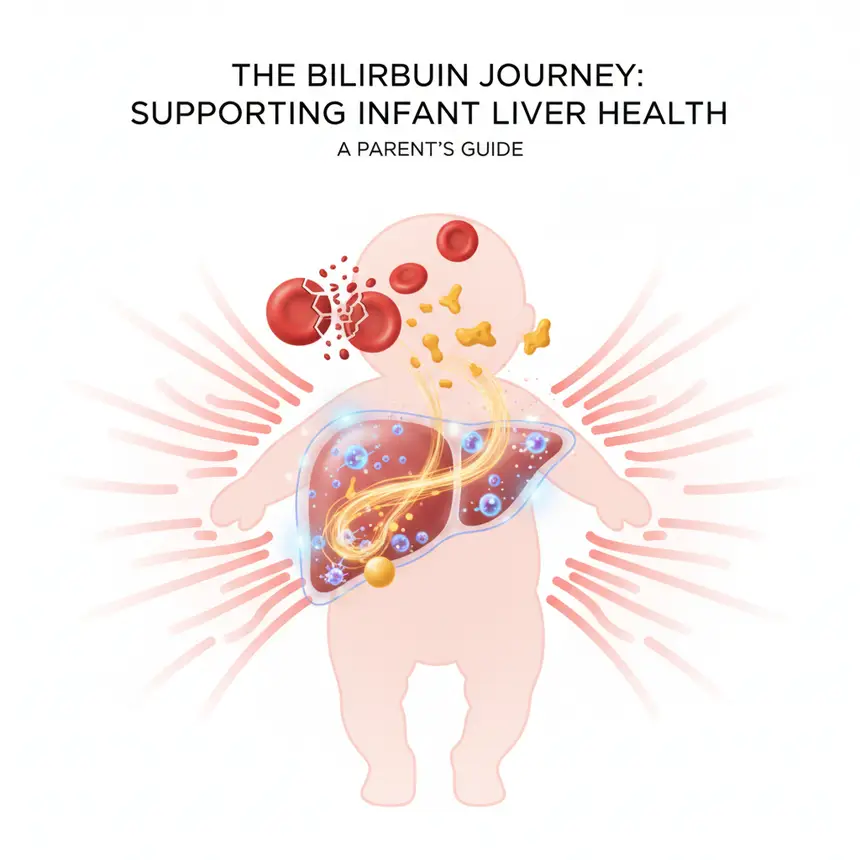
Newborn Jaundice: What Changes to Expect in Your Infant
Newborn jaundice arises from a temporary increase in 'bilirubin,' a yellow pigment produced when red blood cells break down in a baby's body. Unlike adults, newborns often have an immature liver that struggles to efficiently process and excrete this bilirubin. When bilirubin levels rise, it causes the baby's skin and the whites of their eyes to appear yellow. Jaundice typically begins on the baby's face, and if bilirubin levels continue to climb, it can gradually spread downwards to the chest, abdomen, and even the legs. A simple way to observe this at home is by gently pressing on your baby's skin; if a yellowish hue remains after you release, it might indicate jaundice. Furthermore, 'breast milk jaundice' is a common form often seen in breastfed infants. It usually starts around 5-7 days after birth and can persist for several weeks. Generally, if your baby is otherwise healthy, breast milk jaundice typically improves on its own over time, and there's usually no need to discontinue breastfeeding.
※ This post contains affiliate links. I may earn a commission at no extra cost to you.

A Smart Parent's Essential Checklist: The Importance of Jaundice Observation
While most cases of newborn jaundice are temporary and resolve spontaneously, some situations warrant careful attention. If your baby's jaundice appears very early (within 24 hours of birth), spreads rapidly across their body beyond the face, or if your baby seems unusually lethargic, isn't feeding well, or shows other signs of reduced vitality, it's crucial to consult a healthcare professional immediately. While observing skin color changes at home can be helpful, it serves primarily as a reference. An accurate diagnosis and appropriate guidance can only be provided through professional medical evaluation, including blood tests. Diligently monitoring your baby's skin color and not hesitating to consult your healthcare provider if you have any concerns is the smartest way to safeguard your child's health during this initial period.
Frequently Asked Questions
Q. How common is newborn jaundice?
A. Newborn jaundice is very common, affecting approximately 60-70% of newborns. It's even more prevalent in premature infants.
Q. Can breastfeeding make a baby's jaundice worse?
A. 'Breast milk jaundice' is a common form seen in breastfed babies. However, it typically doesn't pose a health risk to the baby and usually resolves naturally, so there's generally no need to stop breastfeeding unless advised otherwise by a doctor.
Q. I've heard jaundice starts on the face and moves down the body. Why does this happen?
A. As bilirubin levels increase, the pigment spreads through the bloodstream, affecting skin color. Due to blood circulation patterns and skin characteristics, it usually becomes noticeable on the face first. If levels continue to rise, it progresses downwards to the chest, abdomen, and eventually the legs.
Q. Are there any simple ways to check for jaundice at home?
A. You can gently press on your baby's skin with your finger; if a yellowish tint remains after you lift your finger, it might indicate jaundice. However, this is only a reference. An accurate diagnosis must be made by a healthcare professional.
Q. When should I take my baby to the doctor for jaundice?
A. You should seek medical attention immediately if jaundice appears within 24 hours of birth, if it seems to be worsening rapidly and spreading beyond the face, or if your baby is lethargic, not feeding well, or shows other signs of being unwell.