Worried about your elementary schooler's short attention span? Discover effective habits and educational approaches to enhance your child's concentration. Consistent practice can significantly improve their learning abilities and patience.
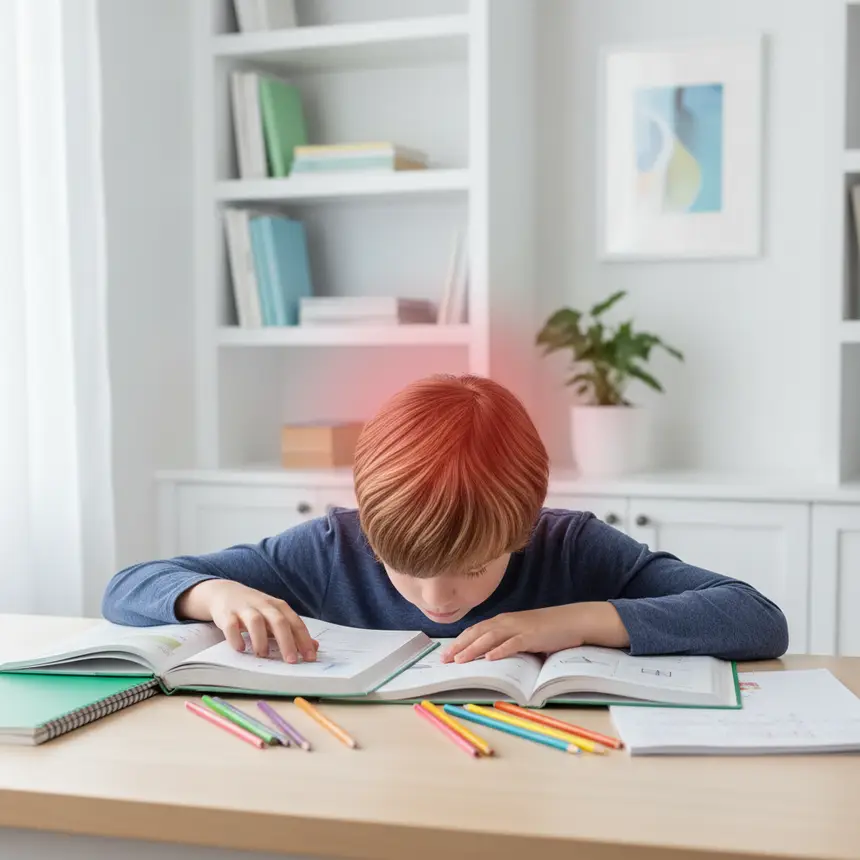
Why Can't My Child Just Pay Attention?
It’s a common scene for many parents: a child daydreaming in class, struggling to start homework, or quickly losing interest in tasks. Elementary school is a crucial period for academic growth and social development, making concentration a cornerstone skill. If your child frequently jumps between activities, needs instructions repeated multiple times, or is easily sidetracked by minor distractions, they might be experiencing focus issues. These behaviors can not only hinder their learning progress but also chip away at their self-confidence. Instead of labeling your child as simply 'distracted,' it's vital to explore ways that can positively impact their development. The first step is for parents to objectively observe when and in what situations their child struggles to maintain attention. Understanding these patterns is key to finding effective support strategies.

Solutions to Sharpen Your Child's Brain and Focus
Improving concentration in elementary school children often boils down to simple, yet impactful, daily adjustments. First, ensure your child gets enough sleep, as it's crucial for brain development. Consistent bedtimes and wake-up calls can significantly enhance sleep quality. Second, a balanced diet rich in brain-boosting nutrients, like Omega-3s found in fish and nuts, along with plenty of fresh fruits and vegetables, supports sustained focus. Third, regular physical activity helps increase oxygen flow to the brain, heightening alertness and releasing excess energy that might otherwise interfere with concentration. Aim for at least 30 minutes of energetic play daily. Finally, one of the most powerful strategies is providing 'flow-inducing' activities. Hands-on creative projects, for instance, are excellent for building focus as they require sequential steps and fine motor coordination. Activities such as building intricate models, knitting, papercrafts, or even detailed drawing demand patience and meticulous attention to detail, simultaneously nurturing perseverance and concentration. Completing such tasks gives children a strong sense of accomplishment, motivating them for future challenges. It's essential for parents to offer encouragement and respect the child's process of problem-solving. Designate a distraction-free 'focus time,' even if just 20 minutes a day, where your child can deeply immerse themselves in an activity.
※ This post contains affiliate links. I may earn a commission at no extra cost to you.

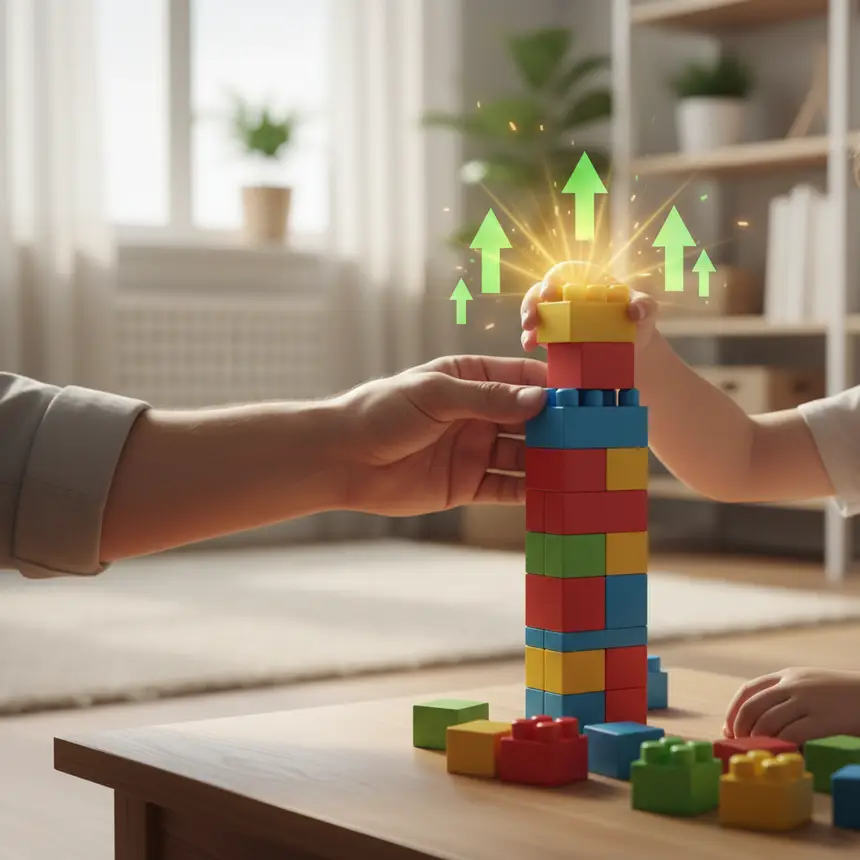
Small Daily Changes, Big Future Impact
Enhancing your child's concentration is more akin to a marathon than a sprint; consistent, patient effort yields the best results. First, help your child discover activities that genuinely spark their interest. Not all kids are drawn to the same things, so encourage a variety of experiences to help them find their unique areas of deep engagement. Second, offer genuine praise and encouragement for their efforts, regardless of the outcome. Instead of saying 'That's perfect!', try 'I really admire how hard you worked on that!'—focusing on the process builds confidence and self-efficacy. Third, maintain consistent routines. Clearly delineate times for schoolwork, play, and rest, and be mindful of screen time limits. Lastly, be a role model yourself. When children see their parents engrossed in reading or dedicated to a task, they naturally learn the value of focus. By regularly engaging in hands-on and mentally stimulating activities together, children will not only boost their concentration but also develop patience and problem-solving skills. Remember, patience is key; allow your child to progress at their own pace.
Frequently Asked Questions
Q. How can I tell if my child has a concentration problem?
A. If your child consistently struggles to focus on one activity for more than 10 minutes, needs instructions repeated frequently, or is easily distracted by their surroundings, these could be signs of concentration challenges for elementary students.
Q. What are some easy activities to improve focus in elementary school children?
A. Activities that involve hand-eye coordination and sequential steps, such as drawing, origami, building blocks, puzzles, board games, or simple cooking projects, are excellent for developing focus.
Q. How long should an elementary child be able to focus on a single task?
A. While it varies by age, generally, an elementary student might be expected to focus for about 2-5 minutes per year of age, so 20-30 minutes for an older elementary child is a good benchmark. The quality of engagement is more important than just the duration.
Q. Does screen time affect a child's concentration?
A. Excessive screen time can impact the brain's reward system, making children accustomed to immediate gratification. This can hinder their ability to sustain focus on less stimulating, long-term tasks. Limiting screen exposure is advisable.
Q. When should I seek professional help for my child's concentration issues?
A. If concentration difficulties are severely impacting your child's school performance, social interactions, or if you have concerns about other developmental aspects, it's recommended to consult a professional, such as a child psychologist or developmental specialist.