Worried about your child's development? This guide offers practical ways for parents to observe their child's growth journey and seek support. Learn how to confidently understand your child's unique developmental path.

Is My Child Developing Normally? A Common Parental Concern
Every parent cherishes the incredible journey of raising a child, yet this path often comes with a myriad of questions and anxieties. A recurring thought that weighs on many parents' minds is, 'Is my child's early development on track?' When your little one seems a bit behind their peers in speaking, struggles with social interactions, or exhibits unusual behaviors, worries can deepen. While it's tempting to tell ourselves, 'They're still young, they'll catch up,' or 'Let's just wait and see,' the underlying fear of missing a crucial developmental window can be persistent. Yet, rushing to a specialist might feel premature if there isn't a clear issue, leading to hesitation. Amidst this vague apprehension, parents often yearn for accessible ways to understand their child's growth and provide appropriate support when needed. We understand the daunting feeling of wanting to pinpoint your child's developmental stage but not knowing where or how to begin.

Why Observing Child Development Can Be So Challenging
It's a given that every child grows at their own pace and possesses a unique temperament. Some children might start talking early, while others master walking first. This inherent diversity can make it difficult for parents to establish a clear benchmark for developmental milestones. Comparisons like, 'My friend's child is already doing that, why isn't mine?' are natural but can amplify parental anxiety. Furthermore, objectively observing and interpreting every action your child takes in daily life is far from simple. Parents might sometimes dismiss minor changes as 'just a phase' or, conversely, over-interpret a small behavior. Development is a complex tapestry woven from various domains—language, cognition, social skills, and physical movement—making it hard to assess a child's overall developmental status based on just one or two aspects. This complexity often leads parents to overlook important developmental cues or struggle to determine when professional guidance might be necessary.
※ This post contains affiliate links. I may earn a commission at no extra cost to you.


Holistic Strategies to Support Healthy Child Development
To foster healthy early childhood development, it’s crucial to go beyond simply identifying potential issues and instead adopt a comprehensive approach. Development isn't an isolated process in one specific area; it's most effectively promoted when nutrition, physical activity, stable routines, and positive parent-child interactions work in harmony.
- Balanced Nutrition: Ensure your child receives all the essential nutrients vital for brain and physical growth. Providing a diverse diet rich in vegetables, fruits, and proteins is key to fueling their developmental energy.
- Active Physical Play: Regular outdoor and indoor play helps develop both gross and fine motor skills, enhancing coordination and balance. Playing actively also helps relieve stress and positively impacts social development through peer interaction.
- Consistent Daily Routines: A predictable daily schedule provides children with a sense of emotional security. Consistent sleep times, mealtimes, and playtimes significantly support a child's self-regulation abilities and cognitive development.
- Nurturing Learning Environment: Responsive interaction and language stimulation are fundamental to language acquisition. Read books together, engage in conversations, respond to their questions, and create an environment that encourages curiosity. Providing opportunities for natural learning and exploration through play is essential.
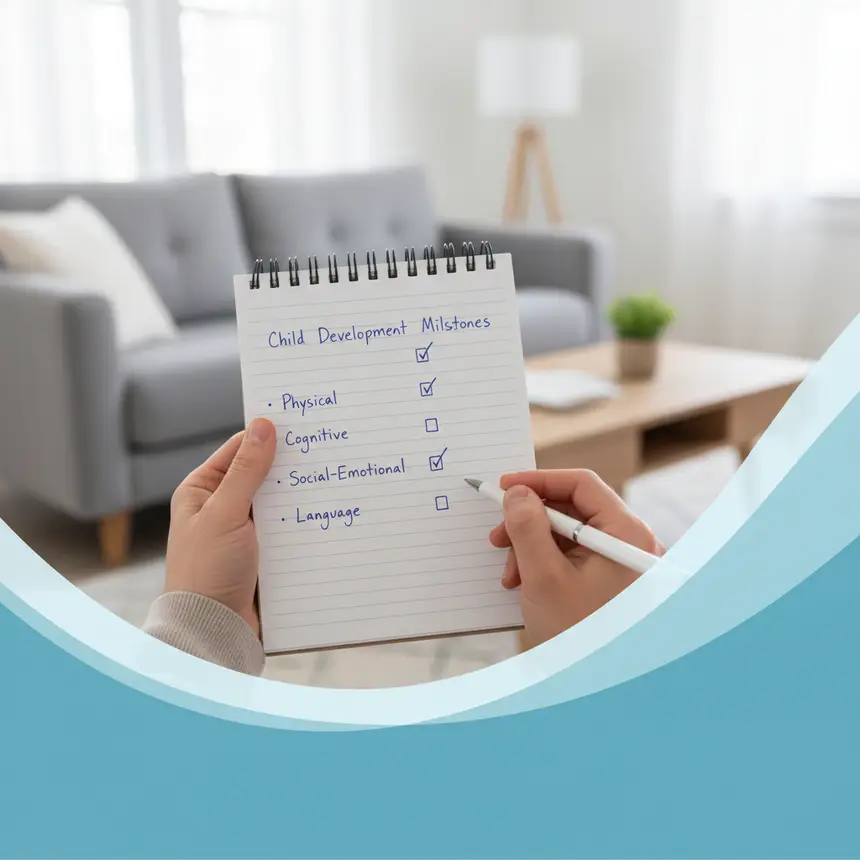
Easing Parental Anxiety: Practical Steps for Everyday Developmental Monitoring
If you're seeking to alleviate the vague anxieties surrounding your child's development, it's essential to consistently observe and document their growth journey in your daily life.
- Regular Observation and Recording: Make it a habit to continuously watch and jot down notes on changes in various areas, such as your child's language expression, physical movements, social interactions, and emotional responses. Using a simple journal or an app can be a great way to do this.
- Utilize Objective Developmental Checklists: Referencing widely recognized developmental checklists or online tools can help you objectively gauge your child's current developmental stage. This can transform vague worries into concrete, actionable information.
- Maintain Open Communication with Professionals: If your concerns or questions about your child's development persist, do not hesitate to consult with a pediatrician or developmental specialist. Regular well-child check-ups are crucial for monitoring your child's growth with a professional and seeking their advice.
- Prioritize Parental Well-being: While observing your child's development is important, managing your own stress and anxiety during this process is equally vital. Instead of shouldering concerns alone, openly discuss and share information with your partner, family, or friends to gain emotional support.
Frequently Asked Questions
Q. When should I start closely observing my child's development?
A. Child development begins at birth. The first three years, in particular, are a critical period for explosive brain development, so it's beneficial to consistently pay attention to and observe your child's changes from this time onward. Regular well-child visits with a pediatrician are also very important for professional monitoring.
Q. Is it helpful to compare my child to others?
A. Every child has their own unique developmental pace and personality. Instead of comparing your child to others, it's more beneficial to understand and respect their individual growth journey by comparing their current progress to their past self. While objective developmental milestones can serve as a reference, always acknowledge your child's unique developmental rhythm.
Q. Should I go to the doctor immediately if I notice developmental delays?
A. If you have ongoing concerns about your child's development, it's always best to consult with a pediatrician or a developmental specialist without hesitation. Even seemingly minor changes, when identified early by a professional, can significantly support your child's healthy growth. Using simple at-home developmental checklists before seeking professional advice can also be a helpful first step.
Q. How can I support my child's development in everyday life?
A. Providing balanced nutrition, ample opportunities for physical activity, and maintaining stable daily routines are fundamental. Additionally, engage in rich interactions by making eye contact during conversations, reading books together, and playing with them. These activities naturally foster language, social, and cognitive development.