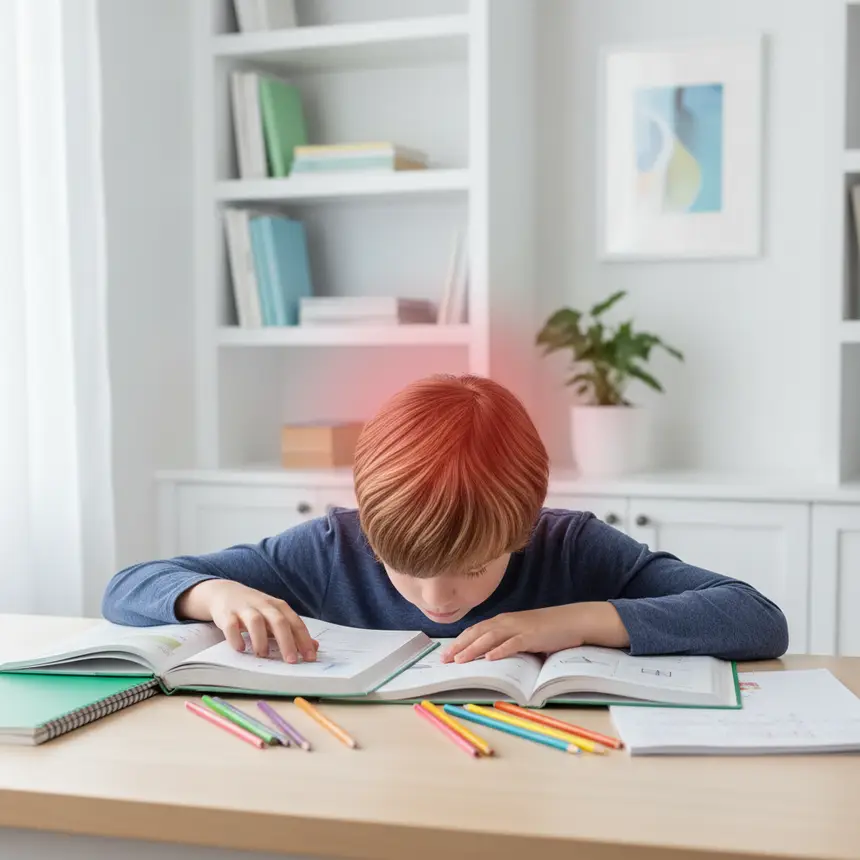
Discover effective strategies to enhance your elementary school child's concentration and patience, crucial skills for learning and problem-solving. This guide offers practical tips for nurturing these essential developmental capacities in everyday life.

Why Does My Child Give Up So Easily? Understanding Focus Challenges in Young Learners
Many parents find themselves concerned when their elementary-aged children struggle to focus on tasks or abandon them quickly. A common scenario involves a child getting easily sidetracked during homework or losing interest while reading. They might rapidly lose enthusiasm for new activities or become frustrated and quit when faced with even minor difficulties. Following multi-step instructions can be challenging, and they often fail to complete what they start. Imagine a boat adrift without a rudder in a vast ocean; similarly, a child lacking developed concentration and patience may struggle to navigate the academic and daily challenges of life, feeling lost and overwhelmed. These behaviors impact not only school performance but also social interactions, emotional regulation, and crucial problem-solving skills. Recognizing these signs is the essential first step towards helping your child build these foundational abilities.

Practical Strategies for Nurturing Concentration and Patience in Elementary Kids
A child's ability to focus and persevere is shaped by various factors, including our modern lifestyle's instant gratification, insufficient physical activity, and nutritional imbalances.
- Engaging Minds Through Immersive Activities: Actively encourage hands-on activities where your child can deeply engage. This includes building intricate models with construction blocks, detailed drawing, crafting with various materials, or even following recipes in cooking. Such tasks demand sustained attention and careful execution, teaching children the value of effort leading to a tangible outcome. Activities like pottery, simple woodworking, or gardening, where results unfold gradually, are particularly effective in cultivating patience.
- Cultivating Consistent Routines and a Supportive Environment: Adequate sleep is fundamental for brain function. Elementary school children typically need 9 to 11 hours of sleep nightly. Establishing consistent bedtimes and wake-up times helps regulate their internal clock. Additionally, create a clean, organized space for focused activities, minimizing visual and auditory distractions. Limiting screen time to designated periods is also critical to prevent overstimulation.
- The Power of Nutrition and Physical Activity: A balanced diet rich in Omega-3 fatty acids (from fish), B vitamins (whole grains), iron (lean meats), and protein supports brain health. Avoid excessive sugar and processed foods. Furthermore, ensure at least 60 minutes of moderate to vigorous physical activity daily. Activities like running, cycling, or playing sports improve blood circulation to the brain, enhancing cognitive functions and reducing restlessness.
- Positive Reinforcement and Teaching Patience: When your child struggles with a large task, break it into smaller, manageable steps. Praise their effort and persistence rather than just the final result. Model patience yourself, explaining why things take time. Provide opportunities for delayed gratification, like saving for a desired toy.
※ This post contains affiliate links. I may earn a commission at no extra cost to you.


Sustaining Focus and Patience: Key Takeaways and Important Considerations
Consistently enhancing your child's concentration and patience requires ongoing effort and thoughtful parental guidance. Here are the key actionable steps:
1. Ensure daily opportunities for immersive, hands-on activities to foster creativity and focus simultaneously.
2. Guarantee sufficient sleep (9-11 hours) for elementary children and maintain a consistent daily routine.
3. Provide brain-healthy nutrition and ensure at least 60 minutes of active physical play daily.
4. Offer sincere praise and encouragement for your child's small efforts to build positive self-efficacy.
Important Considerations: Respecting your child's interests and developmental pace is paramount. Forcing activities or over-scheduling can be counterproductive, leading to stress and fragmented attention. Provide ample free time for unstructured play and exploration, which nurtures autonomy. If, despite consistent efforts, your child's struggles with focus and patience severely impact their daily life or academic progress, consulting an educational specialist or child psychologist for tailored support is a wise step.
1. Ensure daily opportunities for immersive, hands-on activities to foster creativity and focus simultaneously.
2. Guarantee sufficient sleep (9-11 hours) for elementary children and maintain a consistent daily routine.
3. Provide brain-healthy nutrition and ensure at least 60 minutes of active physical play daily.
4. Offer sincere praise and encouragement for your child's small efforts to build positive self-efficacy.
Important Considerations: Respecting your child's interests and developmental pace is paramount. Forcing activities or over-scheduling can be counterproductive, leading to stress and fragmented attention. Provide ample free time for unstructured play and exploration, which nurtures autonomy. If, despite consistent efforts, your child's struggles with focus and patience severely impact their daily life or academic progress, consulting an educational specialist or child psychologist for tailored support is a wise step.
Frequently Asked Questions
Q. How much focused time should I expect from my elementary school child?
A. Generally, elementary school children can focus on an activity they find engaging for about 20-40 minutes. Younger children will have shorter attention spans, so it's important to consider their developmental stage.
Q. How does screen time affect a child's concentration?
A. Excessive screen time can expose the brain to constant, rapid stimulation, potentially reducing a child's patience and concentration for slower-paced, real-world activities. It's best to use educational, interactive content within limited time frames.
Q. What should I do if my child easily gets bored with an activity?
A. If your child gets bored quickly, try breaking the activity into shorter segments or introducing new variations to maintain interest. Praise them for achieving small goals to build a sense of accomplishment. Offering choices also boosts their engagement and ownership.
Q. Are there specific games that can improve concentration?
A. Puzzles, board games, building blocks (like LEGOs), drawing, and origami are effective as they require hand-eye coordination and following rules. Setting rules and goals together during play can also enhance focus.
Q. What type of praise is most effective for building patience?
A. Praising the effort and process, rather than just the outcome, is crucial. Statements like, "I'm so proud you kept trying even when it was hard!" or "You really focused on that for a long time!" emphasize perseverance and contribute significantly to developing patience.