Is your baby's skin turning yellow? Learn about newborn jaundice, understanding normal developmental changes vs. concerning signs, and smart ways parents can respond to support their baby's health.

H2. Is Your Newborn's Skin Looking a Little Yellow?
As new parents, every little change in your precious baby captures your full attention. When your newborn's skin starts to take on a yellowish tint, a common condition known as neonatal jaundice, it's natural to feel a pang of worry or wonder if something is wrong. Many parents experience this, noticing their baby's face or body appear slightly jaundiced. The initial sight can be unsettling, but in most cases, newborn jaundice is a temporary and harmless part of their early development. The key is to distinguish between normal physiological changes and signs that might require closer medical attention. Let's explore what causes this common condition, how long it typically lasts, and how you can wisely manage your concerns as a parent.
H2. What Causes Newborn Jaundice and When Should You Be Concerned?
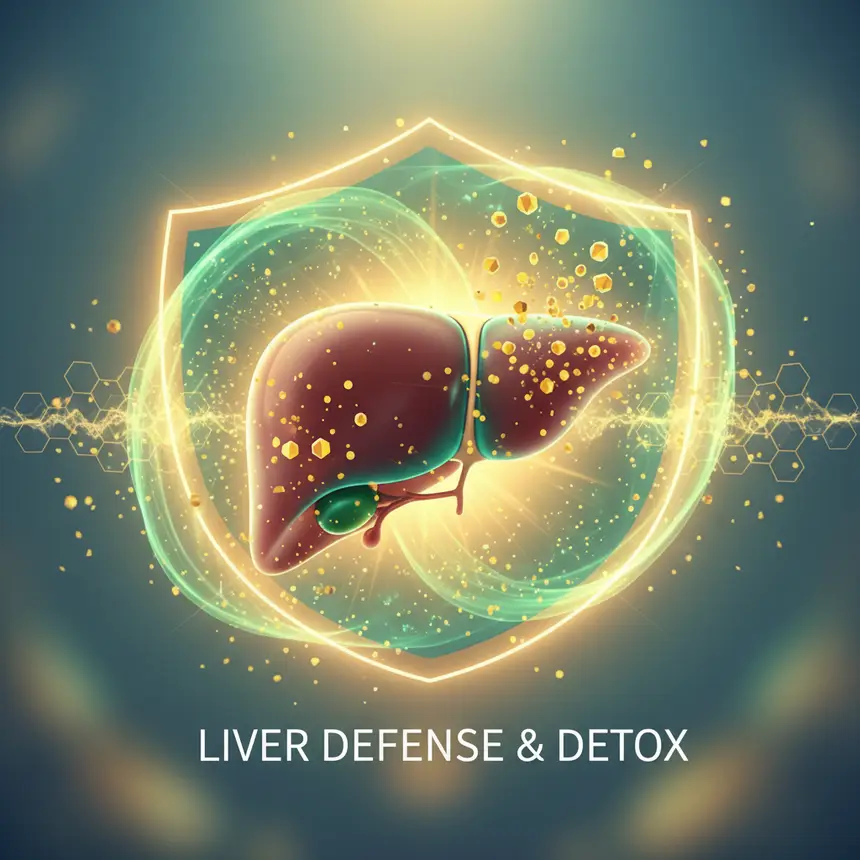
Newborn jaundice occurs when there's an excess of bilirubin, a yellow pigment, in the baby's blood. This happens because a newborn's liver isn't fully mature yet, making it less efficient at processing and eliminating bilirubin from the body. This is a very common physiological phenomenon. Typically, jaundice appears around 2-3 days after birth, peaks around days 4-5, and then gradually fades over 1-2 weeks.
When observing your baby's skin color for jaundice, consider the following:
Some infants may experience 'breast milk jaundice,' which is related to certain substances in breast milk. This type of jaundice typically begins around days 4-7 and can persist for an extended period, sometimes up to 2-4 weeks. If your baby is feeding well, gaining weight, and otherwise active, breast milk jaundice is generally not a cause for alarm.
So, when is it important to seek professional medical advice? Pay close attention to these indicators:
If you observe any of these symptoms, it's crucial to contact your pediatrician promptly for an accurate diagnosis and appropriate guidance. Your attentive observation and quick action are vital for your baby's well-being.
When observing your baby's skin color for jaundice, consider the following:
- Progression of Yellowing: Jaundice usually starts on the face, then spreads downwards to the chest, abdomen, and finally the limbs. If the yellowing is confined to the face, it's often less concerning.
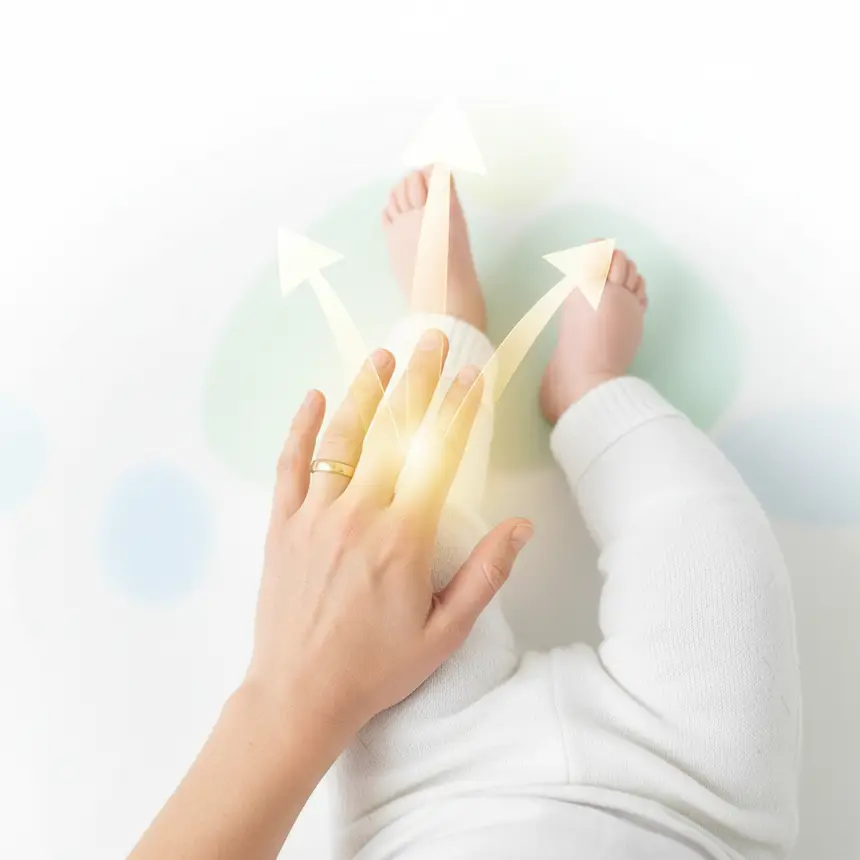
- How to Check Skin Color: Gently press on your baby's skin with your finger and then release. This temporarily pushes blood out of the capillaries, making the underlying skin color—and any yellow tint from bilirubin—more apparent.
Some infants may experience 'breast milk jaundice,' which is related to certain substances in breast milk. This type of jaundice typically begins around days 4-7 and can persist for an extended period, sometimes up to 2-4 weeks. If your baby is feeding well, gaining weight, and otherwise active, breast milk jaundice is generally not a cause for alarm.
So, when is it important to seek professional medical advice? Pay close attention to these indicators:
- Bilirubin Levels (for reference only): Levels below 5 mg/dL are generally considered normal. Levels between 10-15 mg/dL warrant careful observation. If bilirubin levels exceed 15 mg/dL, further medical evaluation is typically considered, and above 20 mg/dL, interventions like phototherapy may be necessary. These are general guidelines, and an infant's specific situation may vary, so always consult a healthcare professional for accurate assessment.
- Immediate Pediatric Consultation is Advised if:
- Jaundice appears within the first 24 hours after birth.
- The yellowing spreads to your baby's legs or feet.
- Jaundice persists for more than 2 weeks (or 3 weeks for premature infants).
- Your baby is feeding less than usual or seems unusually sleepy and difficult to wake.
- Your baby's urine is dark or stools are pale.
If you observe any of these symptoms, it's crucial to contact your pediatrician promptly for an accurate diagnosis and appropriate guidance. Your attentive observation and quick action are vital for your baby's well-being.
※ This post contains affiliate links. I may earn a commission at no extra cost to you.

H2. Smart Parental Observation and Action for Your Baby's Health
For the majority of newborns, jaundice resolves naturally as they grow. However, a parent's keen observation and appropriate actions play a significant role in safeguarding their baby's health. Here are concrete steps you can take if you suspect jaundice:
Newborn jaundice can be a source of parental anxiety, but with accurate information and a calm approach, you can support your baby's healthy development. Remember, if you have any questions or concerns, seeking professional medical advice is always the safest and wisest course of action.
- Ensure Adequate Feeding: Frequent feeding, whether breast milk or formula, helps stimulate your baby's bowel movements, which in turn aids in the excretion of bilirubin. Monitor if your baby is feeding well and producing enough wet and soiled diapers.
- Avoid Direct Sunlight: While some older advice suggested sunlight exposure, direct sun can be harmful to a newborn's delicate skin and is not recommended as a management strategy for jaundice.
- Regular Monitoring: Periodically check and record the extent of the jaundice (e.g., face, chest, abdomen, legs) and how long it has lasted. This information can be invaluable when discussing your concerns with a healthcare provider.
- Assess Overall Well-being: Beyond just skin color, it's important to observe your baby's general health. Is your baby feeding well, sleeping appropriately, and active? Is there any lethargy or excessive fussiness? A baby's overall demeanor is a crucial indicator alongside skin color.
Newborn jaundice can be a source of parental anxiety, but with accurate information and a calm approach, you can support your baby's healthy development. Remember, if you have any questions or concerns, seeking professional medical advice is always the safest and wisest course of action.
Frequently Asked Questions
Q. Why do newborns get jaundice?
A. Newborns often develop jaundice because their liver is still immature and not fully capable of efficiently processing and eliminating bilirubin, a yellow pigment, from the body. This causes the skin and whites of the eyes to appear yellow, but it's typically a normal physiological process that resolves on its own.
Q. How long does newborn jaundice usually last?
A. Jaundice typically appears around 2-3 days after birth, intensifies around days 4-5, and generally fades and disappears within 1-2 weeks. In cases of breast milk jaundice, it might last longer, sometimes up to 2-4 weeks.
Q. My baby is breastfed, and the jaundice seems to be lasting longer. Is this normal?
A. Breast milk jaundice is common in breastfed babies. As long as your baby is feeding well, gaining weight, and otherwise active and alert, it's usually not a concern. However, if bilirubin levels are high or your baby seems lethargic, it's important to consult with a pediatrician.
Q. At what bilirubin level should I take my baby to the doctor for jaundice?
A. Bilirubin levels that warrant medical attention can vary based on the baby's age in hours and weight. However, generally, if levels are above 15 mg/dL, or if jaundice appears within the first 24 hours, spreads to the legs, or lasts longer than 2 weeks, you should definitely seek medical advice from your pediatrician.
Q. Are there any home remedies to help reduce jaundice?
A. The most important thing you can do at home is to ensure your baby receives adequate feeding to promote frequent bowel movements, which helps excrete bilirubin. Avoid unproven home remedies or unverified methods, and always follow the guidance of a healthcare professional.