Toddler tantrums are more than just stubbornness; they're complex expressions of their developing minds. Learn effective strategies for handling toddler tantrums, understanding their temperament, and building a stable home environment for both parent and child.

The "Just Five More Minutes" Loop: A Parent's Daily Dilemma
It's a common scene in many households: your child is completely absorbed in their play, building an elaborate fort or immersing themselves in an imaginary world. As the designated play-time ends and it's time for the next activity – perhaps dinner or bedtime – the familiar plea of "just five more minutes!" echoes through the house. What starts as a simple request can quickly escalate into a stubborn refusal, leaving parents feeling drained, frustrated, and often questioning their parenting choices. Many wonder, "Why does my child only act this way at home?" or "Am I doing something wrong?" This persistent cycle of demands and resistance is more than just a behavioral challenge; it's a significant emotional hurdle for both children and caregivers, making many feel isolated and unsure of how to proceed.

Understanding Tantrums: Temperament, Not Misbehavior
It's easy to mistakenly label a child's persistent resistance as 'bad behavior' or attribute it to 'spoiling.' However, these intense moments of defiance often stem from a child's natural temperament and developmental stage. Children who are highly engaged and persistent, sometimes described as 'stimulation-seeking with high endurance,' tend to immerse themselves deeply in activities they enjoy. For these children, transitioning away from a beloved play session can be particularly challenging, leading to strong expressions of frustration and a desire to continue. When parents occasionally give in and extend playtime, it inadvertently teaches the child that persistent demands might yield a desired outcome. This creates an expectation: "If I push hard enough, maybe I'll get more time today." This expectation can then fuel a cycle of escalating demands, making the child's refusal to stop an activity more intense over time. Recognizing this as a temperamental trait rather than deliberate defiance is the first step toward effective management.
※ This post contains affiliate links. I may earn a commission at no extra cost to you.


Effective Communication: Empathy Meets Clear Limits
The cornerstone of managing a child's stubborn tantrums lies in a combination of empathy and clear, consistent boundaries. Begin by acknowledging your child's feelings. You might say, "I know you're having so much fun with your blocks, and it's hard to stop." This validates their emotions and shows them you understand. However, after acknowledging their feelings, it's crucial to state the boundary firmly and concisely: "And now it's time for dinner," or "It's time to get ready for bed." Avoid lengthy explanations or engaging in a debate, as young children often can't process complex reasoning, and prolonged discussion can inadvertently signal that the boundary is negotiable. The key is to respond to their emotions while not being drawn into their defiant behavior. Sometimes, calmly proceeding with the next step, even amidst their protest, can be more effective. This consistent approach sends a powerful message that "this rule is not changing," which is vital for their understanding and emotional development.
Practical Strategies for Fostering Predictability and Cooperation
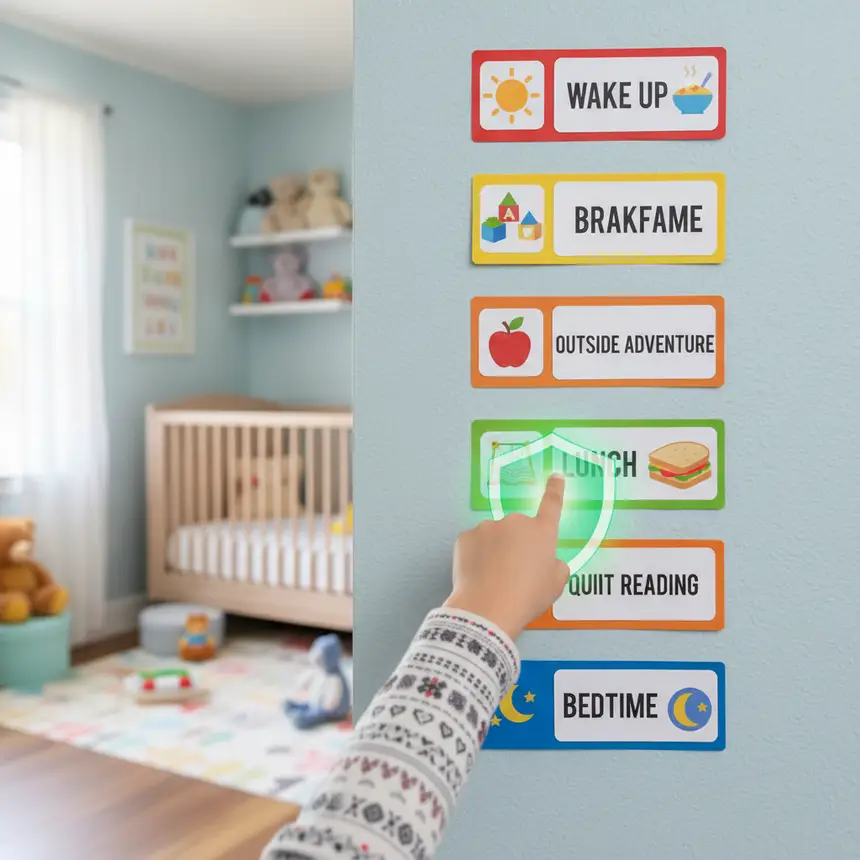
Creating a predictable environment is one of the most powerful tools for reducing tantrums and fostering cooperation in children. When children know what to expect, they feel secure and are better prepared for transitions. Here are some actionable strategies you can implement at home: First, establish a consistent daily routine. A visual schedule, using pictures or simple drawings, can be incredibly helpful for your child to understand the flow of their day, from morning to bedtime. Second, provide clear pre-warnings before a transition. For example, say "Five more minutes until we clean up the toys," or "When the big hand on the clock reaches the top, it's time for our story." Third, introduce short, gentle transition activities. Instead of an abrupt stop, sing a clean-up song or suggest a quick 'goodbye' to their toys. The 'amount' of playtime is often less important than the child's ability to predict 'when' it will end. Consistency in these practices helps build a sense of security and reduces resistance.

Your Steady Presence: The Foundation of Your Child's Security
Parenting can be a journey filled with moments of self-doubt and frustration, especially when faced with persistent tantrums. It's easy to question whether you're 'good enough' or if you 'should have done more.' These feelings are entirely normal, and it's important to remember that most parents are doing far better than they realize. What children truly need is not a parent who gives in to every demand, but one who provides stable, predictable boundaries. When parents maintain a consistent approach, children learn that their world is orderly and predictable, which fosters a profound sense of psychological security. This security is the essential foundation upon which they build self-regulation skills and problem-solving abilities. Instead of striving for perfection, focus on offering a reliable and consistent presence that your child can trust. Take these insights and adapt them to your unique child's temperament. You are doing a wonderful job.
Frequently Asked Questions
Q. Why do my child's tantrums seem worse at home than in public?
A. Children often feel safest and most comfortable expressing their full range of emotions in their familiar home environment. In public, they might try to conform to social expectations, but at home, they relax and feel secure enough to show their true struggles to their parents. This can actually be a sign of trust.
Q. Should I try to reason with my child when they're having a tantrum?
A. Young children have limited capacity for complex reasoning, and long explanations can often be perceived as an opportunity to negotiate. It's more effective to acknowledge their feelings, state the rule briefly and clearly, and then calmly proceed with the next step, maintaining your consistent stance.
Q. Is it really effective to 'ignore' my child's tantrum?
A. 'Ignoring' a tantrum doesn't mean ignoring your child's feelings. It means not giving in to the challenging behavior itself. Acknowledge their emotions and offer comfort, but by not allowing their stubborn actions to change the rule, you teach them that certain boundaries are non-negotiable, which can be very effective in the long run.
Q. Will giving my child more playtime help reduce their resistance to ending activities?
A. The 'quantity' of playtime is often less important than the child's ability to predict 'when' it will end. If your child has a highly engaged temperament, they might struggle with transitions regardless of how long they played. Consistent ending signals and smooth transitions to the next activity are usually more helpful in reducing resistance.