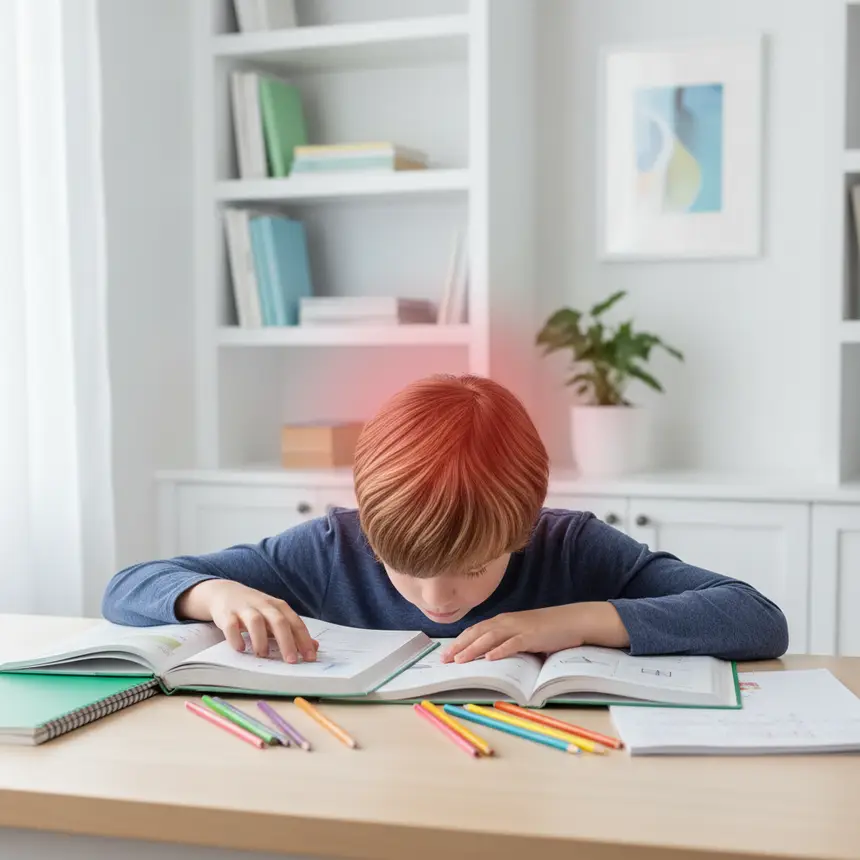
Struggling with your child's aggressive or restless behavior? Discover practical parenting strategies to foster healthy emotional regulation in toddlers, helping them understand their feelings and build positive behavioral patterns.

The Puzzle of Child Behavior: A Parent's Deep Concern
"Mine!" shouts your little one, pushing a playmate. Or maybe your toddler can't sit still for a second, bouncing off the walls, or melts down into a puddle of tears when things don't go their way. Many parents find themselves deep in thought, wondering how to handle their child's aggressive outbursts or constant restlessness. These actions can be frustrating, making us feel like we're dealing with "problem behavior." But what if these moments are actually natural parts of your child's growth, especially when they're still learning to manage their feelings? Kids are constantly learning how to interact with the world, experiencing and expressing a huge range of emotions. This process is how they develop their ability to regulate their emotions. Sometimes, their ways of expressing themselves might seem a bit clumsy or overwhelming, leaving parents feeling flustered. By looking beyond the surface-level behavior and understanding the underlying emotional development of your young child, you can take the first step towards supporting their healthy growth.

Decoding Early Emotions: Understanding the Roots of Behavior
A young child's emotional landscape can feel like a wild ocean – full of big waves of joy, sadness, anger, frustration, and anxiety, all crashing at once. The catch is, they haven't yet learned how to navigate these powerful feelings. This is where emotional regulation comes in. It's not about stifling emotions, but about recognizing what you're feeling, expressing it appropriately, and even understanding and empathizing with others' emotions. Research consistently shows that when this ability to manage emotions is still developing, children might display more aggressive behavior, impulsiveness, or restlessness. For instance, studies suggest that kids with developing emotional control tend to show more negative emotions than their peers and are more likely to act out frustration or anger through aggressive actions. A major factor in how a child learns emotional regulation is their interaction with their primary caregivers. A secure and loving attachment creates a safe space for children to explore and express their feelings. When parents are sensitive to their child's emotions and respond with empathy, children learn that their feelings are valid. This, in turn, helps them gradually learn to manage their emotions on their own. Simply put, a warm, consistent parenting approach is the crucial ingredient for your child to build strong emotional regulation skills.
※ This post contains affiliate links. I may earn a commission at no extra cost to you.


Playful Pathways to Emotional Intelligence: Strategies for Healthy Expression
One of the most effective ways to help your child develop emotional regulation is through play and everyday conversations. Play acts as a safe laboratory where kids can experiment with and express their feelings. Here are some hands-on activities that can help young children manage their emotions, reduce restlessness, and temper aggressive tendencies.
1. Movement for Emotional Release: Help your child discharge pent-up energy and express feelings physically. Activities like crumpling, tearing, or throwing soft objects (like newspaper or fabric scraps) can be a great way to safely release negative emotions. Afterward, you can label the crumpled paper "mad paper" and put it in a box, teaching them to externalize and process their feelings.
2. Emotion Charades or Mirror Play: Use cards with different facial expressions, or simply a mirror, for your child to mimic various emotions. This helps them recognize and name their own feelings. Taking turns imitating each other's expressions can also boost their empathy by understanding how others might feel.
3. "What to Do When I'm Mad" List: Talk with your child about what they can do when play doesn't go their way or they have a disagreement. Brainstorm solutions like "take a deep breath," "take a short break," or "ask for help." Write these down as a visual list to hang up. Encourage them to refer to it when feeling overwhelmed, guiding them toward healthy problem-solving instead of impulsive aggression.
4. Praise and Encouragement for Effort: When your child successfully manages their emotions, offer specific praise. Instead of a general "Good job," say, "You were really frustrated but you used your words to tell your friend, that was amazing!" Sincere praise builds their confidence in their ability to regulate their emotions.
1. Movement for Emotional Release: Help your child discharge pent-up energy and express feelings physically. Activities like crumpling, tearing, or throwing soft objects (like newspaper or fabric scraps) can be a great way to safely release negative emotions. Afterward, you can label the crumpled paper "mad paper" and put it in a box, teaching them to externalize and process their feelings.
2. Emotion Charades or Mirror Play: Use cards with different facial expressions, or simply a mirror, for your child to mimic various emotions. This helps them recognize and name their own feelings. Taking turns imitating each other's expressions can also boost their empathy by understanding how others might feel.
3. "What to Do When I'm Mad" List: Talk with your child about what they can do when play doesn't go their way or they have a disagreement. Brainstorm solutions like "take a deep breath," "take a short break," or "ask for help." Write these down as a visual list to hang up. Encourage them to refer to it when feeling overwhelmed, guiding them toward healthy problem-solving instead of impulsive aggression.
4. Praise and Encouragement for Effort: When your child successfully manages their emotions, offer specific praise. Instead of a general "Good job," say, "You were really frustrated but you used your words to tell your friend, that was amazing!" Sincere praise builds their confidence in their ability to regulate their emotions.

The Journey to Resilience: Empowering Your Child's Emotional Well-being
A child's ability to regulate emotions isn't built overnight; it's a gradual process that develops through consistent practice and continuous parental support. There's no need to despair if your child's aggressive behaviors or restlessness don't vanish immediately. What truly matters is the journey: helping your child recognize their feelings, express them healthily, and gradually gain the power to manage them independently. As parents, you are your child's most important emotional coach. When your child is caught in an emotional whirlwind, acknowledge their feelings by saying, "It looks like you're really upset right now," or "It's okay to feel angry, and you can express it like this." Providing clear guidance is crucial. Additionally, make it a habit to talk about emotions often with your child and model healthy emotional responses yourself. This positive modeling can significantly influence their emotional development. This journey sometimes demands a great deal of patience, but the rewards are immeasurable. It leads to a healthy mind and positive interpersonal skills that will benefit your child throughout their life. Celebrate every small step, believe in their efforts and growth.
Frequently Asked Questions
Q. My child seems excessively restless, and I'm worried. What should I do?
A. Restlessness in children can stem from various causes, but it's often linked to developing emotional regulation skills. Provide ample opportunities for physical activity to burn off excess energy. Also, practice short, engaging games that encourage focusing on one task at a time. Minimizing environmental clutter and distractions can also be very helpful.
Q. My child shows aggressive behavior like throwing objects or hitting friends when angry. How should I address this?
A. First, acknowledge their anger, perhaps by saying, "You seem really frustrated," or "I see you're very angry." Then, set clear boundaries ("Hitting friends is not okay") while offering alternatives ("If you feel like throwing something, you can throw this soft cushion instead"). Use role-playing or picture books to teach different ways to express emotions, and consistently praise them when they manage their feelings calmly.
Q. Is the parent's role the most important in developing a child's emotional regulation skills?
A. Yes, parents are a child's first emotional coaches. Being sensitive and empathetic to your child's emotions is paramount. Additionally, positive modeling, where you demonstrate healthy ways of handling your own emotions, profoundly impacts your child. Consistent parenting and a warm, affectionate environment provide the security a child needs to develop strong emotional regulation abilities.