Understand your baby's rolling over and rolling back milestones. Learn effective tummy time strategies and safety tips to support healthy infant motor development and exploration.

When Will Your Little One Master the Roll?
Every parent eagerly anticipates their baby's first major physical milestones, and rolling over is often one of the most exciting. You might find yourself wondering, "When will my baby start rolling?" This significant developmental step, encompassing both rolling from back to belly and vice versa, is more than just movement. It marks the beginning of your baby's independent exploration of their surroundings, driven by developing neck and upper body strength. However, this journey unfolds uniquely for each child. Some babies might demonstrate early mobility, while others require a bit more time to reach this stage. Let's delve into the typical timeline for infant rolling and rolling back, and discover how parents can best support their baby's physical development.
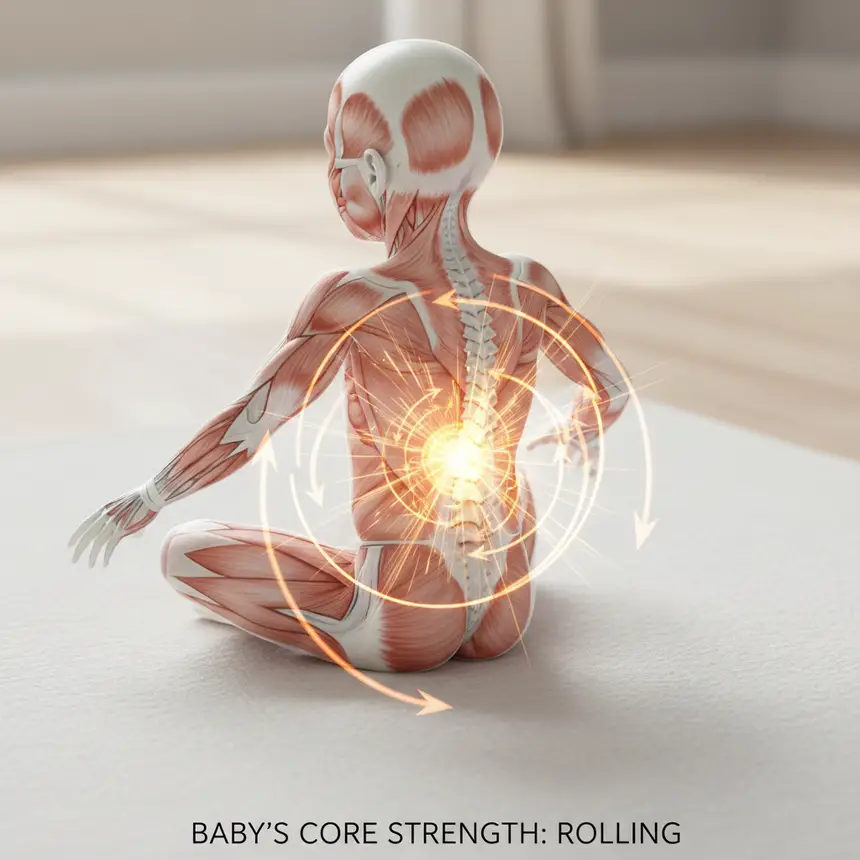
The Mechanics of Rolling: Muscle Coordination and Cognitive Growth
A baby's successful roll isn't just about gaining strength; it's a symphony of coordinated development involving the neck, back, and abdominal muscles.
- The Foundation of Core Muscle Development: Initially, infants have limited head control, but through consistent practice of lifting their heads and chests during supervised play, they gradually strengthen these vital muscle groups. This enhanced upper body strength is crucial as it allows babies to understand their center of gravity and initiate attempts to shift their body weight, leading to the momentous first roll.
- The Role of Physical and Environmental Awareness: Rolling is perfected when muscle development is intertwined with cognitive growth. Babies are inherently curious about their environment and actively explore how their bodies can move. They might reach for a toy, inadvertently shifting their weight, or gently lose balance while on their side, leading to an accidental roll. These repeated attempts and experiences form the basis of intentional rolling actions. This process is a fundamental step in a baby learning to control their body and interact more purposefully with their world.
※ This post contains affiliate links. I may earn a commission at no extra cost to you.


Strategic Approaches to Support Your Baby's Rolling Development
One of the most effective strategies to support your baby's rolling development is consistent tummy time.
- Empowering Upper Body Strength Through Tummy Time: This activity involves placing your baby on their stomach while awake and supervised, which naturally strengthens their neck, shoulder, and back muscles. Begin with short sessions, just 30 seconds to a minute, and gradually increase the duration and frequency to several times a day, eventually aiming for five minutes or more per session. If your baby finds tummy time challenging, try placing them on your chest or rolling a small towel under their chest for support. Engaging them with gentle talk, singing, or eye-catching toys is key to making tummy time a positive and stimulating experience.
- Cultivating an Environment for Active Movement: Providing a safe and stimulating environment is equally important to encourage your baby's independent rolling attempts. Designate a spacious, flat area on the floor, covered with a soft play mat. Arrange engaging toys within reach to motivate your baby to stretch, pivot, and move their body. Gently guiding them onto their side or assisting with a slight push can help them experience the shift in weight distribution necessary for rolling. The core principle is to offer encouragement and praise for even the smallest attempts, fostering their confidence and desire to explore new movements.
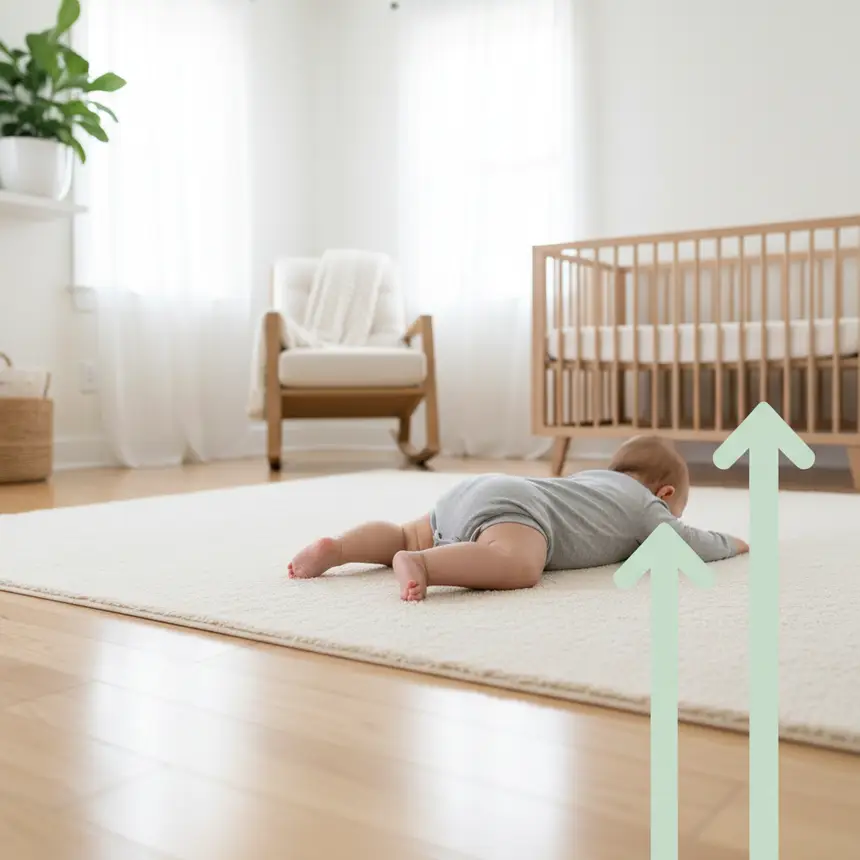
Practical Advice for Safe and Joyful Rolling Practice
The timing for a baby's first roll and rolling back varies widely, typically occurring anywhere from 3-4 months to 7-8 months or even later.
- Embracing Individual Developmental Timelines: It's not uncommon for some babies to skip the rolling stage entirely and move directly to sitting or crawling. This wide range is a normal part of infant development, so there's no need to compare your child to others or feel anxious if they're on a different schedule. If your baby's overall development—including feeding, sleeping, eye contact, and responsiveness to sounds—is progressing well, a delayed rolling milestone is usually not a cause for concern. Remember, every child develops at their own unique pace.
- Essential Safety Measures for Active Infants: Once your baby starts rolling, their mobility and potential for unexpected accidents increase significantly. It is extremely dangerous to leave an infant unattended on elevated surfaces like beds or sofas. Before your baby begins rolling, transition them to sleeping on a firm, flat surface such as a crib or bassinet, and ensure a thick play mat is used for floor time to mitigate fall risks. Regularly check the surrounding area for small objects that could pose a choking hazard or sharp edges. Avoid using plush blankets or soft pillows in the sleeping or play area, as they can obstruct breathing if a baby rolls onto their face. Maintaining a clean and secure environment is paramount for your active baby.

Your Gentle Guidance: Fueling Your Baby's Healthy Movement
Rolling over and rolling back are pivotal milestones in your baby's journey of self-discovery and physical competence. These actions not only build essential muscle strength but also enhance cognitive development, marking the beginning of independent movement. Active support through methods like tummy time and creating a safe, stimulating environment are invaluable in helping your baby navigate these stages successfully. Crucially, understanding and respecting each child's individual developmental pace, without rushing or comparing, is key. Offer consistent encouragement and unwavering attention. By celebrating every small movement and milestone, you foster an environment where your baby can thrive, growing healthier and happier under your loving care and guidance.
Frequently Asked Questions
Q. Is it normal if my baby isn't rolling over yet or rolls later than other babies?
A. Yes, it's completely normal for babies to develop at their own pace. As long as your baby shows progress in other developmental areas like eye contact, responsiveness, feeding, and sleeping, a delayed rolling milestone is usually not a concern. Many babies skip rolling and move directly to sitting or crawling.
Q. When should I start tummy time with my newborn?
A. Tummy time can be introduced as early as 2-3 weeks after birth. Start with very short periods when your baby is awake and in a good mood. Begin by placing them on your chest, then gradually transition to a flat surface, increasing the duration as they get more comfortable.
Q. What if my baby dislikes tummy time?
A. If your baby dislikes tummy time, avoid forcing it. Try shorter, more frequent sessions, or make it more comfortable by placing them on your chest. Engaging them with favorite toys, gentle singing, or talking can help make the experience more enjoyable and stimulating.
Q. What are the most important safety precautions once my baby starts rolling?
A. The primary concern once your baby starts rolling is the risk of falls. Never leave your baby unattended on high surfaces like beds or changing tables. Ensure they are always on a safe, padded floor area with a thick play mat. Regularly check the surroundings for small objects that could be choking hazards or sharp furniture edges.
Q. When can I expect my baby to roll from belly to back?
A. Rolling from belly to back (rolling back) often happens shortly after a baby masters rolling from back to belly. It can start as early as 4 months, but like all milestones, there's significant individual variation. This action further strengthens their neck and core muscles.