A comprehensive guide for parents concerned about dry baby skin. Discover the best practices for selecting effective moisturizers and implementing proper skincare routines to keep your little one's delicate skin hydrated and healthy.
Unlock the secrets to comfortable skin for your child with our expert tips.

The Comforting Smile: How Healthy Skin Makes a Happy Baby
Dry baby skin is a common concern that touches the hearts of many parents. When a baby's delicate skin becomes parched and sensitive, it can lead to uncomfortable itching, increased fussiness, and even disrupted sleep patterns. However, with the right approach to moisturizing and consistent baby skin care, you can help fortify your baby's natural skin barrier. This not only restores comfort and vitality but also contributes significantly to their overall well-being. A healthy skin barrier means less irritation, allowing your baby to explore, learn, and grow without the distraction of skin discomfort, ultimately easing the parenting journey for you.
The Science of Baby Hydration: Understanding Skincare Ingredients and Protection
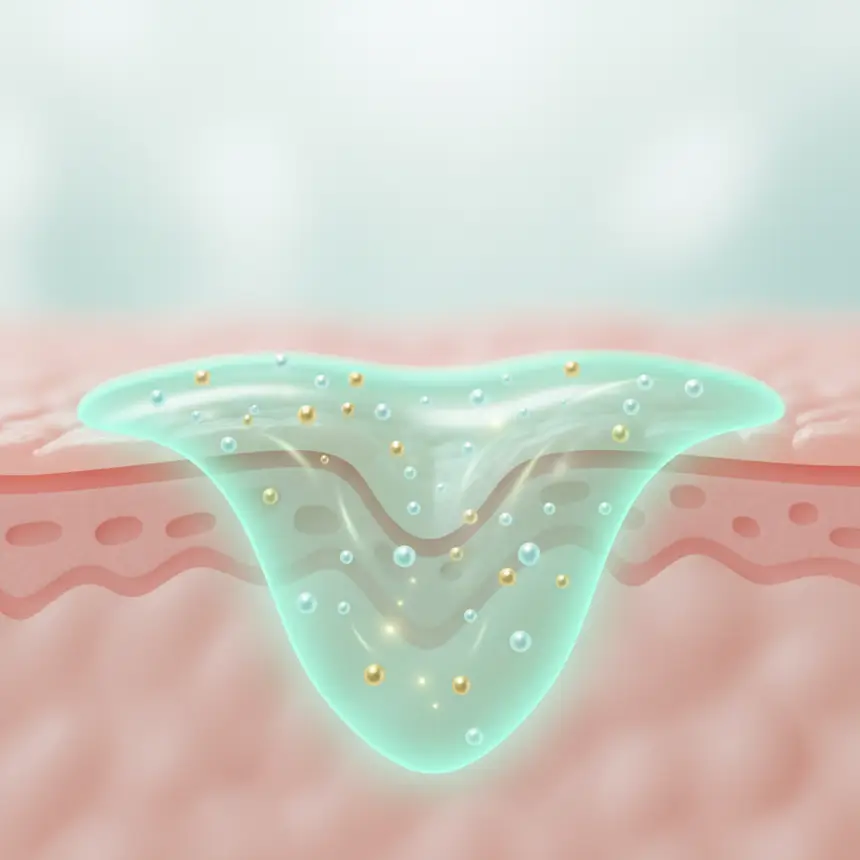
A baby's skin is remarkably different from an adult's, being approximately 30% thinner with underdeveloped oil glands, which leads to quicker moisture loss. This makes it highly responsive to environmental changes, highlighting the importance of carefully chosen moisturizing ingredients to prevent dry baby skin. Effective baby skin care involves using moisturizers that create a barrier akin to the skin's natural protective layer. Ingredients such as plant-derived extracts can offer soothing benefits and hydration, while compounds like fatty acids and ceramides play a crucial role in binding skin cells together, preventing water evaporation, and reinforcing the skin's structural integrity. These elements work synergistically to deliver deep hydration and establish a subtle, protective film, safeguarding your baby’s vulnerable skin from external irritants. When selecting a baby moisturizer, opt for products free from artificial fragrances or dyes, and prioritize those that have undergone dermatological testing for sensitive skin.
※ This post contains affiliate links. I may earn a commission at no extra cost to you.


Daily Moisturizing Rituals: Your Guide to Protecting Baby Skin
Managing dry baby skin effectively hinges on consistent daily practices, paying close attention to both bathing routines and the home environment.
- Bathing Habits: Bathe your baby in lukewarm water for short periods, using a mild, pH-balanced cleanser to maintain their skin's natural balance. Crucially, apply baby moisturizer within three minutes of drying, while the skin is still slightly damp.
- Moisturizer Application: Maximize moisture retention by layering: start with a water-based product like a soothing gel or lotion, followed by a richer, more emollient cream. Pay extra attention to dry areas like elbows and knees, and consider adding a drop of plant-based oil to the cream for deeper hydration. Apply baby moisturizer at least twice daily, morning and evening, for consistent protection.
- Environmental Control: Maintain indoor temperatures between 68-75°F (20-24°C) and humidity levels between 50-60% to combat dry air. Utilize a humidifier and regularly wash bedding and clothing that touch your baby's skin with gentle detergents. Opt for breathable, soft cotton fabrics to minimize skin friction.
Essential Skincare Tips for Your Little One
A baby's skin evolves with age, demanding tailored baby skin care to address its changing characteristics across different developmental stages.
- Newborns and Infants (0-12 months): This period is when baby skin is most vulnerable to external irritants. Issues like heat rash, diaper rash, and dry baby skin are common. Select a 'gentle and fragrance-free' baby moisturizer and consistently follow a multi-step routine (gel-lotion-cream). Be vigilant about maintaining optimal room temperature and humidity, as their skin reacts readily to minor environmental shifts.
- Toddlers (12 months and older): As toddlers become more active, their skin is exposed to more friction and external elements. Dry baby skin remains a concern, so remember to apply baby moisturizer before and after outdoor play. Encourage the habit of applying moisturizer as they grow.
- Persistent Symptoms: If skin issues like redness, severe itching, or oozing don't improve with consistent baby skin care or worsen, consult a pediatric specialist to identify the underlying cause.
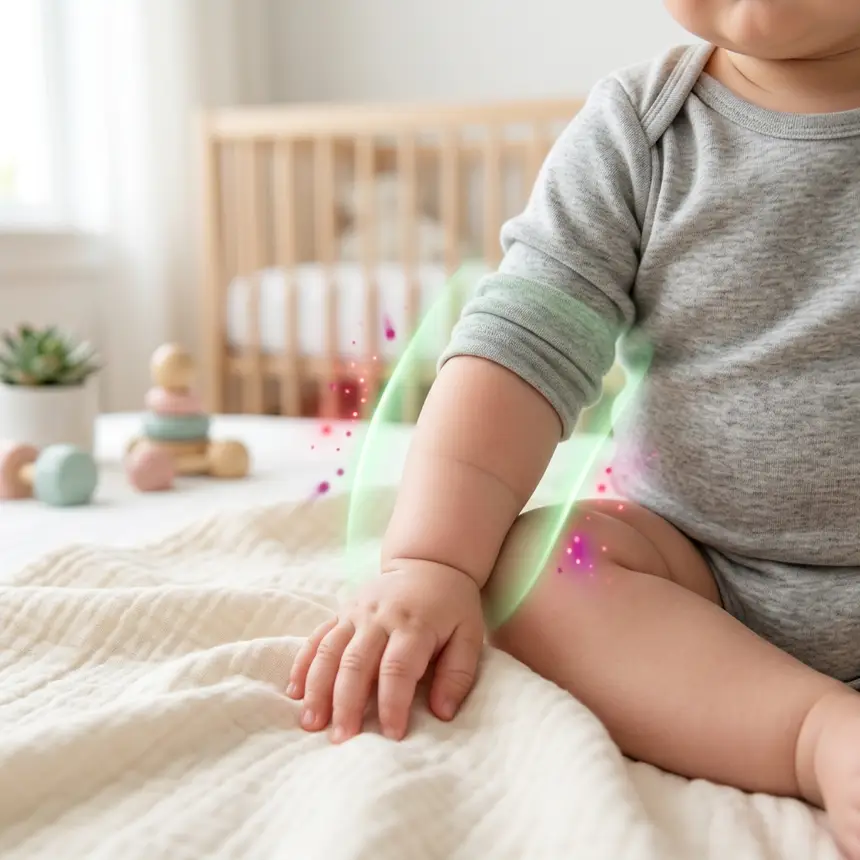
- Product Patch Test: Always look for labels indicating 'hypoallergenic' or 'for sensitive skin.' Before widespread use, perform a patch test on a small area, like the inner arm, to ensure the product is compatible with your baby's skin.
- On-the-Go Hydration: Keep a travel-sized baby moisturizer handy in your diaper bag to reapply as needed throughout the day, especially during outings or in dry environments.
Frequently Asked Questions
Q. Should I bathe my baby every day if their skin is dry?
A. If your baby's skin is significantly dry, it might be better to bathe them every other day or to focus on spot cleaning specific areas rather than a full body wash daily. When you do bathe them, use a mild cleanser and apply plenty of baby moisturizer within three minutes of drying.
Q. How much baby moisturizer should I apply to my baby's skin for it to be effective?
A. Baby skin is thinner and more prone to dryness than adult skin, so don't be shy with moisturizer. Apply a generous amount—enough so the skin feels hydrated and soft, but not sticky, after absorption. For particularly dry areas or during drier seasons, feel free to apply more frequently and in larger quantities.
Q. Is it beneficial to layer different types of baby moisturizers on my baby's skin?
A. Yes, layering different moisturizers, often called the 'layering technique,' can significantly boost hydration. A common approach is to start with lighter, more water-based textures (e.g., soothing gel, lotion) and then apply thicker, oil-based textures (e.g., cream, balm) on top. This helps to effectively seal in moisture and prevent evaporation.
Q. My baby's dry skin is flaking. Can I use a scrub to remove the dead skin?
A. Absolutely not. A baby's skin is extremely delicate and sensitive, and using scrubs or exfoliants should be strictly avoided. If severe flaking occurs, focus on applying ample moisturizer to encourage natural shedding, and if the condition persists or worsens, consult with a pediatrician.