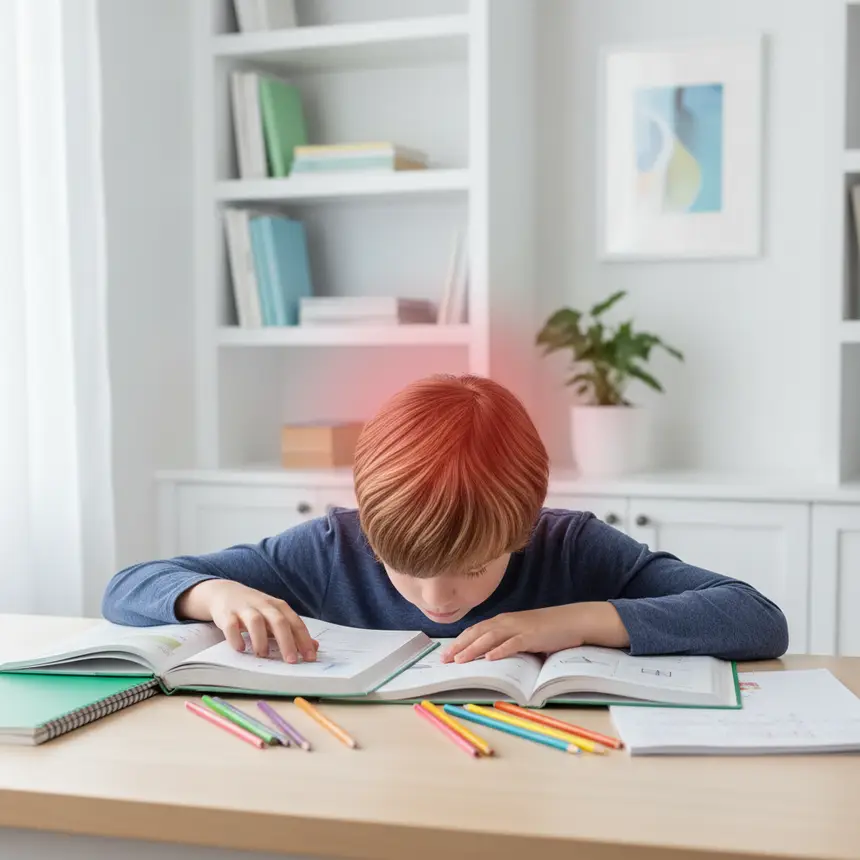
Discover practical parenting tips to foster good posture habits in elementary school children, supporting their healthy development and improved focus.

Is Your Child's Study Space Supporting Their Posture?
With more time spent at home, many children's learning environments have shifted. It's common to see kids reading or attending online classes from the living room floor or sofa, which might seem comfortable at first. However, over time, that initial good posture can easily give way to slouching. For elementary school children, especially around ages 7-9, their physical development is in full swing, making this a critical period for spine and skeletal formation. Establishing good posture habits now can significantly impact their long-term health. Observing how your child sits and moves in various home settings can be the first step toward fostering their healthy growth and development.
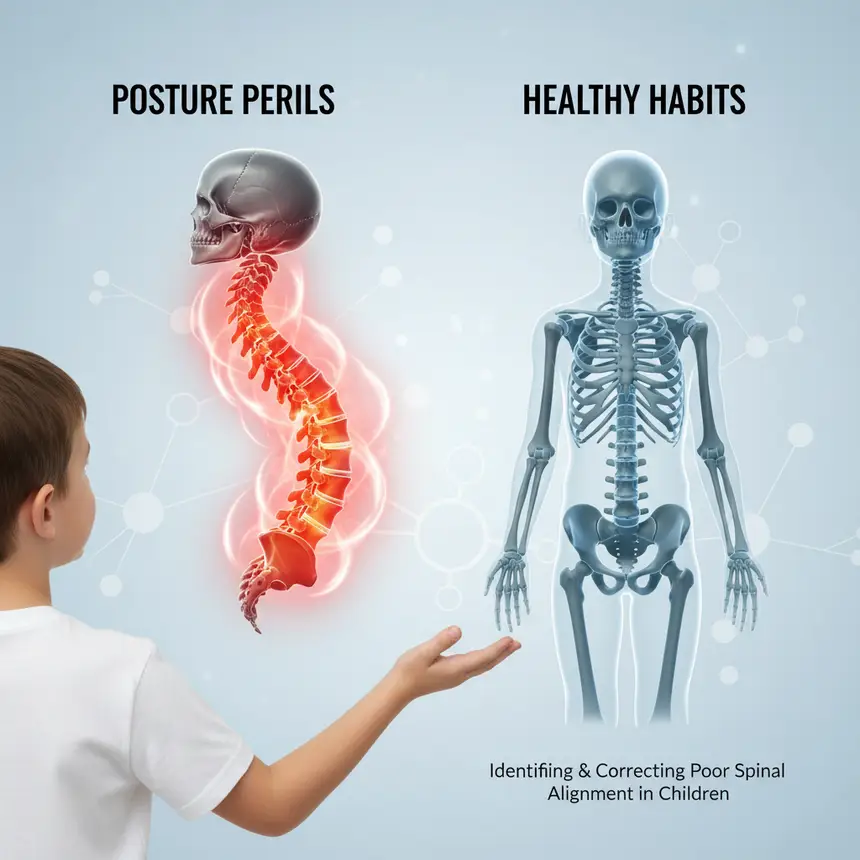
Why is Posture So Critical During Childhood Growth?
A child's posture does more than just define their appearance; it profoundly influences their overall physical development and well-being. Slouching or asymmetrical postures can place undue stress on a child's developing spine, potentially leading to long-term postural imbalances. For instance, leaning to one side can compress the spine and cause uneven shoulder or hip heights. Such issues can impede blood circulation, leading to fatigue and diminished concentration, which in turn affects academic performance. Persistent physical discomfort can also impact a child's confidence. Therefore, maintaining good posture is fundamental for a child to grow up healthy and lead an active, vibrant life. Parents play a crucial role in observing their child's posture and providing appropriate support when needed.
※ This post contains affiliate links. I may earn a commission at no extra cost to you.

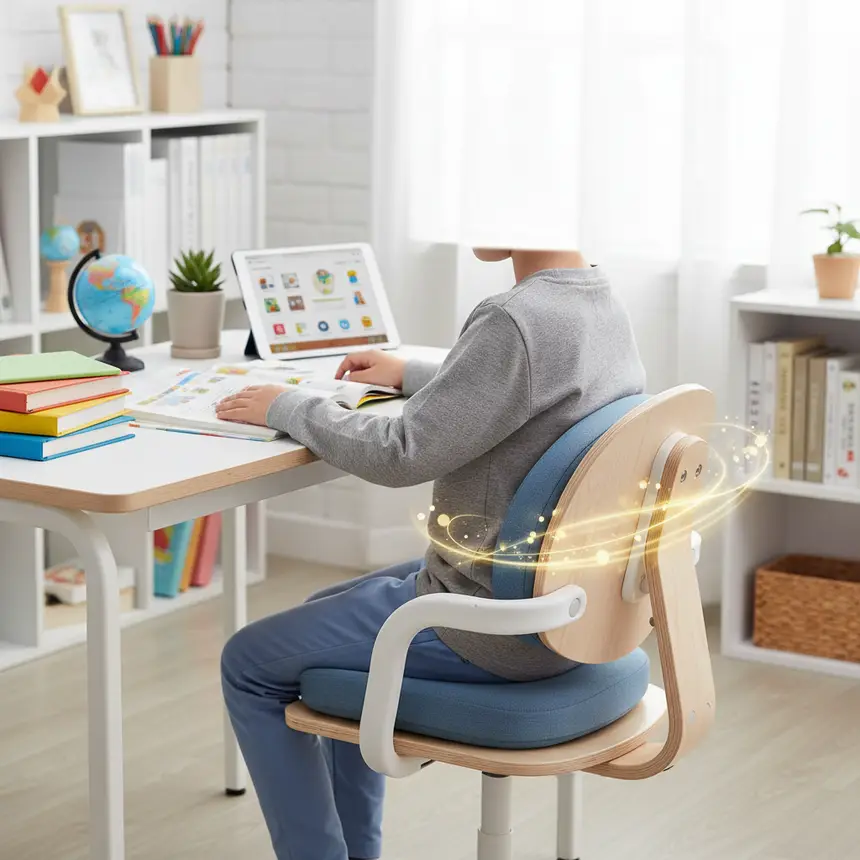
A Holistic Approach to Nurturing Good Posture
To help your child develop good posture habits, it's beneficial to adopt a comprehensive strategy that goes beyond relying on a single tool. Start by optimizing their primary seating areas. When studying on the floor or sofa, consider using supportive seating aids that provide stable back and lumbar support. These aids are designed to help maintain the spine's natural curve and encourage correct alignment as the child sits deeply into the seat. Look for features like good ventilation to ensure comfort and promote consistent use. Beyond seating, incorporating regular physical activity for at least 30 minutes daily is vital. Simple stretches and core-strengthening exercises, like basic yoga or Pilates moves (e.g., cat-cow stretch, bird-dog pose), can significantly improve spinal flexibility and overall balance, which are excellent for a growing child's posture.
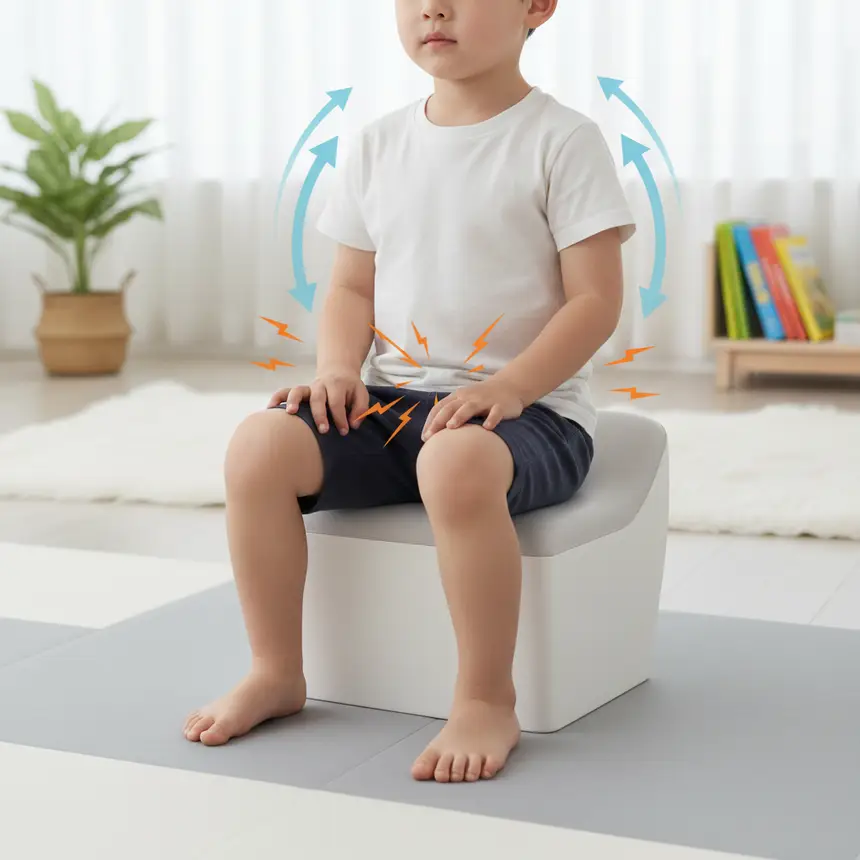
Implementing Posture Aids: A Practical Guide for Parents
Once you've set up an improved environment, it's time to guide your child on how to effectively use posture aids. There are a few key principles to follow:
- 1. Proper placement on a chair: When using an aid on a regular chair, position it with a 4-6 inch (10-15 cm) gap from the chair's backrest. This ensures the aid functions optimally by allowing your child's body to engage with its support.
- 2. Correct sitting technique: Instruct your child to hold the aid with both hands and sit deeply into the back of the seat. This allows their body weight to naturally push against the aid, promoting a proper spinal curve.
- 3. Using on the floor: If the aid is used directly on the floor, place a thick mat or cushion underneath it. This protects your flooring and prevents the aid from sliding, maintaining stability for correct posture. It's normal for a child to feel a bit awkward or uncomfortable initially, as their body adjusts from old habits to a new, healthier alignment. Encourage consistent use, starting with short periods and gradually increasing duration. Daily practice, even for a few minutes, is key.
Building a Future of Healthy Habits, Together
Cultivating good posture in children is more than just about academic focus; it's a crucial component for their overall physical health and self-confidence. Even if immediate changes aren't drastic, consistent effort and attentive parental support can help your child establish healthy posture habits for life. There might be times when your child feels uncomfortable or expresses frustration, but patience and encouragement are essential during these moments. When the whole family understands the importance of posture and encourages each other, the impact can be even greater. Start taking small steps today to support your child's posture. It’s a valuable investment in their healthy growth and bright future.
Frequently Asked Questions
Q. How can I choose the right posture support for my child?
A. Consider your child's physical dimensions (e.g., for an elementary student around 51 inches tall and 55 pounds, ensure the size is appropriate) and their primary seating environment (desk chair, floor, sofa). Look for an aid that provides stable back and lumbar support, offers good ventilation, and naturally encourages correct posture when seated.
Q. My child finds new posture aids uncomfortable. Should I persist?
A. It's common for children to feel some discomfort initially as their body adjusts from previous poor habits to a new, correct posture. Start with short periods of use and gradually increase the duration, monitoring your child's reactions. Consistency and allowing time for adaptation are key to success.
Q. What other activities or exercises can help improve my child's posture?
A. Beyond supportive aids, various activities can help. Basic stretching exercises from yoga or Pilates that strengthen core muscles and improve spinal flexibility, along with full-body activities like walking or swimming, are highly effective in promoting better posture. Encourage enjoyable activities that they can do consistently.
Q. When should I consider seeking professional advice for my child's posture?
A. If your efforts at home don't lead to improvement, or if your child consistently complains of back pain, shoulder stiffness, or if you notice visible spinal asymmetry, it's important to consult with a pediatrician or a physical therapist. They can provide an accurate diagnosis and personalized recommendations.