Is your baby's sensitive skin dry and irritated? Learn about the importance of infant skin moisturizing and proper care methods, from newborns to toddlers. Discover practical tips for healthy baby skin.

The Crucial Role of Moisturizing for Healthy Infant Skin Barrier
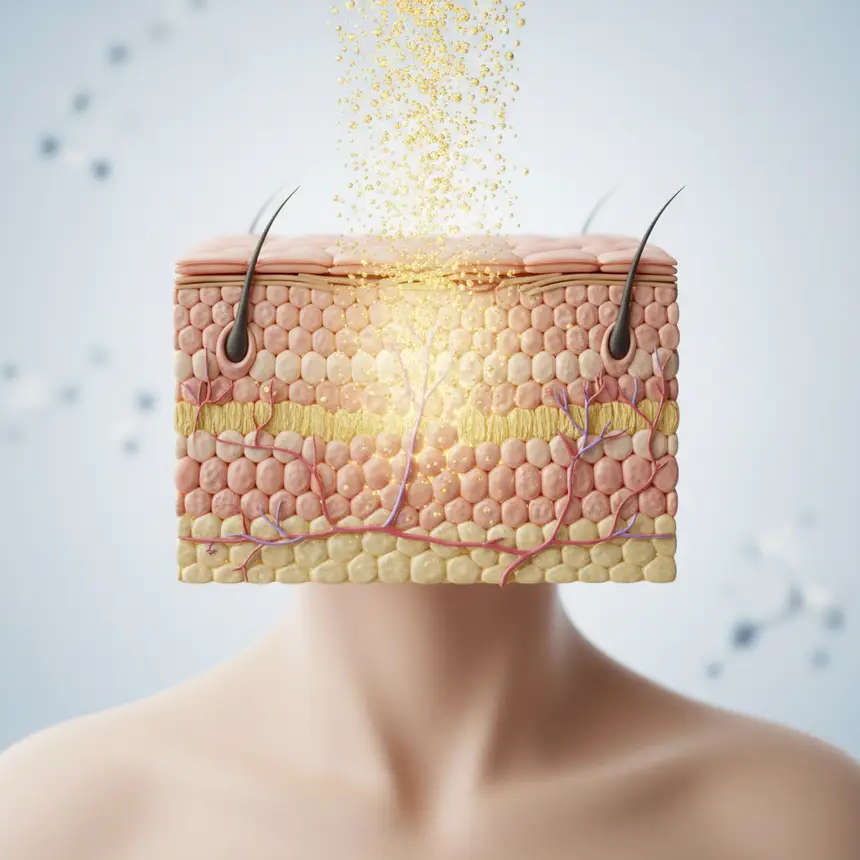
A newborn's skin is far more delicate and permeable than an adult's, making it highly susceptible to external irritants. In dry environments, it can easily lose moisture, leading to roughness, redness, itchiness, and flaky patches. Consistent moisturizing is vital not just for skin health, but also for reducing discomfort and protecting the skin from environmental stressors. Effective hydration fortifies the skin's natural protective barrier, ensuring long-term comfort and resilience. Nurturing soft and supple skin significantly contributes to a baby's overall well-being and emotional stability during their developmental stages, highlighting why infant skin care is a primary concern for parents. Understanding and implementing a gentle, consistent skin care routine can make a profound difference in your baby's comfort and health.
Selecting Safe Ingredients and Establishing Skin Care Principles for Infants
When it comes to infant skin care, the most important aspects are the ingredients in the products you use and the daily habits you establish. Given the immaturity of a baby's skin, it's essential to choose moisturizers with mild, non-irritating components. Ingredients like plant-derived extracts and those that mimic the skin's natural lipid structure—helping to prevent moisture loss—can be highly beneficial. Always verify that products have undergone skin irritation tests and are free from controversial or harsh additives like artificial fragrances and dyes. Beyond product selection, several core principles guide effective care. First, during bath time, use lukewarm water and a gentle, pH-balanced cleanser, keeping baths short, ideally under ten minutes, to avoid stripping the skin of its natural oils. Second, maintaining a comfortable indoor environment is crucial. In dry seasons, use a humidifier to keep indoor humidity levels between 50-60%, and regularly wash baby's bedding and clothes to ensure cleanliness and reduce potential irritants.
※ This post contains affiliate links. I may earn a commission at no extra cost to you.


Effective Moisturizing Routine for Dry Baby Skin
To ensure effective moisturization, establishing a consistent and correct application routine is key. The most impactful time to apply moisturizer is immediately after a bath, within the 'golden window' of three minutes, while the skin is still damp. This helps to lock in existing moisture and prevent evaporation. Apply the moisturizer evenly across the entire body—face, arms, legs, and torso. For particularly dry areas, reapply a small amount and gently massage it in. Layering different types of moisturizers—such as soothing gel, lotion, cream, and then oil—can provide deeper hydration. A soothing gel offers calming and hydration, lotion provides basic moisture, cream builds a more robust barrier, and oil seals in the moisture as the final step. Aim to apply moisturizers at least twice a day, in the morning and evening, and reapply as needed throughout the day, especially after outdoor activities or if skin feels dry. Formulations that absorb quickly without leaving a sticky residue are ideal, encouraging frequent use without discomfort for your baby or inconvenience for you.

Important Precautions and When to Seek Professional Advice for Infant Skin Care
Due to its sensitivity, infant skin requires meticulous care during moisturizing routines. Before introducing any new product, it's wise to perform a patch test on a small area, like the inner arm, to check for any allergic reactions. When applying moisturizers, avoid rubbing the skin vigorously; instead, gently pat the product in to minimize irritation. Consistent moisturizing is necessary from infancy through toddlerhood, adapting the product texture and quantity to seasonal changes. For instance, during dry autumn or winter months, a richer, more intensive moisturizer might be beneficial. If, despite diligent moisturizing, your baby's dry skin, redness, or itching persists or worsens, it's crucial to consult a pediatrician. Professional medical advice can help identify the exact cause of the issue and ensure your baby receives appropriate care. A baby's healthy skin is a testament to a parent's consistent care and attentive effort.
Frequently Asked Questions
Q. How often should I moisturize my baby's dry skin for the best results?
A. For effective improvement of dry baby skin, it's best to moisturize at least twice a day, especially within three minutes after bathing. Reapply to particularly dry areas or after outdoor activities as needed.
Q. Is it safe to use moisturizers on newborns?
A. Yes, newborns have a delicate and underdeveloped skin barrier, making moisturizing essential. Choose gentle, hypoallergenic moisturizers with non-irritating ingredients and apply them consistently.
Q. Should I layer different types of moisturizers on my baby's skin?
A. This depends on your baby's skin dryness level and the season. For very dry skin, layering products like soothing gel, lotion, cream, and then oil can be highly effective in forming a deep moisturizing barrier.
Q. What other methods can help prevent and manage dry baby skin besides using moisturizers?
A. Maintaining indoor humidity between 50-60%, giving short baths with lukewarm water, and using mild, pH-balanced cleansers are important. Regularly cleaning your baby's clothes and bedding also helps.
Q. What should I do if my baby's skin issues (redness, itching) don't improve with consistent moisturizing?
A. If skin symptoms persist or worsen despite home moisturizing care, it's crucial to consult a pediatrician. They can provide an accurate diagnosis and recommend appropriate treatment rather than relying on self-assessment.