Is your newborn's skin looking a little yellow? Learn about common causes of newborn jaundice, how it progresses, and what breast milk jaundice means for new parents. Get essential information to ease your worries and support your baby's health journey.

The Initial Surprise: When Your Newborn's Skin Turns Yellow
Welcoming a new baby into the world is an experience filled with unparalleled joy and wonder. Yet, for many new parents, this blissful period can quickly be tinged with worry when they notice their baby's skin developing a subtle yellowish tint a few days after birth. 'Is my baby sick?' 'Is this normal?' These questions often race through a parent's mind. Rest assured, this is a very common occurrence in newborns. A significant number of babies experience what's known as newborn jaundice, a natural physiological change that requires understanding and calm observation from parents. To help alleviate your concerns, let's explore the reasons behind this color change and what it means for your little one.

Decoding Newborn Jaundice: What Causes the Yellow Hue?
The primary reason a newborn's skin and eyes may appear yellow is due to a temporary increase in bilirubin, a yellowish pigment found in the blood. Bilirubin is a natural byproduct created when old red blood cells are broken down in the body. While adults' livers efficiently process and excrete this bilirubin, a newborn's liver is still developing and less efficient at this task. Furthermore, newborns typically have a higher turnover of red blood cells right after birth, leading to more bilirubin production. This combination of increased bilirubin production and an immature liver means bilirubin accumulates in the body, causing the skin to take on a yellowish color. This phenomenon is quite common, affecting approximately 60% to 70% of all newborns.
※ This post contains affiliate links. I may earn a commission at no extra cost to you.

Tracking the Yellow: How to Observe Your Baby's Jaundice
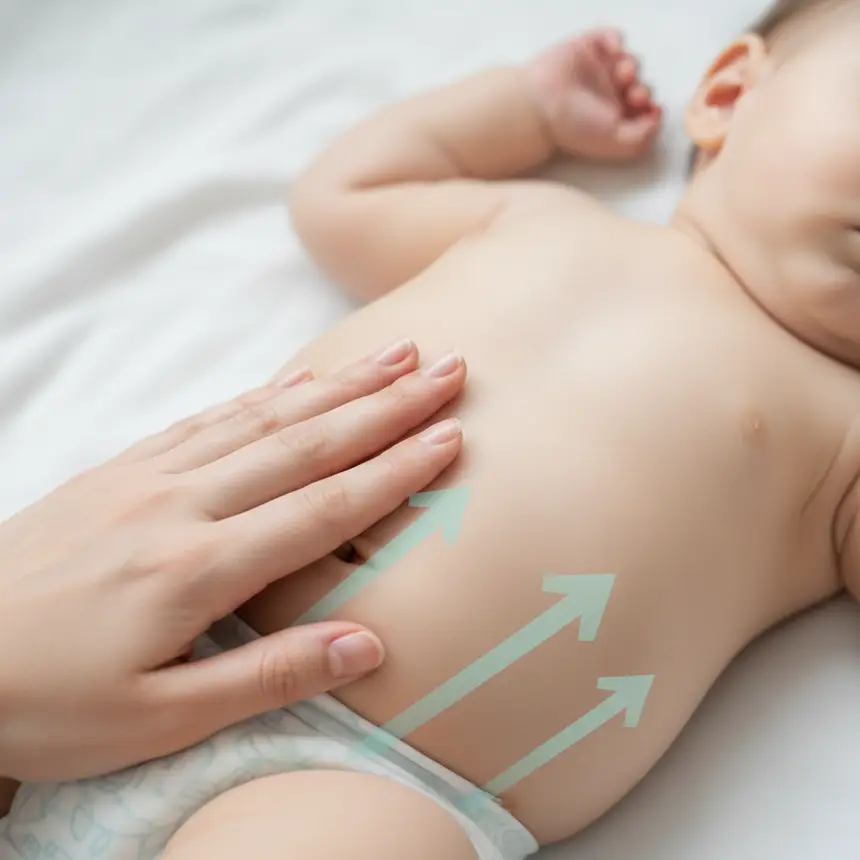
Newborn jaundice often follows a predictable pattern of progression. It typically begins on the baby's face, and if bilirubin levels continue to rise, the yellow tint will gradually spread downwards to the chest and abdomen. It's rare for it to reach the hands and feet, but observing the extent of the yellowing can offer clues about your baby's condition. You can perform a simple check at home: gently press your finger on your baby's forehead or nose and then release. If the skin briefly appears yellowish where you pressed, it might indicate the presence of jaundice. However, it's crucial to remember that this home test is only for preliminary observation; an accurate diagnosis and assessment of your baby's health should always come from a healthcare professional.

Navigating Breast Milk Jaundice: What Parents Need to Know
A specific type of jaundice, commonly observed in breastfed infants, is known as 'breast milk jaundice.' This typically begins around 5 to 7 days after birth and can sometimes persist for several weeks. A key characteristic of breast milk jaundice is that the baby generally remains in excellent health. They feed well, sleep soundly, and are active, showing no other signs of illness. Many parents worry if they should stop breastfeeding due to this condition. However, in most cases, discontinuing breastfeeding is not necessary. While certain substances in breast milk might slightly delay bilirubin excretion, the baby's liver function matures over time, improving its ability to process bilirubin, and the jaundice usually resolves naturally. Therefore, unless advised otherwise by a healthcare provider, continuing breastfeeding while monitoring your baby's condition is generally the recommended approach.

Beyond the Worry: Supporting Your Baby Through Jaundice
For first-time parents, every minor change in their baby can spark significant concern, and newborn jaundice is no exception. Yet, as we've explored, most cases of newborn jaundice are temporary, natural aspects of a baby's development, and they often resolve on their own as the baby matures. The most important thing is not to be overwhelmed by anxiety but to observe your baby carefully and consistently. If you have concerns, seeking professional advice to get accurate information and reassurance is always the best course of action. Your informed attention and understanding are invaluable as your baby grows. We hope this information helps new parents better understand newborn jaundice, respond calmly, and cherish the precious moments with their little one with greater peace of mind.
Frequently Asked Questions
Q. When does newborn jaundice typically appear and resolve?
A. Most physiological jaundice in newborns starts around 2-4 days after birth, peaks between one to two weeks, and usually resolves naturally within two weeks. However, breast milk jaundice can sometimes last for several weeks.
Q. Does jaundice make babies fussy or uncomfortable?
A. In the majority of cases of physiological jaundice, babies do not experience significant discomfort. They usually feed well, sleep soundly, and are active as usual. If your baby seems excessively lethargic or isn't feeding well, it's important to consult a healthcare professional.
Q. Is it safe to continue breastfeeding with jaundice?
A. Yes, most cases of breast milk jaundice are not harmful to the baby, and there's usually no need to stop breastfeeding. The benefits of breast milk far outweigh any potential risks from jaundice, so continuing to breastfeed is encouraged unless specifically advised otherwise by a doctor.
Q. What should I look for when checking for jaundice at home?
A. It's best to observe your baby's skin color in bright, natural light. Gently pressing your finger on your baby's forehead or nose and then releasing it may reveal a yellowish tint if jaundice is present. However, this is for reference only; an accurate assessment requires a professional medical evaluation.