Address parental concerns about 3 and 4-year-old development, especially physical and language milestones. Discover concrete strategies for balanced nutrition, adequate physical activity, and effective language interaction to support your child's healthy growth.

Understanding Parental Concerns About Early Childhood Development
Watching your little one grow and discover the world is one of life's greatest joys. However, for many parents, the rapid developmental changes in a 3-year-old or the language milestones of a 4-year-old can also bring a wave of questions and worries. Is my child reaching their developmental milestones on time? Why does my neighbor's kid speak in full sentences while mine still mostly uses single words? Is their weight or height typical for a 4-year-old? These concerns are perfectly normal and part of the universal parenting experience. It's natural to compare your child's progress with others, but remember that every child's developmental journey is unique and unfolds at its own pace. Your supportive presence and understanding are the most crucial factors in their healthy development. Embrace their individual rhythm and celebrate every small step forward.
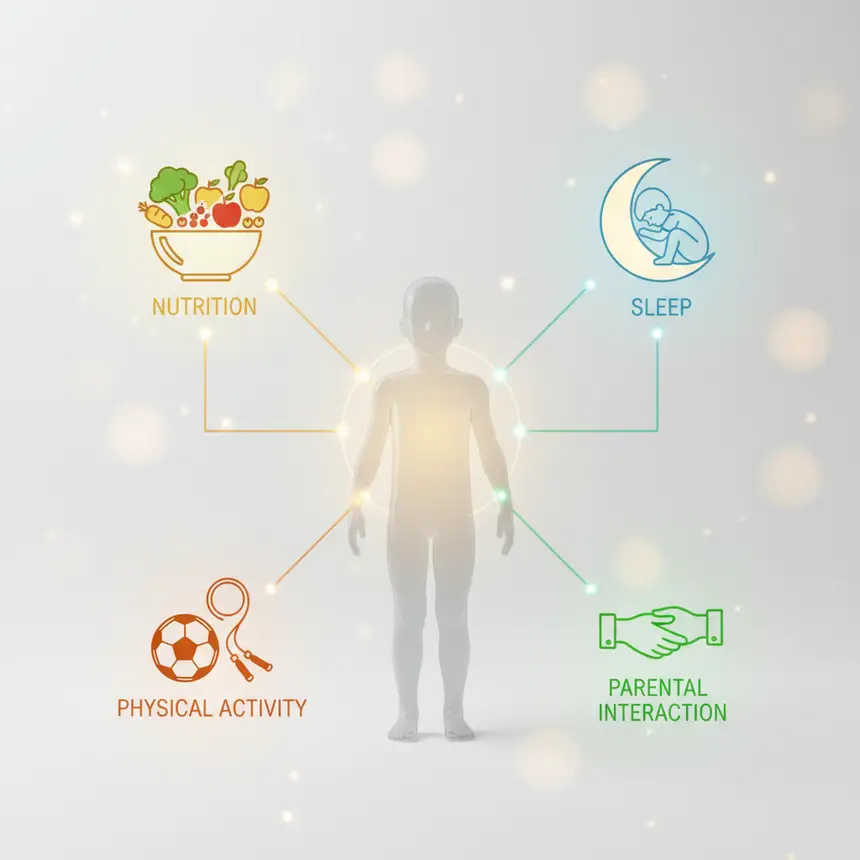
Key Factors Influencing a Child's Holistic Development
A child's development isn't a passive process; it's a dynamic interplay of various factors across physical, cognitive, and linguistic domains. While genetic predispositions lay the groundwork, the environment plays a pivotal role in unlocking their full potential. Balanced nutrition provides the essential building blocks for cellular growth and brain development. Adequate sleep is critical for hormone production, including growth hormones, and overall restoration. Regular physical activity not only refines gross and fine motor skills but also boosts immunity and overall well-being. Perhaps most impactful is the child's daily environment: consistent, warm interactions with caregivers, rich language exposure, and diverse play experiences are fundamental. These elements stimulate brain development and significantly enhance social and language abilities. When all these components work in harmony, a child thrives and grows into a happy, healthy individual.
※ This post contains affiliate links. I may earn a commission at no extra cost to you.


Effective Strategies to Support Early Childhood Development
Parents play a vital role in fostering their child's healthy growth. Here are concrete strategies to effectively support development across various domains:
- Balanced Nutritional Intake: Offer a diverse diet rich in fruits, vegetables, lean proteins, and whole grains to ensure they receive all essential nutrients. Prioritize natural, unprocessed foods over sugary or highly processed options. Establish consistent mealtime routines and encourage your child to enjoy eating independently.
- Sufficient Physical Activity: Aim for at least 60 minutes of unstructured playtime daily to promote gross motor skill development. Activities like running, jumping, walking, and climbing enhance coordination and balance. Don't forget fine motor activities such as drawing, building with blocks, or playing with clay to refine dexterity.
- Rich Language Interaction: Engage in regular conversations with your child, read books aloud frequently, and patiently answer their questions. Even if their speech is imperfect, listen attentively and repeat their words, providing opportunities to expand their vocabulary. Pointing to objects and naming them is also highly beneficial.
- Creating a Positive Learning Environment: Spark your child's curiosity by providing opportunities for exploration. Nature walks, sensory play, and simple board games can boost cognitive skills and problem-solving abilities. Encourage a sense of accomplishment and foster their independent thinking by observing and offering encouragement.

Cultivating Potential Through Consistent Nurturing and Love
Child development is more like a marathon than a sprint. Instead of rushing towards immediate outcomes, focus on consistent, small efforts each day. Children flourish best in an environment filled with their parents' love and high expectations. Dedicate even a short amount of time daily to make eye contact, play together, and genuinely connect. These moments are crucial for building emotional security and a strong bond. If you have specific concerns about your child's development or feel that professional guidance might be beneficial, don't hesitate to consult with a pediatrician or a developmental specialist. Seeking accurate information and appropriate support can significantly help unlock your child's full potential. Remember, every child develops at their own unique pace and shines in their own way. With your unwavering attention and warm care, your child will undoubtedly be well-prepared to face the world healthily and happily.
Frequently Asked Questions
Q. My 3-year-old is not speaking much yet. Should I be concerned?
A. Language development varies greatly among children. While many 3-year-olds start using short sentences, it's common for others to still primarily use single words or have less clear speech. Focus on whether your child attempts to communicate, responds to sounds, and uses non-verbal cues like pointing or gestures. Consistent conversation and reading to your child are vital for language stimulation. If concerns persist, a consultation with a developmental specialist can provide a clear assessment.
Q. I'm worried my 4-year-old's height and weight are below average. What should I do?
A. Height and weight in 4-year-olds can differ significantly. It's most accurate to assess growth using a growth chart over time, rather than focusing on a single measurement. Ensure your child maintains a healthy diet and engages in plenty of physical activity. Growth can sometimes plateau temporarily. Instead of undue worry, prioritize balanced nutrition, adequate sleep, and regular physical activity. If you have significant concerns, it's always best to consult with your pediatrician.
Q. What kind of play helps boost my child's brain development?
A. To stimulate brain development, focus on play that engages multiple senses and encourages problem-solving. Activities like building blocks or puzzles enhance spatial reasoning and fine motor skills, while drawing or playing with clay fosters creativity and self-expression. Role-playing or puppet shows can ignite imagination and develop social skills. Exploring nature and engaging in sensory experiences outdoors also positively impact brain development. The key is to provide an environment where your child feels interested and can participate actively.