Navigating the world of 8-month baby food? Discover essential tips for preparing wholesome purees with seasonal vegetables like pumpkin and eggplant, plus simple homemade snack ideas for your growing little one's healthy development.

Why 8-Month Baby Food Matters for Optimal Development
Around eight months of age, babies are at a pivotal stage, becoming more accustomed to solid foods. This period is not just about providing sustenance; it’s a crucial opportunity to introduce a variety of flavors and textures, which significantly aids in the development of their palate and chewing abilities. Offering soft purees alongside squishy finger foods allows infants to experience the joy of self-feeding while also supporting their fine motor skill development. Establishing a balanced intake of essential nutrients and fostering healthy eating habits begins with age-appropriate baby food preparation. Vegetables and fruits rich in vital nutrients like iron and vitamins play a key role in promoting healthy growth and strengthening your baby’s immune system.
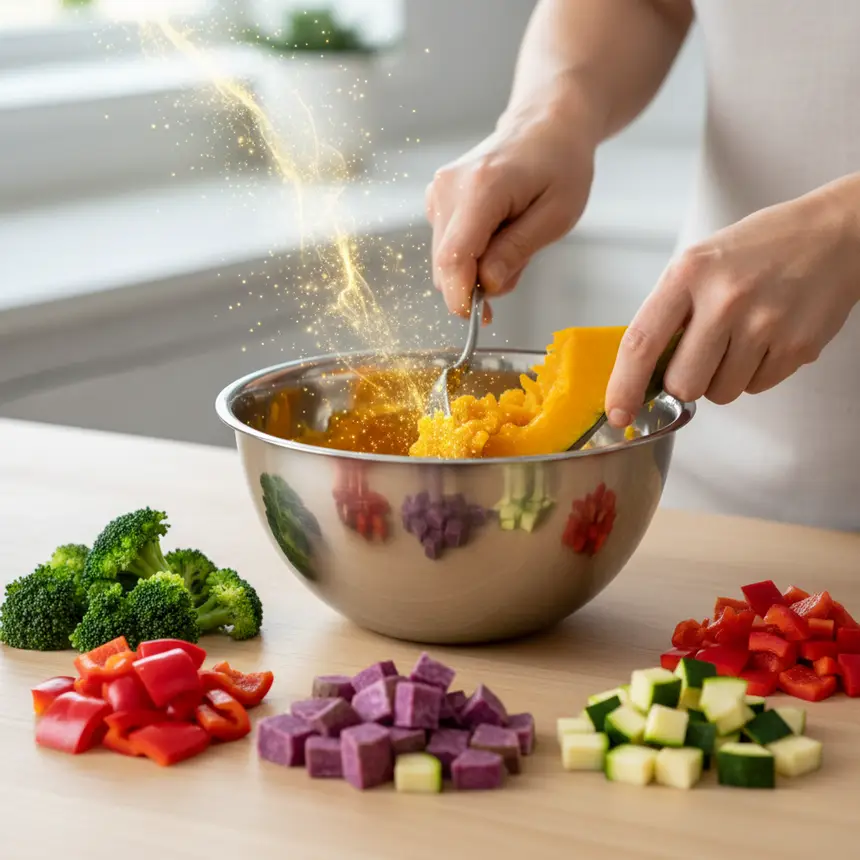
Crafting Nutritious Vegetable Cubes and Wholesome Snacks: A Detailed How-To
When preparing baby food for an 8-month-old, using seasonal vegetables offers benefits in terms of freshness and nutritional value. For example, pumpkin is rich in Vitamin A, supporting eye health and immunity, while eggplant provides dietary fiber, aiding digestive wellness. Creating these vegetables into purees or small pieces requires a few tricks for easier preparation. For firm pumpkin, microwave it for about 2-3 minutes to soften slightly, then halve it, remove the seeds, and cut it into crescent shapes before steaming for another 5-6 minutes. This makes peeling the skin much simpler. Once cooled, mash the soft flesh to your desired consistency. For eggplant, wash thoroughly, slice into thin rounds, and steam until tender. Then, finely chop it to a texture suitable for your baby. Once prepared, these purees or chopped vegetables can be portioned into roughly 30g servings and frozen in sterile containers. This allows for convenient access when building various meals. Furthermore, leftover pumpkin puree can be transformed into a simple snack. Combine mashed pumpkin and rice flour in a 1:1 ratio, adding a small amount of formula if desired for a richer flavor. Form this mixture into baby-friendly shapes, gently pierce with a fork, and bake in a preheated air fryer at approximately 180°C (350°F) for 10 minutes per side. This process encourages your baby to explore different tastes and textures, aiding both palate and fine motor skill development.
※ This post contains affiliate links. I may earn a commission at no extra cost to you.

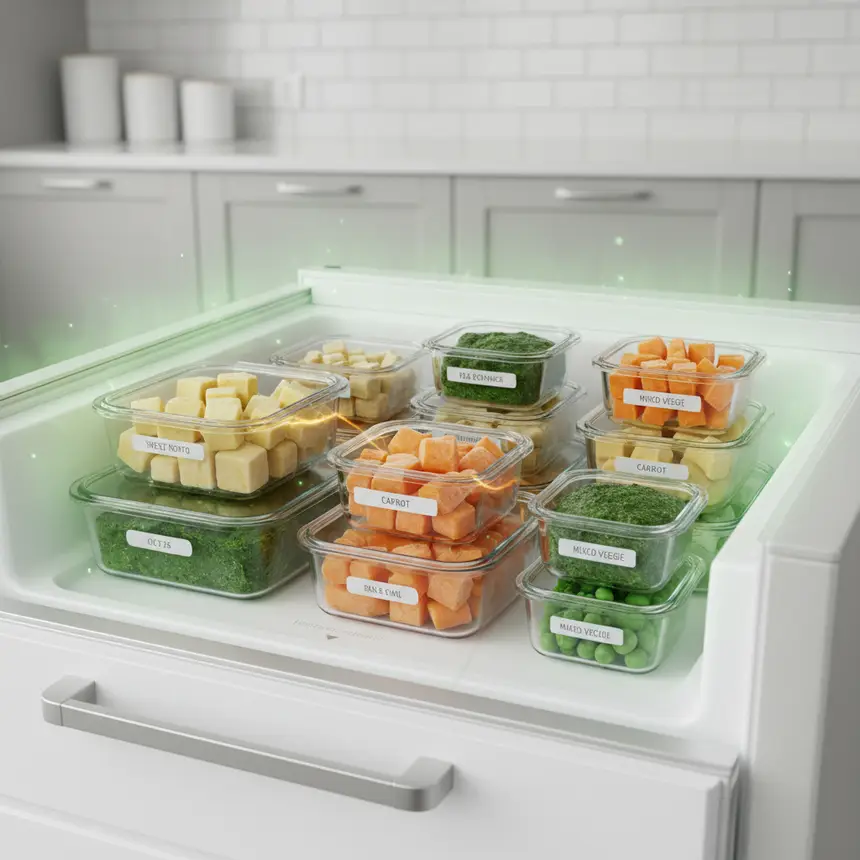
Streamlining Baby Food Preparation and Storage for Busy Parents
In the hustle and bustle of daily parenting, preparing fresh baby food for every meal can be challenging. Pre-preparing ingredient cubes, such as vegetable purees, can significantly boost efficiency. By cleaning and processing various vegetables into purees or finely diced forms and freezing them in advance, you can easily create diverse meal combinations for your baby. For instance, having pumpkin, eggplant, and beef cubes ready allows you to simply grab the necessary types and amounts for each meal. This not only cuts down cooking time but also ensures your baby receives a wide array of nutrients. For storage, use BPA-free containers or freezer bags, and create dividing lines with a chopstick before freezing. This makes it simple to break off only what you need after thawing. Managing ingredients systematically this way helps parents provide healthy meals without undue stress, even as babies transition to three solid meals a day.
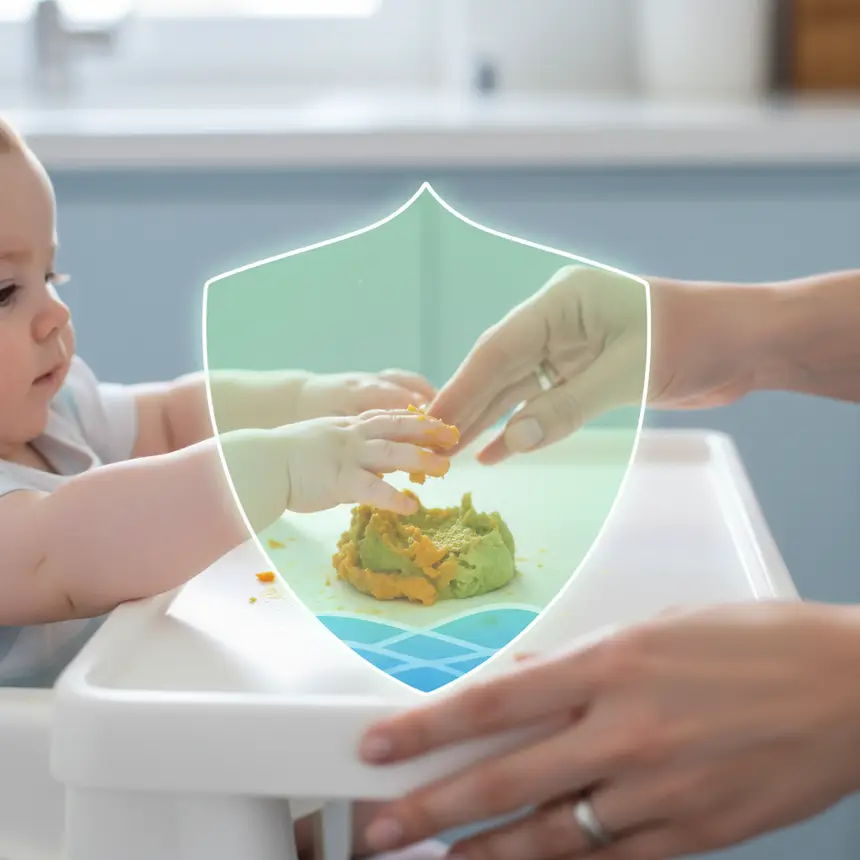
Important Considerations and Recommended Age for Introducing Solids
Introducing solid foods should always be done thoughtfully, in alignment with your baby’s developmental stage. Around 8 months, babies may encounter new foods and potentially show allergic reactions. Therefore, when introducing a new ingredient, offer a small amount initially and closely observe your baby’s response for 2-3 days. Moreover, when providing soft solid foods, always ensure the size and texture are appropriate for chewing and swallowing to prevent choking hazards. It is crucial for a caregiver to be present during meals and to guide the baby to eat in a proper, upright posture. At this stage, aiming for three solid meals a day is typical, but adjust the quantity flexibly based on your baby’s growth rate and digestive capabilities. An ideal 8-month baby food menu includes soft vegetable purees, gentle grains, and finely minced meats or fish, ensuring a balanced intake of various nutrients. Since your baby’s digestive system is still maturing, it’s best to avoid artificial seasonings like sugar and salt, focusing instead on wholesome, natural ingredients for optimal health.
Frequently Asked Questions
Q. What vegetables are best to introduce to an 8-month-old?
A. For an 8-month-old, it’s beneficial to offer a variety of seasonal vegetables such as pumpkin, eggplant, broccoli, zucchini, carrots, and potatoes, cooked until very soft and pureed or mashed. Choose vegetables rich in fiber, vitamins, and minerals to ensure a balanced diet for your baby.
Q. How long can I store homemade baby food cubes?
A. Properly prepared and flash-frozen baby food cubes can typically be stored in the freezer for 2 weeks to up to 1 month. However, for optimal freshness and nutrient retention, it's best to use them as quickly as possible. Once thawed or opened, consume immediately or refrigerate and use within one day for safety.
Q. What should I do if my baby refuses to eat solids?
A. It's common for babies to refuse solids sometimes, and there's no need to worry excessively. Instead of forcing them, try introducing different ingredients or varying the preparation method. Babies may need time to adapt to new tastes and textures. Creating a positive and enjoyable mealtime environment, without pressure, is key.
Q. When and what kind of snacks can I offer my 8-month-old?
A. Around 8 months, you can start offering simple snacks between meals. Good options include soft banana slices, mashed cooked sweet potato, or homemade soft teething biscuits that your baby can easily grasp and self-feed. Always prioritize natural ingredients without added sugars or salts.