Struggling with healthy, low-sugar snack ideas for your growing child? Discover practical ways to use fruit purees to create nutritious treats. Foster healthy eating habits with diverse recipes for joyful meal times.

The Daily Dilemma: What's the Best Snack for My Child?
Every parent faces the constant challenge of finding appropriate snacks that support their child's development. Especially for toddlers under two, the desire to offer natural, additive-free options without added sugar or salt is strong, yet time constraints and uncertainty about ingredients often create a struggle. When children become picky eaters or start refusing certain foods, balancing their nutritional intake can become a major concern. Parents often wish to provide fresh, delicious, and healthy alternatives to sugary juices, even amidst their busy schedules. This internal conflict between convenience and healthy choices is a common thread in modern parenting.
The Hidden Sugars and Nutrient Loss in Conventional Children's Snacks
Many commercially available snacks, while convenient, often raise health concerns due to their high content of added sugars, artificial ingredients, and processing methods. For instance, fruit juices frequently undergo heat treatment during manufacturing, which can lead to a significant loss of essential vitamins and enzymes. Furthermore, many are made from concentrate, meaning water and often additional sugars are added back, diluting the original nutritional value and increasing sugar intake. This can negatively impact a child's blood sugar regulation and overall healthy development. Early exposure to high-sugar foods can also cultivate a preference for overly sweet tastes, potentially leading to picky eating habits and making careful snack selection even more critical for long-term health.
※ This post contains affiliate links. I may earn a commission at no extra cost to you.

Harnessing the Power of Whole-Fruit Purees for Optimal Child Nutrition
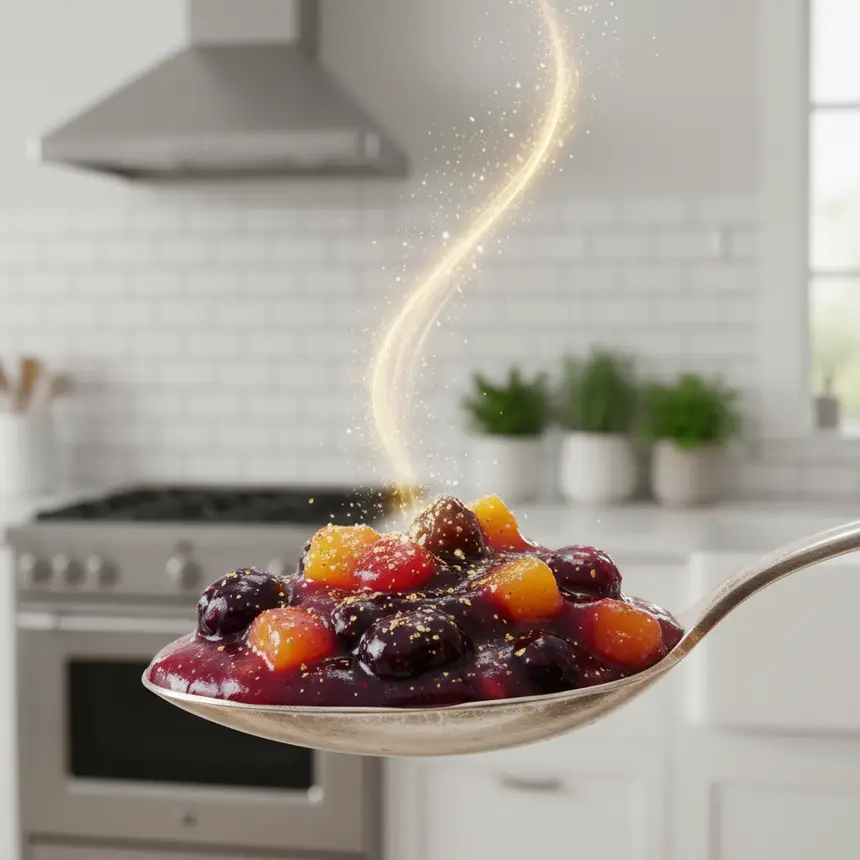
A smart solution for providing healthy snacks to children is incorporating 'not-from-concentrate' (NFC) whole-fruit purees. This method involves grinding the entire fruit without adding any water, preserving the maximum amount of original nutrients. Crucially, the skin of many fruits, especially berries, is rich in antioxidants like anthocyanins. Unlike standard juices, purees allow children to consume these valuable nutrients from the skin. Certain berry varieties are particularly notable, containing over 18 times more anthocyanins than strawberries and boasting approximately 75 different nutrients. Moreover, these berries often have a low glycemic index, about half that of a banana, making them a beneficial choice for managing blood sugar and supporting healthy growth. A single serving can deliver the nutritional equivalent of about 47 whole berries, offering a convenient way to boost a child's nutrient intake.
Practical Puree Recipes: Healthy Snacks for Every Developmental Stage
Fruit purees are incredibly versatile and can be incorporated into various snacks tailored to your child's age and developmental stage. Here are a few simple recipes that can be whipped up even during a busy parenting day:
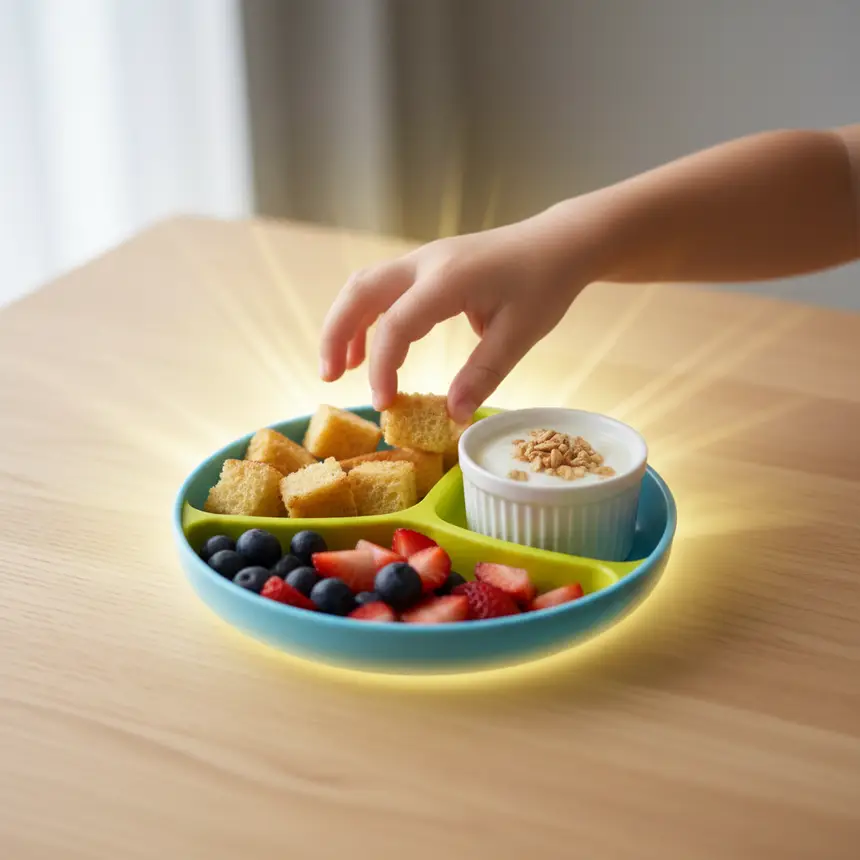
1. Soft Sweet Potato Berry Bread (Recommended after mid-stage weaning): Mash steamed sweet potato, then mix with an egg yolk, infant formula powder, and fruit puree. Microwave for about 2 minutes until it forms a soft bread. Garnish with a small piece of baby cheese or extra fruit for an appealing treat.
2. Nutrient-Packed Berry Greek Yogurt (Recommended from 7 months+): Stir a suitable amount of fruit puree into plain, unsweetened Greek yogurt. This makes for a quick and healthy breakfast or snack that the whole family can enjoy.
3. Low-Sugar Berry Cream Cheese Spread (Recommended from 12 months+, for picky eaters): Combine a scoop of low-sugar cream cheese with a small portion of fruit puree. Spread this delightful mix on baby rice crackers or low-sugar sponge cake to encourage picky eaters with a touch of natural sweetness.
4. Refreshing Berry Sparkling Drink (Toddlers 18 months+, use sparkling water): Instead of sugary sodas, mix one portion of fruit puree with sparkling water. This offers a cool, refreshing, and sugar-conscious beverage. For toddlers, it's advisable to limit the serving size to about 50ml.
1. Soft Sweet Potato Berry Bread (Recommended after mid-stage weaning): Mash steamed sweet potato, then mix with an egg yolk, infant formula powder, and fruit puree. Microwave for about 2 minutes until it forms a soft bread. Garnish with a small piece of baby cheese or extra fruit for an appealing treat.
2. Nutrient-Packed Berry Greek Yogurt (Recommended from 7 months+): Stir a suitable amount of fruit puree into plain, unsweetened Greek yogurt. This makes for a quick and healthy breakfast or snack that the whole family can enjoy.
3. Low-Sugar Berry Cream Cheese Spread (Recommended from 12 months+, for picky eaters): Combine a scoop of low-sugar cream cheese with a small portion of fruit puree. Spread this delightful mix on baby rice crackers or low-sugar sponge cake to encourage picky eaters with a touch of natural sweetness.
4. Refreshing Berry Sparkling Drink (Toddlers 18 months+, use sparkling water): Instead of sugary sodas, mix one portion of fruit puree with sparkling water. This offers a cool, refreshing, and sugar-conscious beverage. For toddlers, it's advisable to limit the serving size to about 50ml.
Cultivating Joyful Growth Through Wholesome Snacking
A child's eating habits extend far beyond simple nourishment; they profoundly influence growth, development, and overall well-being. By offering healthy and delicious snacks, children can explore new flavors and build a positive relationship with food, turning mealtime into an enjoyable experience. As demonstrated by the fruit puree ideas shared today, a little effort can go a long way in providing superior nutrition and establishing healthy eating habits—a precious gift from any parent. These easily prepared snacks are also perfect for outings and can transform challenging mealtimes into fun ones for picky eaters, while offering a healthy energy boost for busy parents. Take the first step today and begin creating wholesome snacks for your little one.
Frequently Asked Questions
Q. What should I look for when choosing fruit puree for my child?
A. It's important to select 'Not From Concentrate' (NFC) purees that contain only fruit ingredients, with no added water or sugars. Opting for products made from whole fruits, including the skin, will also ensure a richer intake of nutrients like anthocyanins.
Q. What's the main difference between store-bought fruit juice and fruit puree?
A. Commercial fruit juices are often made from concentrates with added water and sugar, potentially leading to nutrient loss and increased sugar consumption. Fruit purees, however, are made by grinding whole fruits without adding water, preserving more of the fruit's original nutritional value.
Q. Can I use fruit puree if my child dislikes a particular fruit?
A. Yes, purees are excellent for mixing with other ingredients. This can be a great way to gradually introduce flavors your child might initially dislike, by combining them with familiar foods like sweet potato or yogurt. Start with small amounts and slowly increase.
Q. How can I control the sugar content when making puree-based snacks?
A. Since purees provide natural sweetness from the fruit, it's best to avoid adding extra sugar or syrups. Use unsweetened Greek yogurt or low-sugar cream cheese in recipes to keep the overall sugar content low and focus on the fruit's natural flavor.
Q. How often should I give my child fruit puree?
A. While fruit purees are healthy, they should complement main meals. Offering them as a snack once or twice a day is appropriate. Ensure your child also consumes a variety of other foods to receive a balanced range of nutrients.