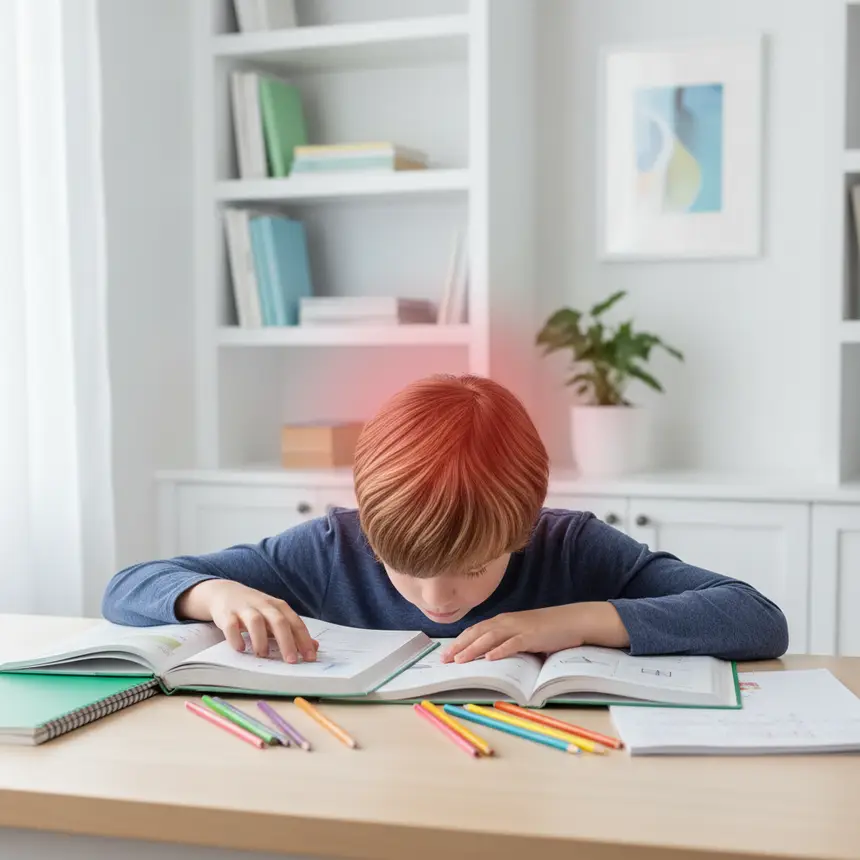
Discover effective learning routines and sensory play methods to boost your 6-year-old's focus and foster their early childhood creativity. A practical guide to establishing positive learning habits.

Navigating Focus and Learning Habits for Your 6-Year-Old
As children turn six and embark on their preschool journey, a new world of curiosity and learning unfolds. Yet, every child's temperament is unique. Some might naturally gravitate towards quiet activities and long periods of reading, while others, like my own child, thrive on exploration and constant motion. The challenge often lies in helping these active learners develop the ability to sit still and concentrate for specific tasks, whether it's a structured activity or listening to a story. This period is crucial for not just cognitive development but also for nurturing their innate early childhood creativity. Finding the right balance to cultivate sustained attention and positive learning habits is a common concern for many parents, as these skills are foundational for problem-solving and future learning endeavors. An effective 6-year-old learning routine is essential for fostering a positive attitude towards academics.

Why Do Six-Year-Olds Struggle with Sustained Attention?
Six-year-olds are in a dynamic phase of brain development, rapidly absorbing new information but also easily distracted. Their frontal lobes, responsible for executive functions like attention and impulse control, are still maturing. This means it's perfectly normal for them to be highly responsive to external stimuli and find it challenging to stick with one activity for an extended period. Imagine a child engrossed in building a tower, only to be sidetracked by a bird chirping outside or a new toy appearing in their peripheral vision. Their high energy levels also make prolonged sitting a tough proposition. Forcing them into rigid, abstract 6-year-old learning routines can backfire, leading to disinterest or even resistance towards learning. They typically learn best through concrete experiences, making sensory play vital. Therefore, an approach that respects their developmental stage is essential, fostering their early childhood creativity effectively.
※ This post contains affiliate links. I may earn a commission at no extra cost to you.

A Holistic Approach to Boosting Focus and Nurturing Early Childhood Creativity
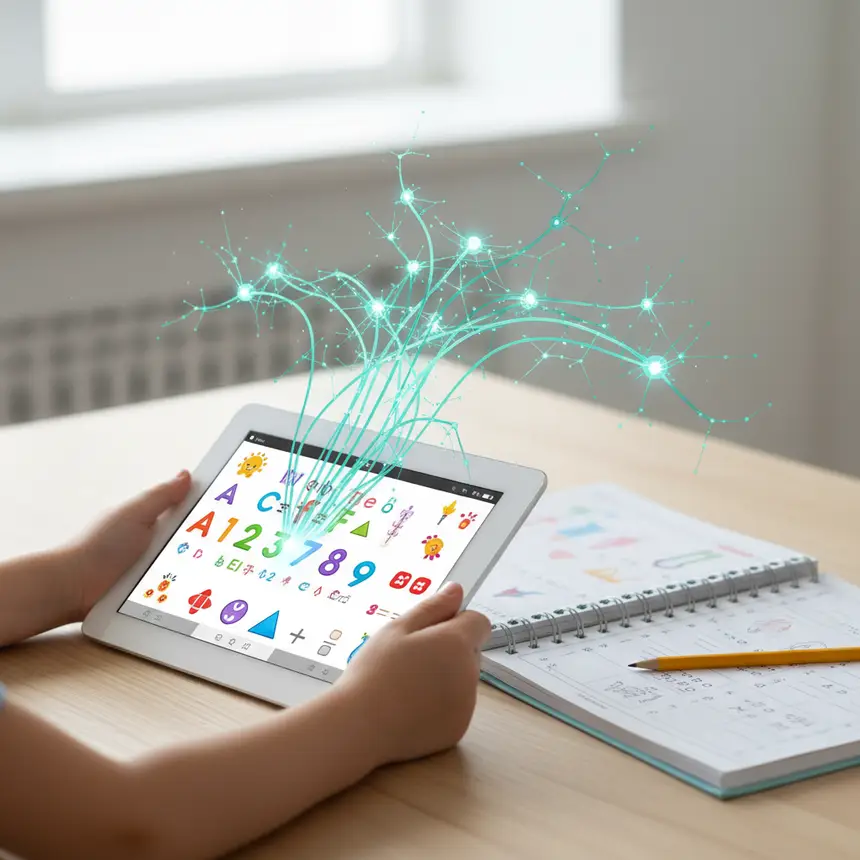
To effectively enhance a child's concentration and foster early childhood creativity, a diverse range of integrated sensory play stimuli is vital, extending beyond mere sedentary academics. Firstly, engaging content is paramount. Learning materials that incorporate captivating stories, songs, or interactive movements can transform "study time" into "playtime," eliminating resistance and encouraging immersion. For instance, when introducing new vocabulary, pair it with an entertaining narrative and corresponding physical actions. Secondly, balancing digital and hands-on learning is key. While screen-based visual and auditory learning can captivate attention, hands-on activities like writing and sticking contribute significantly to fine motor skill development and memory retention. Lastly, expert feedback and motivation play a crucial role. Regularly monitoring a child's progress and providing consistent praise and encouragement cultivates a positive learning experience. Virtual coaching sessions, for example, can empower children to take ownership of their learning and boost their early childhood creativity. This holistic strategy underpins a successful 6-year-old learning routine.
Practical Strategies for Cultivating Consistent Learning Habits
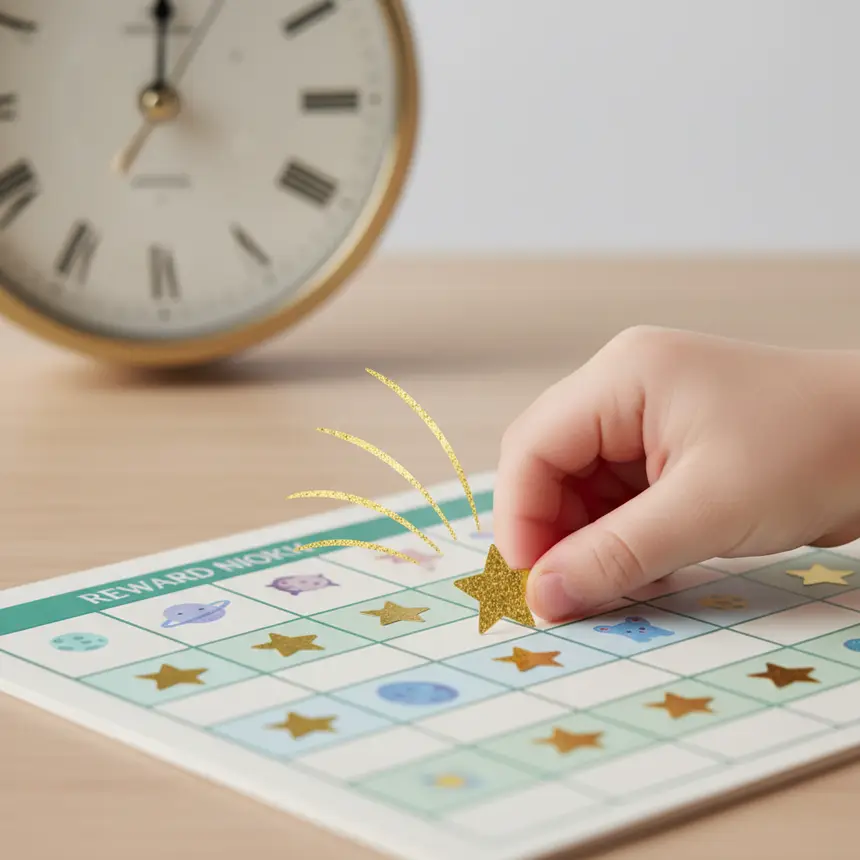
Implementing a structured yet flexible approach is crucial for establishing sound learning habits in young children. The cornerstone of this strategy is setting a regular 6-year-old learning routine. By dedicating specific times each day for learning activities, children gain a sense of predictability and security, integrating learning seamlessly into their daily lives. This might involve playing English songs or stories softly in the morning as a gentle sensory play immersion, or scheduling focused learning sessions after playtime and dinner. For six-year-olds, breaking learning into shorter, 20-minute segments is far more effective than attempting long, uninterrupted sessions. Secondly, utilizing a reward system can be a powerful motivator. Offering small incentives, such as stickers, verbal praise, or shared playtime, upon completion of a task, helps children experience achievement and builds anticipation for future learning. Thirdly, active parental involvement and observation are indispensable. This collective effort significantly contributes to a child's early childhood creativity and overall development.
Unleashing Potential Through Sensory Play and Holistic Development
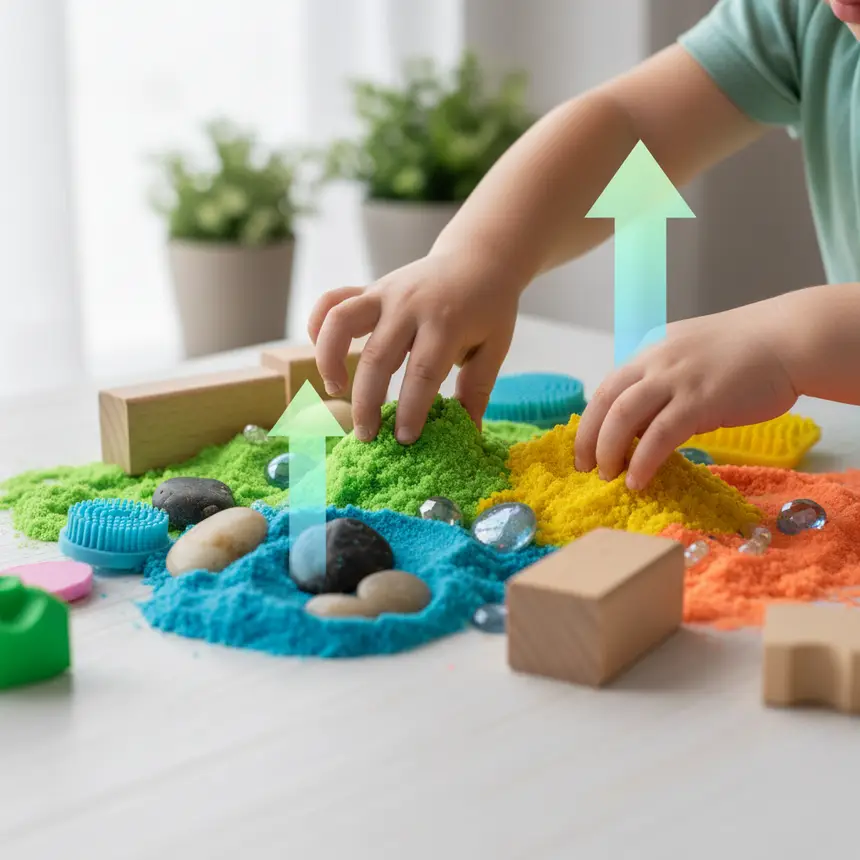
Beyond structured 6-year-old learning routines, the significance of multi-sensory play in fostering early childhood creativity and holistic development cannot be overstated. For six-year-olds, every experience – seeing, hearing, touching, feeling – serves as vital learning material. Simple activities like origami, for instance, enhance fine motor skills and spatial reasoning, while exploring various colors can stimulate aesthetic appreciation and imagination, crucial for early childhood creativity. If creating elaborate sensory play setups at home is challenging, readily available online resources offering coloring templates or paper doll cutouts can be invaluable for stimulating fine motor skills and cognitive abilities. Moreover, diverse learning aids such as alphabet cards or number cards can transform academic tasks into engaging sensory play. When children genuinely enjoy and actively participate in their learning, the impact is significantly magnified. By integrating consistent learning routines with sensory play that sparks curiosity and nurtures early childhood creativity, we can empower our children to develop a positive attitude towards learning and achieve healthy, well-rounded development.
Frequently Asked Questions
Q. What's the ideal learning duration to improve a 6-year-old's focus within a learning routine?
A. While individual attention spans vary, short, focused learning sessions of around 20 minutes are generally most effective for 6-year-olds. It's often better to have 2-3 such sessions daily, totaling 40-60 minutes, to establish a successful 6-year-old learning routine without overwhelming them.
Q. How does sensory play contribute to a child's early childhood creativity?
A. Sensory play is crucial for children to explore the world through various senses, fostering imagination and problem-solving skills. Activities that stimulate sight, hearing, and touch promote brain development and help children generate new ideas, directly boosting their early childhood creativity.
Q. What should I do if my child loses interest in their 6-year-old learning routine?
A. If your child loses interest, try not to force it. Instead, transform learning into a game, or offer positive feedback and small rewards for their achievements. Incorporating activities your child enjoys, especially multi-sensory play, into their 6-year-old learning routine can also be very effective.
Q. Which is more effective for 6-year-olds: digital or hands-on learning for building early childhood creativity?
A. For 6-year-olds, a combination of digital visual/auditory learning and hands-on activities is most effective. Digital learning can capture their interest, while hands-on tasks improve fine motor skills and memory, supporting balanced development and nurturing early childhood creativity. Both are important components of an effective 6-year-old learning routine.
Q. What are some easy sensory play activities I can do at home without special materials for 6-year-olds?
A. Simple home-based sensory play for 6-year-olds includes playing with playdough, origami, finger painting, exploring sounds with kitchen utensils, or involving them in simple cooking tasks. You can create engaging early childhood creativity activities with everyday items to enhance their 6-year-old learning routine.