Cultural center toddler ballet positively impacts a child's physical and emotional development. From gross motor skills to posture correction and social enhancement, discover our guide to choosing smart toddler ballet classes for your child.

Unlocking Your Child's Potential: The Early Benefits of Structured Movement Programs
Many parents often reflect on their children's early years, wishing they had introduced certain developmental activities sooner. Programs like toddler ballet, frequently offered at local community or cultural centers, perfectly fit this sentiment. These structured movement classes provide an invaluable head start for a child's comprehensive development, touching upon physical coordination, emotional expression, and even social interaction.
- For children between the ages of three and four, a period marked by rapid growth and exploration, engaging with dynamic movements and structured routines can be profoundly beneficial. Parents commonly observe remarkable improvements in their child's gross motor skills, such as enhanced balance, agility, and overall body control. A frequently noted early advantage is the positive impact on a child's posture, fostering an upright and confident stance.
- These foundational experiences are crucial for cultivating physical literacy and building a strong sense of self-assurance in young children. Exploring various physical activity opportunities early on, tailored to your child's developmental stage, is a proactive step towards nurturing their full potential.
How Toddler Ballet Nurtures Growth: Beyond Basic Steps
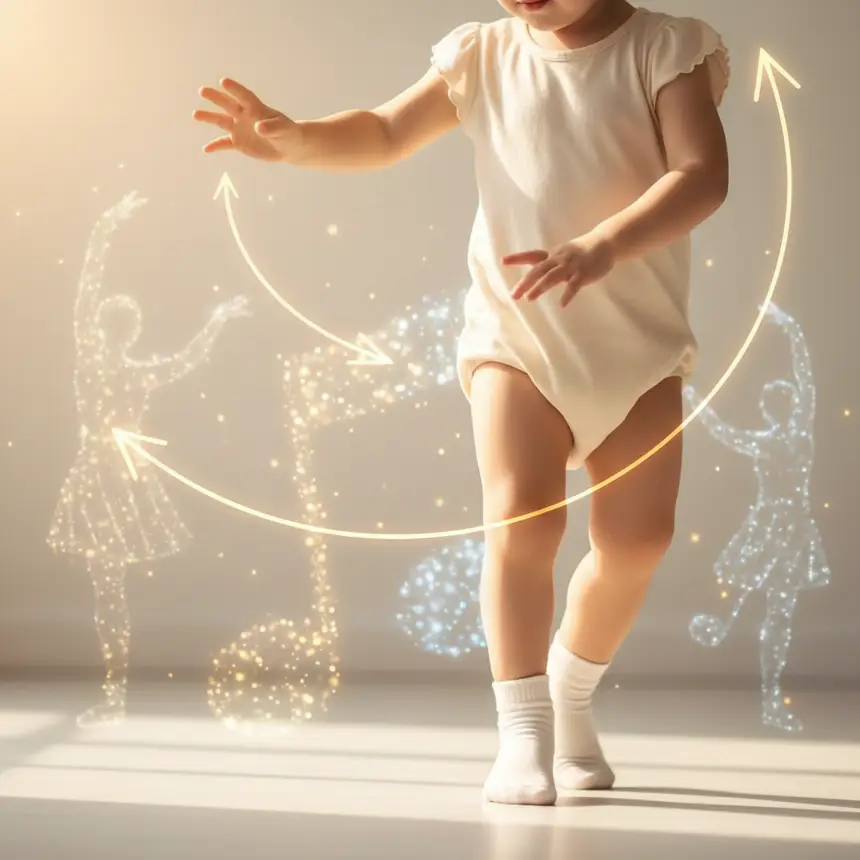
Toddler ballet classes offer much more than just learning graceful movements; they actively stimulate a child's multifaceted development. A typical class often begins with a welcoming routine and gentle warm-up exercises, designed to help children settle in and focus their energy. Following this, fundamental ballet positions are introduced through playful methods, encouraging children to understand their body parts and how they move.
- For instance, learning to round their arms downwards, bring them forward, or lift them overhead helps develop body awareness, flexibility, strength, and a crucial sense of balance. Integrating these movements with familiar songs or engaging stories keeps children captivated and sparks their imagination. Activities like mimicking friendly animals or becoming a character in a dance narrative allow children to naturally grasp new movements and express themselves creatively.
- Furthermore, various props used in class, such as colorful scarves or small plush toys, encourage fine motor skill development and imaginative play. As children follow the instructor's cues and perform movements alongside their peers, they also naturally develop social skills and cooperation. Through these sequential activities, young learners gain a better understanding and control over their bodies, significantly boosting their overall athletic abilities.
- When choosing a toddler ballet program, it’s wise to look for one that goes beyond rigid instruction, instead focusing on integrating imaginative play and movement in an age-appropriate way to truly support your child’s holistic development.
※ This post contains affiliate links. I may earn a commission at no extra cost to you.


Key Considerations for Starting Toddler Ballet: Age and Readiness Tips
While cultural center toddler ballet offers numerous benefits, it's helpful to consider a few points before enrollment. Generally, many ballet classes are designed for toddlers aged 36 to 48 months. At this stage, it's common to find parent-child participatory classes, which can greatly assist children in adapting to a new environment and building rapport with instructors and classmates.
- As children approach four years old (or around their fourth birthday), many programs transition to independent classes where children attend without a guardian. This can be a wonderful opportunity to foster a child's independence and improve their focus. It's important to assess your child's readiness—can they comfortably engage in activities for about 40 minutes without direct parental presence? Some children might need more time to adjust, so opting for a parent-accompanied class initially or allowing a generous adaptation period can be a smart approach.
- Moreover, contrary to the misconception that ballet is exclusively for girls, it's incredibly beneficial for boys too. Ballet strengthens core muscles and promotes gross motor skill development, enhancing overall body balance and athletic prowess. For children who tend to slouch or struggle with weight shifting, toddler ballet can offer significant help in posture correction and developing proper body alignment. This activity provides an enriching opportunity for all children, regardless of gender, to enjoy movement and improve their physical capabilities. Prioritizing your child's interest and developmental stage should guide your decision.
Frequently Asked Questions
Q. What's the ideal age to start toddler ballet classes?
A. Classes are often available for toddlers aged 36 to 48 months. Depending on your child's temperament, you can begin with parent-child classes and gradually transition to independent participation as they become more comfortable.
Q. Can boys participate in toddler ballet classes?
A. Absolutely! Toddler ballet offers numerous benefits for all children, regardless of gender, including enhanced gross motor skills, body balance, and flexibility. Boys can certainly enjoy and thrive in these classes, developing their physical abilities.
Q. How do cultural center toddler ballet classes help with my child's development?
A. Toddler ballet promotes a child's physical coordination, balance, flexibility, and gross motor skill development. Additionally, moving to music helps foster self-expression, and group activities contribute to improved social skills and concentration.
Q. What if my child isn't interested in ballet?
A. It's perfectly fine if they don't follow perfectly at first. Try choosing classes that use familiar music, stories, or various props to spark their interest. The key is to create an enjoyable environment for participation rather than forcing them.