Discover practical tips for managing healthy diets for growing elementary school children. Support your child's physical and cognitive development with balanced nutrition and good eating habits.

Why Healthy Eating Matters More During School Breaks for Growing Kids
While children are constantly growing and developing throughout the year, school breaks often bring significant shifts in daily routines and, consequently, eating habits. With kids spending more time at home instead of school, parents frequently face the added pressure of preparing multiple meals and snacks daily. During these periods, convenience can sometimes override nutritional balance, potentially impacting a child's growth and development. Providing adequate nutrients during these crucial years, when growth hormones are active, is essential for building a strong body and a sharp mind. Let's explore why diet management is so vital for your child's healthy progression and what common challenges parents might encounter.
Unlocking Your Child's Potential: Practical Steps for Balanced Nutrition
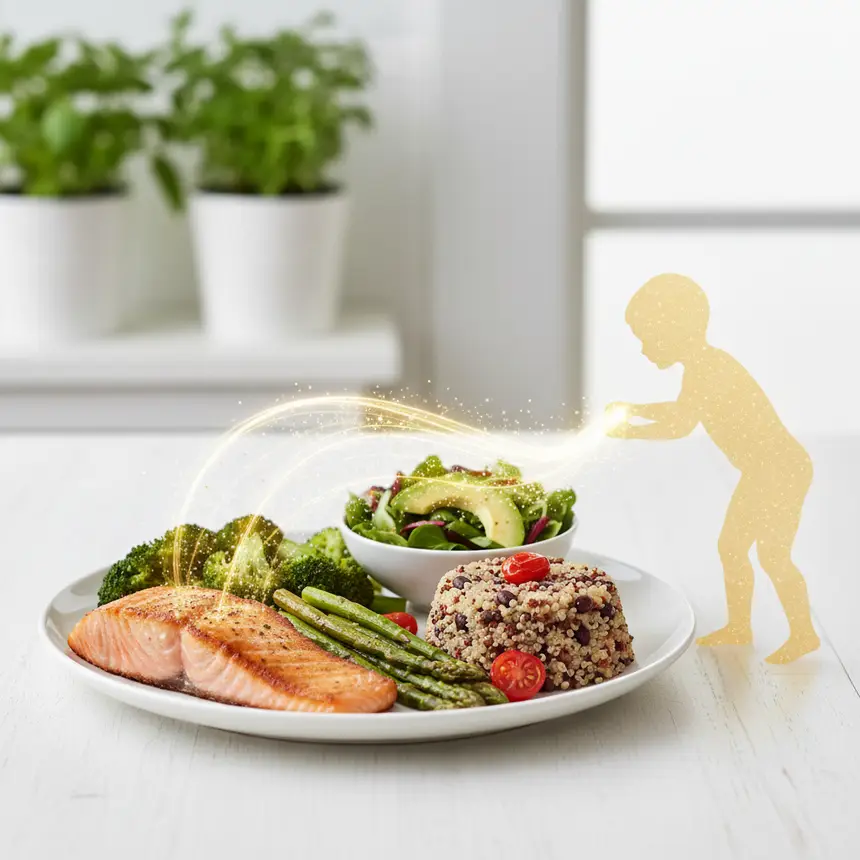
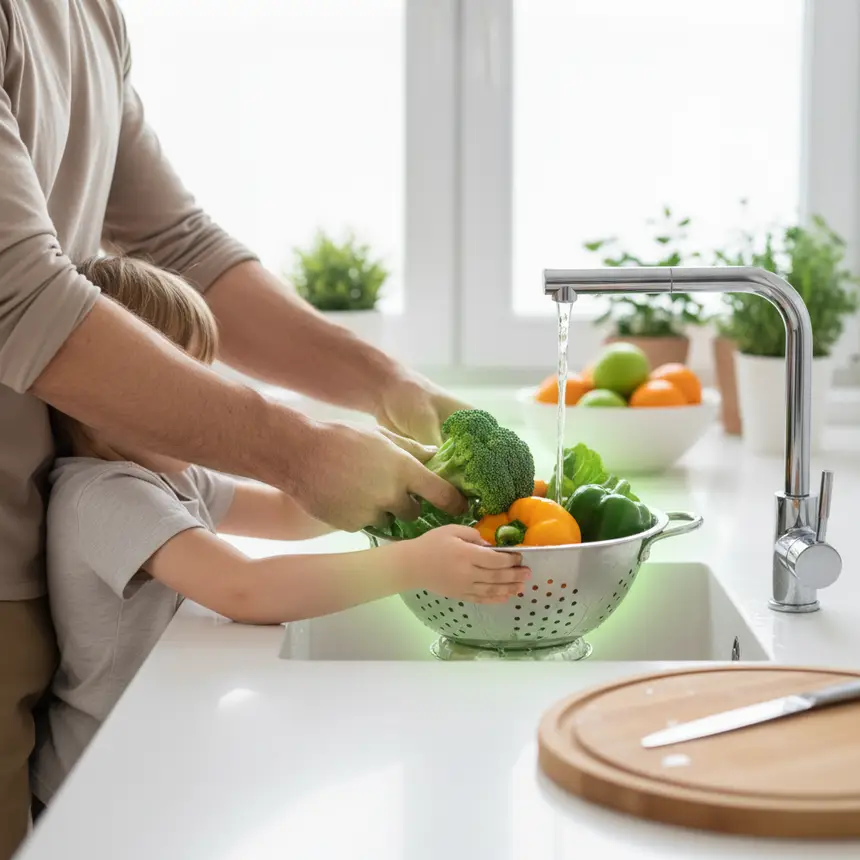
For children's diets, the balance of nutrients is far more crucial than focusing on specific foods. It's about ensuring a wide array of food sources provide proteins, carbohydrates, fats, vitamins, and minerals. For instance, during the growth phase, protein intake is vital for bone and muscle development. Incorporating lean meats, fish, legumes, and eggs as quality protein sources into meals is highly recommended. Complex carbohydrates and healthy fats are equally indispensable for brain function. Whole grains, brown rice, potatoes, and sweet potatoes offer sustained energy, while nuts and seeds provide essential fatty acids. Additionally, make sure your child consumes a variety of colorful fruits and vegetables daily to replenish vitamins and minerals. Especially in warmer months, proper hydration is key; encourage plenty of water intake, and consider soups or water-rich fruits as supplementary sources. Planning meals ahead and involving your child in grocery shopping or simple cooking tasks can significantly foster healthy eating habits.
※ This post contains affiliate links. I may earn a commission at no extra cost to you.

Consistency is Key: Nurturing Your Child's Healthy Eating Habits
A diet that supports your child's healthy development isn't a one-time event but rather the result of consistent effort. It's best to minimize processed foods and sugary drinks or snacks. While these items might offer temporary satisfaction, they can lead to nutritional imbalances and long-term health issues. Providing home-cooked meals made with fresh, wholesome ingredients is always the best approach. Though it might seem challenging to prepare perfect meals every day amidst a busy schedule, these small, consistent efforts lay a strong foundation for your child's lifelong health. Making mealtime a joyful family experience, where food conveys care and love, is also important. Remember that healthy eating habits contribute not only to physical development but also to emotional stability and positive self-image. Why not start making small changes today to build a healthy future for your child?
Frequently Asked Questions
Q. What are the most crucial nutrients for elementary school children?
A. During elementary school, rapid bone and muscle growth and brain development are key. Therefore, protein, calcium, Vitamin D, and iron intake are particularly vital. It's important to encourage consumption of these nutrients from various food groups.
Q. How can I encourage my picky eater to try new foods?
A. Picky eating is common, and it's best to approach it with various strategies rather than force. For instance, finely chopping disliked vegetables and mixing them into other dishes, or involving your child in cooking to build familiarity, can be effective. A consistent and positive approach is key.
Q. What are some efficient meal prep tips for busy parents?
A. Meal prepping, where you plan your menu and prepare ingredients on weekends, can be a great help. Cooking large batches and portioning them for storage, or utilizing frozen ingredients, are good ways to save time. Incorporating a variety of recipes can also keep meals interesting.
Q. What kind of snacks are best for a child's growth and development?
A. Snacks should complement main meals, so choose nutritious options like fresh fruits, vegetable sticks, nuts, and dairy products (like yogurt). Avoid processed snacks or those high in sugar, and offer snacks 1-2 hours before meals to prevent interference with main meal consumption.
Q. Does a child's diet truly impact their cognitive development?
A. Yes, a child's diet significantly influences brain development. Nutrients like Omega-3 fatty acids (found in fatty fish, nuts), antioxidant vitamins (from vegetables, fruits), and complex carbohydrates (from whole grains) can activate brain function and help improve concentration and learning abilities. A balanced nutritional intake is fundamental for healthy cognitive development.