A guide to healthy snack choices for active elementary schoolers. Discover low-sugar options that balance nutrition, boost energy, and support concentration for growing children.

Why Smart Snack Choices Matter for Active Elementary Schoolers
As children transition into elementary school, their daily routines often become packed with more physical and mental activities, leading to a significant increase in their energy demands. Unlike preschool, where structured snack times are common, elementary school schedules frequently leave a "snack gap" between meals. This shift means that children, who previously enjoyed five eating occasions a day (three meals and two snacks), might now experience hunger pangs before lunch or after school. When kids feel overly hungry, it can affect their concentration and overall mood. Providing thoughtfully chosen, healthy low-sugar snacks can bridge these nutritional gaps, supplying consistent energy for their active bodies and developing minds. This strategic approach to snacking supports sustained focus in the classroom and fosters positive emotional well-being throughout their busy day.
Selecting Nutrient-Rich, Low-Sugar Snacks for Growing Children
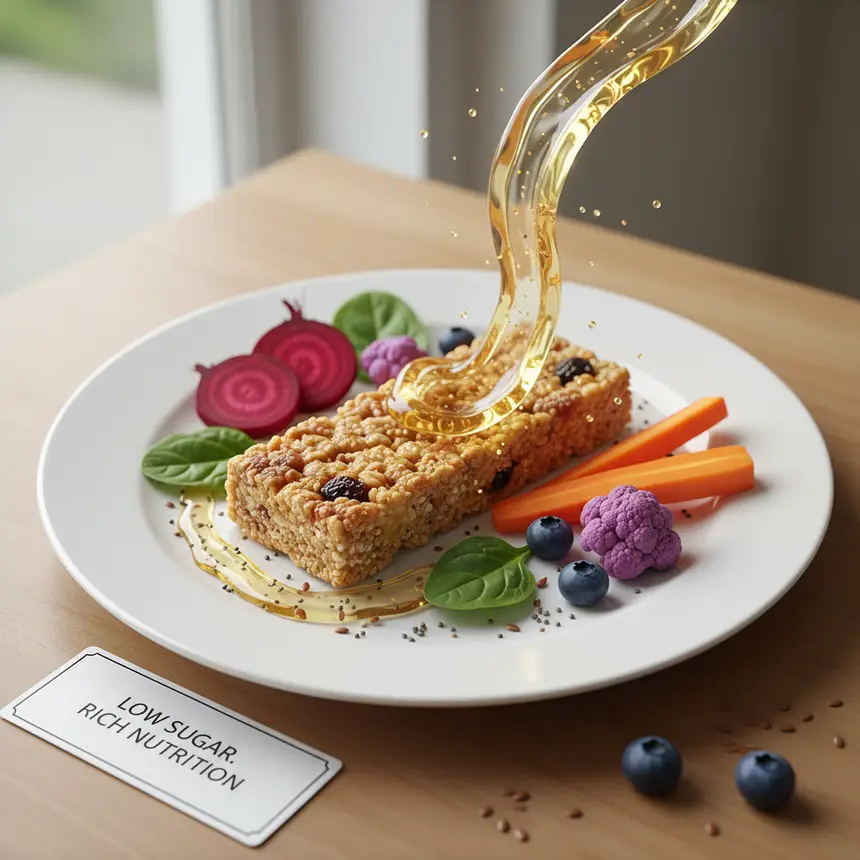
Choosing the right snacks to support your child's growth and vitality requires a discerning eye. Firstly, it's crucial to scrutinize the sugar content. Excessive sugar consumption can lead to rapid blood sugar spikes, followed by crashes that leave children feeling sluggish and irritable. Secondly, prioritize snacks rich in protein, fiber, and a wide array of vitamins and minerals. For instance, options that incorporate plant-based proteins and nutrient-dense ingredients like beetroot, lotus root, or seaweed extracts can effectively deliver essential nutrients vital for growing bodies. Remember, a snack's nutritional value is only beneficial if your child actually enjoys eating it, so look for appealing textures, such as soft and chewy. Furthermore, for peace of mind, opt for snacks that are individually wrapped for hygiene and convenience, and ensure they meet recognized food safety standards.
※ This post contains affiliate links. I may earn a commission at no extra cost to you.


The Joy and Peace of Mind in Healthy Snacking for the Whole Family
Beyond simply curbing hunger, snacks play a pivotal role in nurturing healthy eating habits for elementary school-aged children. Mindfully chosen, nutritious snacks are especially beneficial for active kids who need extra fuel, or for those experiencing snack gaps during their school day. They can also be a game-changer for picky eaters, offering a palatable way to introduce vital nutrients from vegetables and other beneficial ingredients. For busy parents, particularly those who work, having easy-to-access, individually packed snacks provides a sense of security, knowing their child can independently grab a healthy option when hunger strikes after school. These smart snacking principles aren't just for kids; they can also serve as healthy, convenient options for adults needing an afternoon boost, contributing to a healthy eating culture for the whole family. Empowering children to make good snack choices is key to long-term well-being.
Frequently Asked Questions
Q. Why are snacks so important for elementary school children?
A. Elementary school children are in a critical growth phase, requiring substantial energy for physical activity and brain development. Healthy snacks supplement their main meals, providing essential nutrients and sustained energy throughout their busy days.
Q. What should I look for when choosing healthy snacks for my child?
A. Prioritize snacks that are low in added sugars and rich in vital nutrients like protein, fiber, and vitamins. It's also crucial that the snack has an appealing taste and texture so your child will actually enjoy eating it.
Q. My child is a picky eater. How can I get them to eat healthy snacks?
A. Try snacks that incorporate vegetables or grains in hidden ways, or those with flavors and textures your child already enjoys. Involving your child in choosing and preparing snacks can also increase their willingness to try new options.
Q. Do you have any quick snack tips for busy parents?
A. Opt for individually packaged snacks that are easy to store and carry. Pre-portioning fruits, nuts, or homemade snacks on weekends can also save time. Look for options that store well at room temperature or are easy to refrigerate/freeze.
Q. I'm worried that low-sugar snacks won't taste good.
A. Modern low-sugar snacks often use natural sweeteners and high-quality ingredients to deliver delicious flavors and satisfying textures, making them just as enjoyable as their sugary counterparts. Experiment with different options to find what your child loves.