Worried about your child's elementary school meals? Discover how balanced nutrition impacts their growth and development, find solutions for picky eating, and get practical tips for healthy meal planning.

Are Mealtimes a Daily Struggle in Your Home?
As a new school year begins, many parents find themselves grappling with mealtime dilemmas for their elementary-aged children. Questions like "What should I pack for lunch today?", "What if they don't eat it?", or "Are they getting enough nutrients?" echo in countless homes. This stage of rapid growth makes balanced nutrition especially crucial for young students. Unfortunately, common habits like picky eating or an aversion to vegetables can significantly hinder a child's healthy development. A lack of essential energy and nutrients can lead to various issues, including reduced focus at school, a weakened immune system, and hindered physical growth. Parents often ponder how to best structure their children's diets to ensure they remain energized and thrive in their daily activities. Crafting a diverse and nutritionally sound elementary school meal plan every day is challenging, yet it represents a vital investment in a child's future well-being.
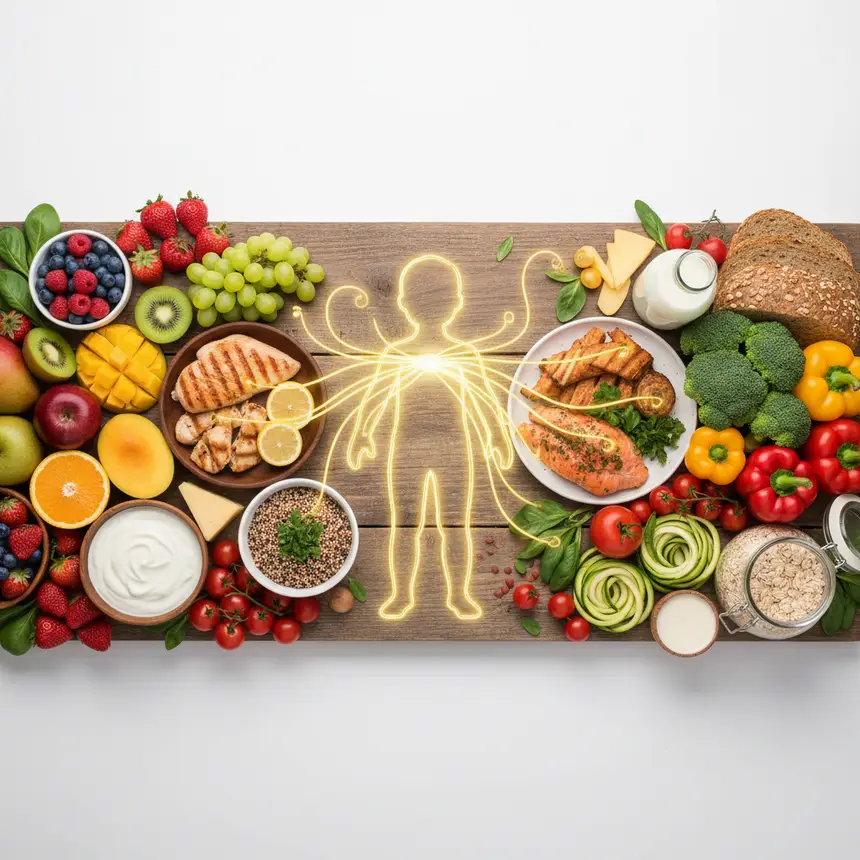
The Impact of Balanced Nutrition on Child Growth and Practical Meal Strategies
A child's growth encompasses more than just height; it's intricately linked to cognitive development, immune strength, and overall health, stemming directly from a balanced diet. Elementary students need a consistent supply of proteins, calcium, vitamins, and minerals for bone, muscle, and brain development. Nutritional deficiencies, often from selective eating, can slow growth and weaken immunity. Here are key dietary strategies for your child's healthy development:
- Diverse Protein Sources: Lean meats, fish, legumes, and eggs are essential for muscle growth and boosting immunity. Omega-3s in fish are great for brain development; serve deboned for ease of eating.
- Colorful Fruits & Vegetables: Include a rainbow of vitamin-, mineral-, and fiber-rich produce daily. Use varied colors like broccoli and bell peppers. Fruits make healthy snacks. For veggies like eggplant, try chopping finely into rice or blending into sauces creatively.
- Complex Carbohydrates: Whole grains, brown rice, and potatoes provide sustained energy, helping maintain activity and concentration. Choose these over refined carbs.
- Healthy Fats: Nuts, avocados, and olive oil aid brain development and vitamin absorption. Appropriate intake is crucial for growth.
- Enjoyable Mealtimes: Foster positive meal experiences by using fun dinnerware or involving children in cooking. Minimize processed foods, prioritizing fresh, home-cooked meals.
※ This post contains affiliate links. I may earn a commission at no extra cost to you.


Practical Tips and Considerations for Managing Elementary School Meals
Successfully managing your child's elementary school meal plan requires consistency and a thoughtful approach. Here are practical tips and considerations to help parents navigate common challenges:
- Meal Planning: A weekly meal plan helps balance nutrition and reduces preparation stress. Rotate ingredients to expose your child to various tastes and textures.
- Overcoming Picky Eating: If your child dislikes certain foods, don't give up. Try different cooking methods. Finely chop vegetables into stir-fries or blend them into sauces. Start with small portions and gradually increase.
- Smart Snacking: Offer nutritious snacks like fruits, nuts, or yogurt instead of sugary treats. Avoid excessive snacking before meals and manage timing carefully.
- Regular Meal Habits: Consistent meal times promote healthy digestion and body rhythms. Family meals teach proper table manners and healthy eating habits naturally.
- Avoid Force-Feeding: Forcing or scolding a child about eating can create negative associations. Encourage and support them to enjoy their food. If severe nutritional imbalance is suspected, professional consultation is advisable.
Frequently Asked Questions
Q. My child strongly dislikes certain vegetables. What can I do?
A. Instead of forcing them, try incorporating disliked vegetables finely chopped into dishes like fried rice, soups, or sauces. You can also cook them with other foods your child enjoys. Repeated exposure through various cooking methods can help them gradually get used to the taste.
Q. What are some appropriate snacks for elementary school children?
A. Opt for fresh fruits, a small handful of nuts, plain yogurt, hard-boiled eggs, or milk. Snacks should bridge the gap between meals without being overly sweet or filling, which could spoil their appetite for main meals.
Q. I find it challenging to plan nutritionally balanced meals every day. Any tips?
A. Create a weekly meal plan. Aim to include carbohydrates, proteins, and vegetables in each meal. Varying the main ingredients each day can prevent monotony. Flexibility is key; if one meal lacks a certain nutrient, you can make up for it in the next meal or snack.
Q. My child takes too long to eat or gets easily distracted during meals. What should I do?
A. Check if your child has had too much activity or too many snacks before mealtime. Establish a consistent meal duration (e.g., 20-30 minutes) and eliminate distractions like TV or smartphones to help them focus solely on eating.
Q. It's impossible to avoid all instant foods. How should I manage their consumption?
A. Instant foods can be occasional treats, but primarily focus on fresh, home-cooked meals. When you do serve instant foods, try to supplement them with additional vegetables or choose options with lower sodium content to mitigate potential downsides.