A baby's first words are a joy and a vital developmental milestone. This article guides parents on their role in supporting infant language development, effective interaction strategies, and practical tips for encouraging those precious first words in daily life.

The Profound Significance of Early Language Acquisition in Infants
A baby's first word is far more than just a sound; it marks a monumental milestone in their journey to understand the world and connect with others. This initial phase of language development profoundly influences an infant's cognitive abilities, emotional bonding, and social skills, laying the groundwork for their overall growth. Active engagement and responsive interaction from parents are crucial in fostering a child's delight in language and encouraging their innate desire to express themselves. Much like a tiny seed unfurling its first sprout, the emergence of a first word opens a pathway for the child to connect with the broader world, unlocking boundless possibilities for future learning and communication. During this process, children explore their environment and discover unique ways to interact with the world around them. These early linguistic experiences are vital in forming complex neural networks in the infant's brain, establishing a robust foundation for subsequent learning and problem-solving skills.
Effective Interaction Strategies to Boost Infant Language Skills
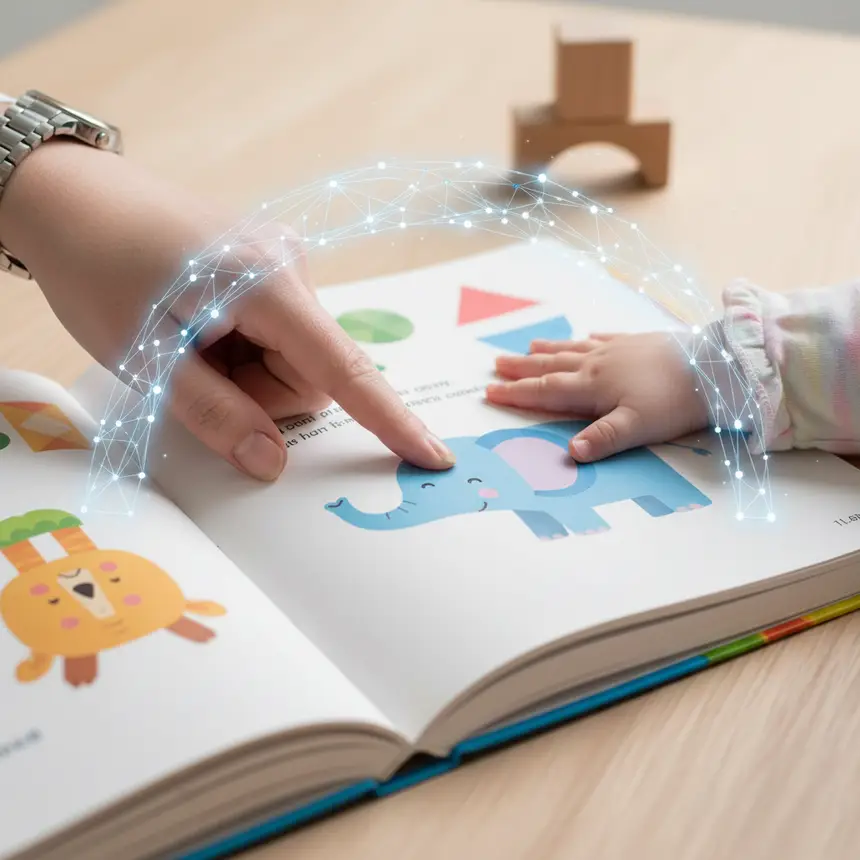
To effectively support your child's language development, it's essential to create diverse opportunities for interaction within daily life. Beyond simply talking to your baby, practice making eye contact, speaking slowly, and articulating clearly. For instance, if your child points to an object, you might say, "Yes, that red apple looks delicious!" thereby describing both the object's name and its characteristics. When reading picture books, try mimicking character voices or pointing to illustrations to bring the story to life. If your baby babbles, respond by saying, "Oh, really?" or "What are you trying to tell me?" to teach them the joy of conversation. Consistently offering positive reactions to their sounds and gestures helps children naturally understand that expressing themselves is a fun and meaningful activity. During playtime, singing songs or performing fingerplays together can link language with physical activity. Such consistent and enjoyable interactions significantly contribute to expanding a child's vocabulary and developing their sentence-forming abilities.
※ This post contains affiliate links. I may earn a commission at no extra cost to you.

Integrating Language Encouragement into Everyday Routines
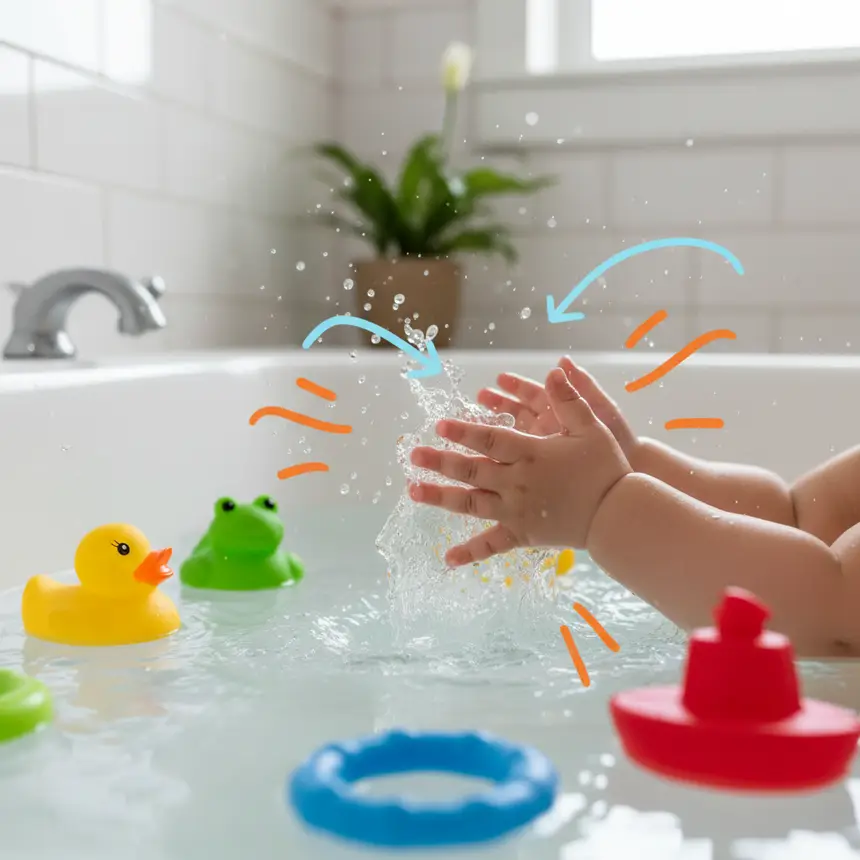
Specific techniques to help your baby begin speaking can be seamlessly woven into your daily routines. During mealtimes, discuss the names and flavors of the foods your child is eating. At bath time, splash water and repeatedly use words like "water" or "splash." When you're out and about, point out objects and scenery, adding descriptive explanations like "Look! A big tree there," or "What a pretty flower." When playing with your child's favorite toys, continuously talk about the toy's name, color, or role to effectively boost their vocabulary. For example, during block play, you might say, "Shall we stack the red block?" or "Let's build it high!" Using action-related words helps children understand and imitate language more easily. Even if your child pronounces a word imperfectly, immediately praise and encourage them to build their confidence. A parent's joyful and consistent communication and responsiveness serve as the most powerful motivators for a child's linguistic growth.

Respecting Individual Development and What to Watch For
It is crucial to understand and respect that there's a wide range in children's language development speeds. Some children may start speaking early, while others might take a bit longer to utter their first words. Most infants typically begin speaking their first words around 12 months, with vocabulary rapidly expanding around 18 months, and some forming two-word phrases by 24 months. However, these are general benchmarks, and slight variations are perfectly natural. If your child shows no first words by 18 months or rarely expresses themselves through sounds or gestures, it's advisable to consult with a developmental specialist for guidance. Furthermore, instead of rushing or pressuring your child to speak, create an encouraging environment that fosters their intrinsic motivation to communicate. Genuinely celebrating and responding to every small linguistic achievement your child makes will be a huge boost to their development. The key during this period is not to compare development or feel anxious, but to help your child be exposed to language naturally in a comfortable and enjoyable setting. By understanding and respecting your child's unique characteristics and showering them with love and attention, they will naturally open the door to language at their own pace.
Frequently Asked Questions
Q. What is the average age for a baby to start saying their first words?
A. Generally, babies start saying their first words around 12 months of age. However, there's a wide range of individual differences, so it can be normal for a child to not say their first word until closer to 18 months.
Q. What activities can help promote my child's language development?
A. Engaging in frequent conversations with eye contact, regularly reading picture books, and actively responding to their babbling are crucial. Also, identify objects by name in daily life and frequently use action-related words.
Q. What should I do if I'm concerned my baby isn't talking yet?
A. If your child hasn't said any first words by 18 months, or rarely communicates through sounds or gestures, it's a good idea to consult with a pediatric developmental specialist to assess their progress and receive appropriate advice.
Q. Should I correct my child if they mispronounce a word?
A. Instead of directly correcting a child's mispronunciation, it's better to naturally provide the correct pronunciation by repeating the word clearly. For example, if your child says 'wawa' for water, you can respond with 'Yes, do you want some water?'
Q. How does a bilingual environment affect a baby's language development?
A. Children exposed to a bilingual environment might start speaking their first words slightly later than those exposed to only one language. However, in the long term, they tend to become fluent in both languages and show positive cognitive development. Consistent and steady language exposure is key.