Your child's oral health is a key concern for parents. Discover a comprehensive guide to toddler cavity prevention and healthy oral hygiene habits to protect your child's bright smile. From analyzing unexpected causes like mouth breathing to practical, multi-faceted solutions, learn more today.

H2. Navigating the Ongoing Challenge of Your Child's Oral Health
Every parent who diligently oversees their child's daily brushing routine likely shares a common concern: the recurring issues of cavities and bad breath. Despite consistent efforts with brushing twice a day and regular dental check-ups, hearing news of a new cavity or noticing an unpleasant odor from your child's mouth can be incredibly frustrating. The primary teeth play a crucial role in laying the foundation for lifelong oral health, making these issues even more worrisome for parents. This isn't just an isolated struggle for a few families; it's a shared challenge for many. Are there aspects of their oral care we might be overlooking in our quest to protect our child's radiant smile?

H2. Uncovering the Unexpected Causes of Cavities and Bad Breath
When it comes to children's persistent oral health issues, such as a high cavity rate or chronic bad breath, there might be underlying reasons beyond just brushing habits. Often, the habit of mouth breathing during sleep, frequently caused by nasal congestion or allergic reactions, can be a significant contributing factor. The nose and mouth are interconnected pathways; when nasal breathing is obstructed, a child naturally resorts to breathing through their mouth. This mouth breathing can easily lead to a dry mouth. Saliva plays a vital role in washing away oral bacteria and regulating the mouth's pH levels. A decrease in saliva production creates an ideal environment for harmful bacteria to flourish, significantly increasing the risk of cavities and contributing to unpleasant breath. Therefore, alongside daily oral hygiene, it's essential to observe your child's breathing patterns closely.
※ This post contains affiliate links. I may earn a commission at no extra cost to you.

H2. Comprehensive Solutions for a Thriving Oral Environment
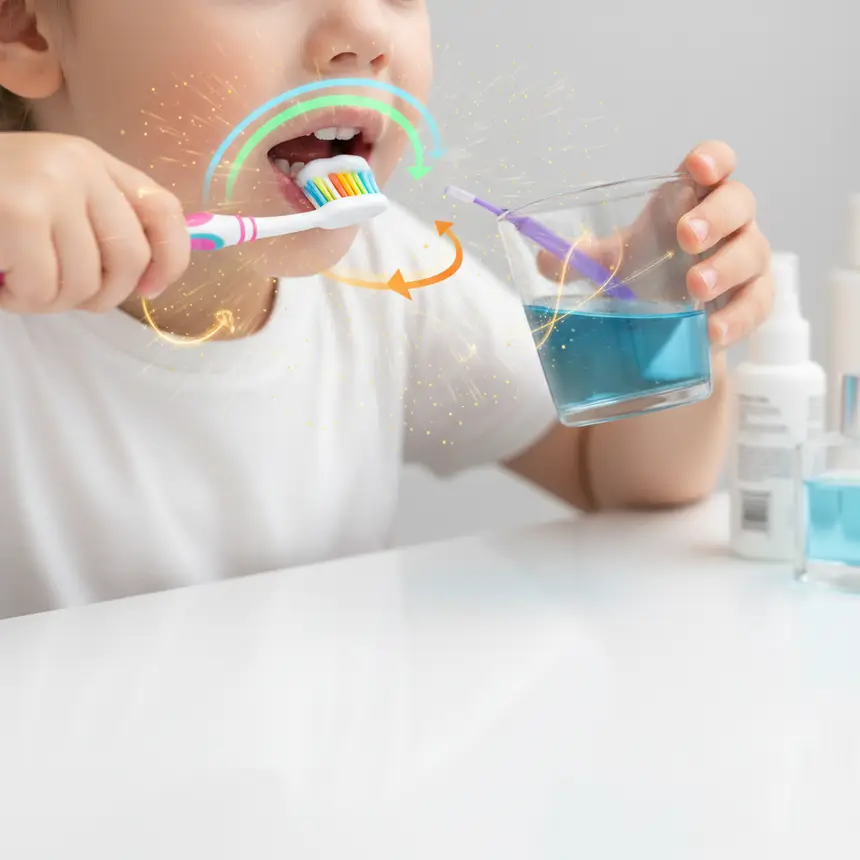
To truly safeguard your child's oral health, regular brushing alone might not suffice. Complementary methods are necessary to effectively clean all areas of the mouth, including between teeth, the tongue, and gums, which toothbrushes often miss. Here are practical strategies for fostering a healthy oral environment:
- Establish Proper Brushing Habits: For children under six, use a pea-sized amount of toothpaste and teach them not to swallow it. For older children, choose toothpaste with appropriate fluoride content and encourage brushing at least twice daily.
- Utilize Supplemental Oral Care Products: After brushing, incorporate dental floss or child-friendly oral rinses to clean those hard-to-reach areas. When selecting an oral rinse, look for products containing various components that help inhibit the activity of harmful microorganisms and protect tooth surfaces. For instance, consider those with ingredients similar to the natural composition of tooth enamel to support its integrity, or those designed to selectively manage the growth of undesirable bacteria. It's crucial to choose alcohol-free formulations with mild, appealing flavors to ensure your child accepts and consistently uses them.
- Improve Dietary Habits: Minimize sugary snacks and drinks, opting instead for fiber-rich foods like fruits and vegetables. Encouraging your child to rinse their mouth with water after meals can also help remove food particles.
- Regular Dental Check-ups: Visiting the dentist at least every six months for professional examinations and cleanings is the most effective way to detect and prevent cavities and gum disease early on.
H2. Nurturing a Bright Smile Through Consistent Action
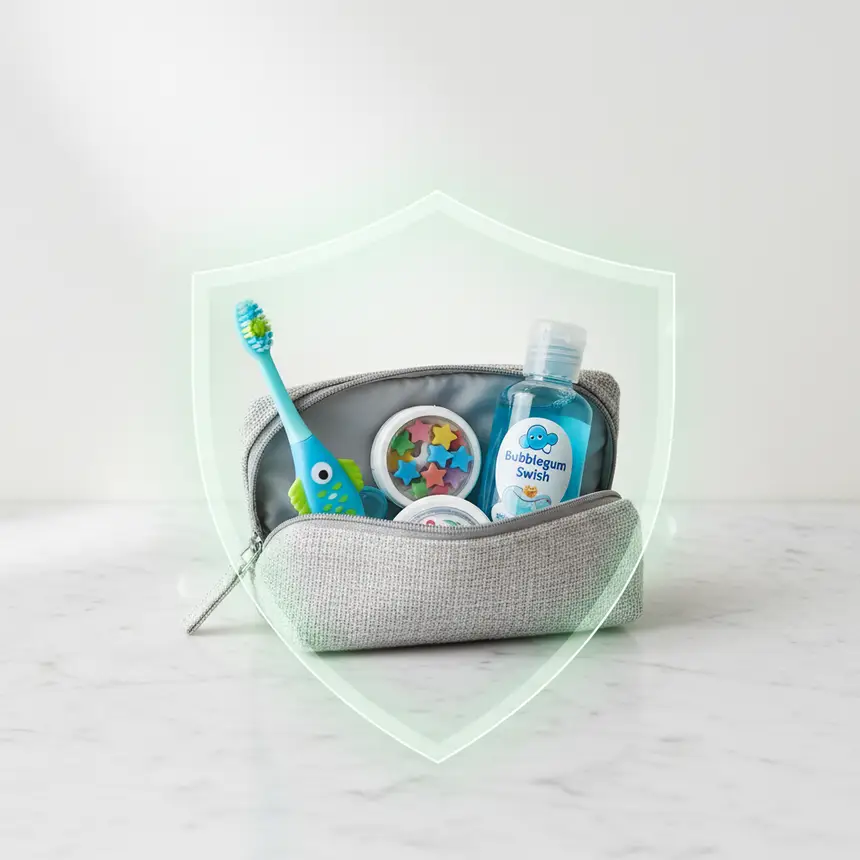
Maintaining a child's oral health effectively requires more than a single approach. It's a harmonious blend of proper brushing habits, appropriate use of supplementary oral care products, healthy dietary choices, and regular dental visits. It's especially challenging to maintain oral hygiene during busy days, outings, or travel. In such situations, having portable oral care products, like a small tube of toothpaste or a travel-sized children's oral rinse, can be a great practical solution. This allows your child to easily rinse their mouth after snacks or meals. A parent's consistent care and dedication are the greatest forces in protecting a child's oral health. Starting today, create a more enjoyable and healthy oral care routine with your child, giving them the gift of a bright and confident smile.
Frequently Asked Questions
Q. My child brushes diligently, but still gets cavities. Why?
A. Beyond brushing, various factors can contribute, such as mouth breathing, inconsistent eating habits, or dry mouth. Specifically, sleeping with an open mouth can dry the oral environment, making it conducive for cavity-causing bacteria. Observe your child's daily habits.
Q. At what age can children start using an oral rinse?
A. Children can typically start using an oral rinse once they are able to reliably spit out liquid, usually around age six. It's important to choose a mild product that your child will readily accept and use without discomfort.
Q. How can I manage my child's bad breath?
A. First, ensure proper brushing and tongue cleaning habits, and use dental floss or an oral rinse to reduce harmful bacteria in the mouth. Mouth breathing due to nasal congestion can also be a cause, so address any breathing issues. Adequate hydration also helps.
Q. What should I look for when choosing an oral rinse for my child?
A. Opt for alcohol-free and fluoride-free products that do not contain harsh or irritating ingredients. Consider products that help protect teeth by containing substances similar to tooth components or ingredients effective in managing harmful bacteria. Choosing a flavor your child enjoys will encourage consistent use.
Q. How do I maintain my child's oral hygiene when we're out?
A. When away from home, especially with frequent snacking, brushing isn't always feasible. It's a good practice to carry a small, portable toothbrush or child-friendly oral rinse so your child can easily rinse their mouth after meals or snacks.