A guide for new parents worried about newborn green stool, loose stool, and diarrhea. Learn about the various causes of baby's bowel movements, criteria to distinguish normal loose stools from diarrhea, and smart coping strategies. Also find practical tips for your baby's healthy bowel habits.

H2. Navigating the Newborn Poop Puzzle: A Parent's Common Concern
For new parents, every subtle change in their infant can be a source of intense focus, and a newborn's stool is no exception. It serves as a vital indicator of a baby's well-being, with its color, consistency, and frequency often sparking joy or worry. While soft, yellowish stools are generally expected, encountering unexpected green stool, a looser consistency than usual, or sudden bouts of infant diarrhea can be quite unsettling. When a baby cannot yet communicate, decoding their health through bowel movements alone can be a significant challenge for first-time parents. Amidst this uncertainty, ensuring their little one is thriving remains every parent's paramount hope.
H2. Unpacking the Reasons Behind Diverse Newborn Stool Patterns
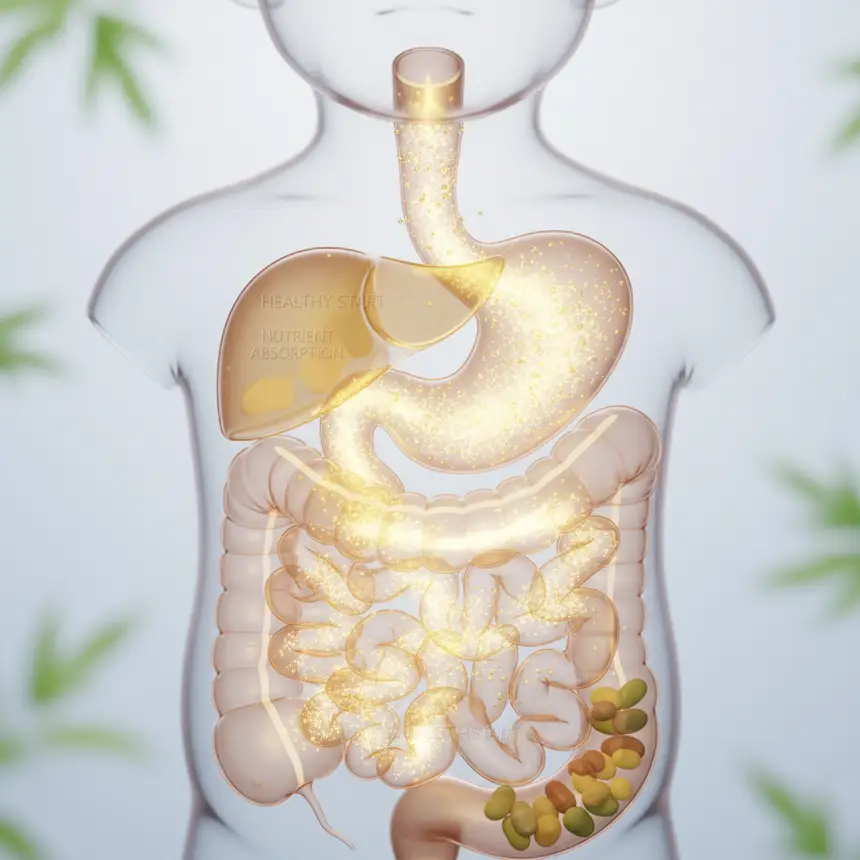
A newborn's digestive system is still developing, which explains why their stool can exhibit such a wide range of appearances compared to adults. These variations are primarily influenced by feeding methods and the baby's developmental stage.
So, what causes the often-alarming green stool in newborns? Green stools can result from several factors:
1. Lactose Imbalance in Breastfeeding: If a baby primarily consumes the watery foremilk (initial milk) and doesn't get enough hindmilk (richer, fattier milk), a lactose imbalance can lead to green stools.
2. Iron-Fortified Formula: Many infants consuming formulas with added iron may pass green stools. This is because unabsorbed iron can give the stool a greenish tint.
3. Immature Digestive Function: A newborn's gastrointestinal tract is still maturing, and incomplete digestion can also result in green-colored stool.
4. Temporary Gut Sensitivity: Mild illnesses, like a common cold, or a temporarily sensitive gut can also lead to green stool. In these cases, if the baby is feeding well, sleeping soundly, and gaining weight consistently, it's usually not a cause for concern.
- Breastfed Babies: Infants who are breastfed typically have frequent, often mustard-yellow to golden-colored, loose stools. This is due to breast milk's high digestibility and lactose content.
- Formula-Fed Babies: Babies on formula usually produce stools that are slightly firmer and less frequent than those of breastfed infants. The specific type of formula can also subtly alter the stool's texture and color.
- Mixed-Fed Babies: For babies receiving both breast milk and formula, their stools can be even more varied, reflecting the characteristics of both feeding types. For example, higher breast milk intake might result in looser stools, while more formula could lead to firmer ones.
So, what causes the often-alarming green stool in newborns? Green stools can result from several factors:
1. Lactose Imbalance in Breastfeeding: If a baby primarily consumes the watery foremilk (initial milk) and doesn't get enough hindmilk (richer, fattier milk), a lactose imbalance can lead to green stools.
2. Iron-Fortified Formula: Many infants consuming formulas with added iron may pass green stools. This is because unabsorbed iron can give the stool a greenish tint.
3. Immature Digestive Function: A newborn's gastrointestinal tract is still maturing, and incomplete digestion can also result in green-colored stool.
4. Temporary Gut Sensitivity: Mild illnesses, like a common cold, or a temporarily sensitive gut can also lead to green stool. In these cases, if the baby is feeding well, sleeping soundly, and gaining weight consistently, it's usually not a cause for concern.
※ This post contains affiliate links. I may earn a commission at no extra cost to you.

H2. Clear Distinction: Loose Stool vs. Infant Diarrhea and When to Seek Advice
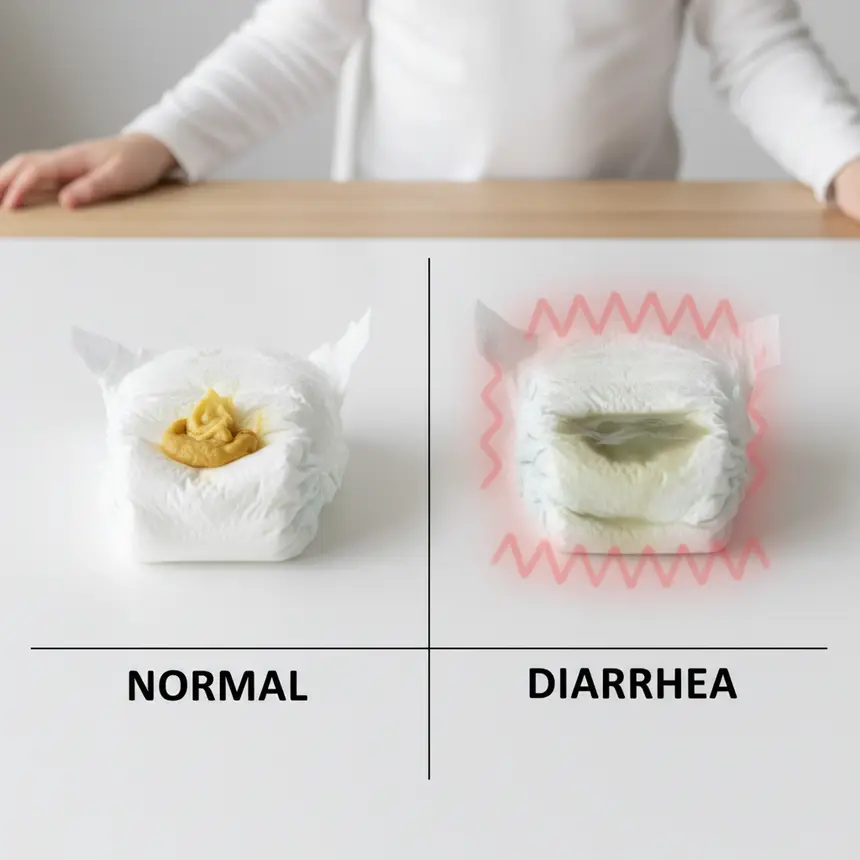
Not all loose stools in newborns indicate diarrhea. Understanding the clear differences between a normal loose stool and actual infant diarrhea is crucial for appropriate action. Here are the key distinctions:
Recognizing these differences is vital. You should consider seeking professional medical advice in the following situations:
1. Presence of blood or significant mucus in the stool: This could indicate an underlying issue in the digestive tract.
2. Abrupt decline in the baby's condition: Signs like lethargy, poor feeding, or increased fussiness.
3. Poor or decreasing weight gain: Suggests potential nutritional imbalance or digestive problems.
4. Diarrhea lasting more than two days or accompanied by a high fever: Poses a significant risk of dehydration and requires immediate medical attention.
5. Significantly reduced urine output: A crucial sign of dehydration that needs prompt observation.
For breastfeeding parents, ensuring your baby nurses long enough to receive the hindmilk is important. For formula-fed infants, verifying the correct formula concentration can be helpful. Furthermore, maintaining strict hygiene for all baby items is essential to prevent unnecessary gut infections.
- Loose Stool (Normal Range):
- Consistency: Absorbent into the diaper but may contain small particles or seed-like specks.
- Frequency: Typically 5 to 10 times a day, maintaining a somewhat consistent pattern.
- Color: Usually yellow, light green, or green, and the baby is generally in good spirits.
- Sounds: No significant straining or unusual noises during bowel movements.
- Infant Diarrhea (Requires Attention):
- Consistency: Very watery, almost like liquid, with few to no solid particles, and may appear mucousy.
- Frequency: A sudden, noticeable increase in bowel movements, often exceeding 10 times a day.
- Color: Can range from green to grayish, or may contain blood or significant mucus. Often accompanied by a fever or a noticeable decline in the baby's overall condition.
- Sounds: May involve unusually loud, watery sounds during bowel movements, or the baby might show signs of significant discomfort.
Recognizing these differences is vital. You should consider seeking professional medical advice in the following situations:
1. Presence of blood or significant mucus in the stool: This could indicate an underlying issue in the digestive tract.
2. Abrupt decline in the baby's condition: Signs like lethargy, poor feeding, or increased fussiness.
3. Poor or decreasing weight gain: Suggests potential nutritional imbalance or digestive problems.
4. Diarrhea lasting more than two days or accompanied by a high fever: Poses a significant risk of dehydration and requires immediate medical attention.
5. Significantly reduced urine output: A crucial sign of dehydration that needs prompt observation.
For breastfeeding parents, ensuring your baby nurses long enough to receive the hindmilk is important. For formula-fed infants, verifying the correct formula concentration can be helpful. Furthermore, maintaining strict hygiene for all baby items is essential to prevent unnecessary gut infections.

H2. Practical Guide for Healthy Bowel Habits in Infants
Your baby's stool serves as a critical health indicator, making consistent parental attention and observation indispensable. By integrating the following practices into your daily routine, you can foster healthy bowel habits for your baby and respond effectively to any potential warning signs.
1. Maintain a Poop Log: Get into the habit of briefly recording your baby's stool color, consistency, frequency, and overall mood daily. This practice is incredibly valuable for quickly spotting changes and providing accurate information to healthcare professionals. Using a simple diary or a note-taking app can be very effective.
2. Prioritize Hygiene: Beyond cleaning your baby's bottom thoroughly during diaper changes and practicing good hand hygiene, it's crucial to regularly sterilize all items your baby might put in their mouth, such as bottles, nipples, and toys. A clean environment is fundamental for maintaining gut health.
3. Ensure Adequate Hydration: When infant diarrhea is suspected, preventing dehydration is paramount. Offer breast milk or formula more frequently and consult with a professional about the potential use of electrolyte solutions. Closely monitor your baby's urine output for any signs of reduction.
4. Consult with Professionals: If any of the red flags mentioned above (blood or mucus in stool, high fever, declining condition, weight loss) appear, or if you feel unable to manage the situation on your own, do not hesitate to seek advice from a healthcare provider. Receiving timely and appropriate guidance in the early stages is crucial for your baby's health.
While your baby's bowel movements can be highly variable, with vigilant observation and appropriate responses from parents, infants can thrive. Instead of succumbing to anxiety, it's most important to act informed and wisely. We extend our full support to all parents on their parenting journey.
1. Maintain a Poop Log: Get into the habit of briefly recording your baby's stool color, consistency, frequency, and overall mood daily. This practice is incredibly valuable for quickly spotting changes and providing accurate information to healthcare professionals. Using a simple diary or a note-taking app can be very effective.
2. Prioritize Hygiene: Beyond cleaning your baby's bottom thoroughly during diaper changes and practicing good hand hygiene, it's crucial to regularly sterilize all items your baby might put in their mouth, such as bottles, nipples, and toys. A clean environment is fundamental for maintaining gut health.
3. Ensure Adequate Hydration: When infant diarrhea is suspected, preventing dehydration is paramount. Offer breast milk or formula more frequently and consult with a professional about the potential use of electrolyte solutions. Closely monitor your baby's urine output for any signs of reduction.
4. Consult with Professionals: If any of the red flags mentioned above (blood or mucus in stool, high fever, declining condition, weight loss) appear, or if you feel unable to manage the situation on your own, do not hesitate to seek advice from a healthcare provider. Receiving timely and appropriate guidance in the early stages is crucial for your baby's health.
While your baby's bowel movements can be highly variable, with vigilant observation and appropriate responses from parents, infants can thrive. Instead of succumbing to anxiety, it's most important to act informed and wisely. We extend our full support to all parents on their parenting journey.
Frequently Asked Questions
Q. When should I be concerned about my newborn's green stool and seek medical advice?
A. Green stool in newborns can be caused by various factors, such as excessive foremilk intake during breastfeeding or iron-fortified formula, and is often normal. However, if you observe blood or mucus in the stool, your baby is feeding poorly, seems lethargic, or is not gaining weight adequately, it's best to consult a healthcare professional.
Q. My baby frequently has loose stools. How can I differentiate this from diarrhea?
A. Loose stools typically soak into the diaper but may contain small particles, and your baby generally seems well. Diarrhea, on the other hand, is very watery with few to no particles, the frequency increases dramatically, and it's often accompanied by a fever or a noticeable decline in your baby's overall condition. Seek professional evaluation if your baby has more than 10 bowel movements a day or watery stools persist for more than two days.
Q. What can I do at home if my newborn has diarrhea?
A. The most crucial step during newborn diarrhea is to prevent dehydration. Offer breast milk or formula more frequently to ensure sufficient fluid intake. Maintain strict hygiene for all baby items and closely monitor your baby's urine output. If you notice any concerning signs like high fever, decreased activity, or bloody stools, seek immediate medical attention.
Q. My breastfed baby is having green stools. What should I do?
A. Green stools in breastfed babies can sometimes indicate a lactose imbalance from consuming too much foremilk. Ensure your baby empties one breast completely before offering the other to ensure they get enough hindmilk. If your baby is feeding well, gaining weight, and seems active and healthy, there's usually no cause for significant concern.