Worried about your child's height? This comprehensive guide, from a pediatric development expert, covers everything from ideal growth plate assessment times to signs of growth plate closure, and smart parenting strategies for height. Discover the importance of balanced nutrition, adequate sleep, and regular exercise for healthy growth, and learn how to maximize your child's growth potential.

Navigating the Worries of Your Child's Height Growth
Every parent shares a common concern: ensuring their child grows up healthy and strong, reaching their full potential. When it comes to height, it's natural to feel anxious if your child seems shorter than their peers, or if their growth appears to slow down after a period of rapid development. A crucial factor in determining a child's final height is the growth plate, which is a layer of cartilage at the end of long bones. While these plates are open, bones lengthen, and children grow taller. Once they close, height growth eventually stops. This guide aims to address parents' common questions about their child's growth plates—whether they are healthy, and when they might begin to close—providing insights into this vital aspect of child development.

Recognizing Signs of Growth Plate Closure and Slowed Height Development
Observing specific physical changes can help parents understand when their child's height growth might be slowing down and when growth plates are nearing closure. Being aware of these indicators allows for timely discussions with healthcare professionals.
If you notice these changes, consulting with a pediatric specialist can provide an accurate assessment of your child's current growth status and help determine appropriate growth support strategies.
- A significant slowdown in height gain, particularly if your child has grown less than 4 centimeters in the past year, is a key signal that warrants attention.
- The onset of distinct pubertal changes is another important sign. For boys, this might include the appearance of underarm hair or facial hair. For girls, it could be approximately one and a half to two years after their first menstrual period. These developmental milestones often coincide with the nearing closure of growth plates.
- When you feel your child's knees or ankles, if the bones feel harder and more defined compared to their previous soft, cartilaginous state, it suggests bone maturation is progressing.
- Changes in body composition, where the body starts to broaden or muscles become more defined rather than contributing to height, can also indicate a shift in growth patterns.
- Considering your own family's growth patterns can provide additional context. If you or other family members experienced similar growth deceleration at a comparable age, genetics might play a role in your child's development.
If you notice these changes, consulting with a pediatric specialist can provide an accurate assessment of your child's current growth status and help determine appropriate growth support strategies.
※ This post contains affiliate links. I may earn a commission at no extra cost to you.


Maximizing Growth Potential and Assessing Bone Maturity
To support your child in reaching their full growth potential, a combination of balanced daily habits and professional guidance when needed is essential. Let's explore key strategies for healthy development and understand the purpose and method of bone maturity assessment, commonly known as a 'growth plate check.'
1. Balanced Nutrition: Ensure your child consumes a diet rich in essential nutrients like protein, calcium, and Vitamin D. Prioritize a variety of vegetables, fruits, dairy products, and lean meats.
2. Adequate Sleep: Growth hormones are primarily secreted during deep sleep. Help your child establish a consistent sleep schedule to ensure they get enough restorative sleep each night.
3. Regular Physical Activity: Appropriate exercise stimulates growth plates and strengthens bones, supporting overall growth. Encourage a routine that includes various activities like jumping, running, and stretching.
To accurately assess the state of a child's growth plates, a bone maturity assessment is typically performed. This usually involves an X-ray of the left wrist. By analyzing the shape and spacing of the small bones in the wrist, a child's 'bone age' can be determined. Comparing this bone age to their chronological age helps predict how much growth potential remains and when growth plates might close. This X-ray procedure is quick, taking only 1-2 minutes, and is completely painless. Occasionally, X-rays of the knee or hip bones may also be conducted.
The ideal time for a bone maturity assessment is when your child begins to show early signs of puberty (e.g., breast bud development in girls, testicular enlargement in boys). An evaluation at this stage can help secure a 'golden window' to address any concerns about potential growth deceleration and explore appropriate growth support measures before growth plates close.
1. Balanced Nutrition: Ensure your child consumes a diet rich in essential nutrients like protein, calcium, and Vitamin D. Prioritize a variety of vegetables, fruits, dairy products, and lean meats.
2. Adequate Sleep: Growth hormones are primarily secreted during deep sleep. Help your child establish a consistent sleep schedule to ensure they get enough restorative sleep each night.
3. Regular Physical Activity: Appropriate exercise stimulates growth plates and strengthens bones, supporting overall growth. Encourage a routine that includes various activities like jumping, running, and stretching.
To accurately assess the state of a child's growth plates, a bone maturity assessment is typically performed. This usually involves an X-ray of the left wrist. By analyzing the shape and spacing of the small bones in the wrist, a child's 'bone age' can be determined. Comparing this bone age to their chronological age helps predict how much growth potential remains and when growth plates might close. This X-ray procedure is quick, taking only 1-2 minutes, and is completely painless. Occasionally, X-rays of the knee or hip bones may also be conducted.
The ideal time for a bone maturity assessment is when your child begins to show early signs of puberty (e.g., breast bud development in girls, testicular enlargement in boys). An evaluation at this stage can help secure a 'golden window' to address any concerns about potential growth deceleration and explore appropriate growth support measures before growth plates close.
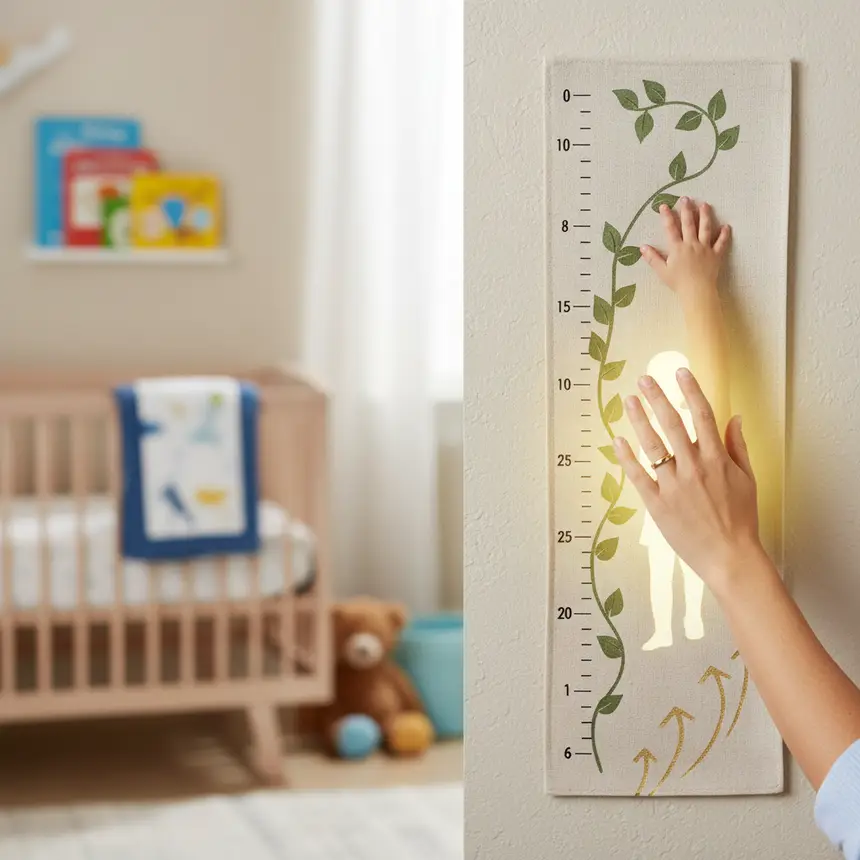
A Parent's Wise Approach and Continuous Engagement in Child Growth
Your child's height growth is more than just a number; it's intricately linked to their overall health, confidence, and future well-being. As parents, it's vital to deeply understand your child's growth journey and adopt a wise approach to support their healthy development through practical methods. The fundamental strategies for height growth—balanced nutrition, sufficient sleep, and regular physical activity—are daily practices that can make a significant difference. Furthermore, if you have questions about your child's growth pattern or notice any specific changes, do not hesitate to consult a pediatric development specialist. They can provide accurate information and appropriate advice tailored to your child's unique needs.
Remember, every child grows at their own pace. Instead of comparing your child to others, focus on understanding and supporting their individual growth curve. Your consistent care and love will not only contribute to their physical height but also positively impact their overall development. Through your warm interest and efforts, your child can grow up healthy and happy.
Remember, every child grows at their own pace. Instead of comparing your child to others, focus on understanding and supporting their individual growth curve. Your consistent care and love will not only contribute to their physical height but also positively impact their overall development. Through your warm interest and efforts, your child can grow up healthy and happy.
Frequently Asked Questions
Q. What are growth plates, and why are they important for height?
A. Growth plates are cartilage layers located at the ends of long bones in children, such as in the arms and legs. These cartilage cells continuously divide and create new bone tissue, causing the bones to lengthen and the child to grow taller. Once the growth plates close, bones can no longer lengthen, and height growth stops, making the period when growth plates are open crucial for a child's final height.
Q. How can I predict when my child's growth plates might close?
A. The timing of growth plate closure varies by individual, but certain signs can offer clues. If your child's height growth slows to less than 4 centimeters per year, or if they exhibit clear signs of puberty (secondary sexual characteristics) and their knee or ankle bones feel harder to the touch, it might indicate that growth plates are nearing closure. For an accurate prediction, a bone maturity assessment (growth plate check) is the most effective method.
Q. When is the best time to get a bone maturity assessment (growth plate check)?
A. A bone maturity assessment is most meaningful when performed before the growth plates close. It's particularly recommended when your child begins to show early signs of puberty (e.g., breast bud development in girls, testicular enlargement in boys). An assessment at this stage allows for early identification of bone age and helps in devising appropriate growth management strategies to maximize your child's growth potential.
Q. What practical steps can parents take to help their child grow taller?
A. To support your child's height growth, three key factors are crucial. First, provide a balanced diet rich in essential nutrients like protein, calcium, and vitamins necessary for growth. Second, ensure they get sufficient sleep each night, as growth hormones are primarily secreted during deep sleep. Third, encourage regular physical activities such as running, jumping, and stretching, which stimulate growth plates and strengthen bones.
Q. What should I do if my child's bone age assessment differs from their chronological age?
A. It's possible for bone age to be either ahead of or behind chronological age. If bone age is advanced, it might suggest earlier growth plate closure, while a delayed bone age could indicate more remaining growth potential. In such cases, it's important to consult with a pediatric development specialist to create a personalized growth management plan that considers your child's overall health and unique growth pattern.