Explore common early indicators of autism spectrum characteristics in young children. This guide provides actionable insights for parents seeking to understand and support their child's unique developmental journey.

When Developmental Milestones Feel Uneven: Recognizing Early Indicators
Every parent experiences moments of wondering if their child's development is on track. It's natural to feel a pang of concern when your little one seems to react differently than peers, struggles with consistent eye contact, or engages in repetitive behaviors. These observations can lead to a deeper quest for understanding your child's unique developmental path. This article aims to shed light on early indicators that might suggest autism spectrum characteristics, explaining how these neurodevelopmental traits can present themselves. Early awareness and thoughtful observation are crucial first steps in supporting your child as they explore and grow at their own pace.

Unpacking Childhood Development: Social Cues, Communication, and Behavior Patterns
The journey of child development is incredibly diverse, with each child unfolding in their own unique way. However, specific areas often warrant a parent's close attention, particularly concerning social engagement, communication styles, and behavioral patterns. Certain observations, often becoming more noticeable by age three, can offer important clues for understanding these developmental characteristics.
- The Intricacies of Social-Emotional and Communicative Growth
- Social Interaction: Pay close attention to how your child initiates or responds to interactions with you and other children. For example, you might notice inconsistent eye contact, a reduced tendency to share enjoyment or expressions, or difficulty engaging in reciprocal play. A lack of pointing or other non-verbal gestures to indicate interest in objects or events can also be a key area for observation. If your child doesn't consistently respond when their name is called, or shows limited emotional reactions to affection, these could be signs to explore further.
- Communication Styles: Variations in language development can range from delayed speech or a complete absence of verbal communication, to using repetitive phrases (echolalia) or an unusual tone of voice. Some children might struggle with understanding figurative language or may give answers that seem unrelated to the question, reflecting a unique way of processing and expressing information.
- Understanding Restricted and Repetitive Behavior Patterns
- Intense Interests: You might observe your child becoming deeply absorbed in specific activities, such as consistently spinning the wheels of a toy car, meticulously lining up objects, or showing an unusually strong attachment to certain items. These behaviors indicate a focused engagement with particular interests.
- Sensitivity to Change: Children with these characteristics might also react strongly to changes in routine or environment, expressing significant distress or resistance. Furthermore, they may display heightened sensitivity to certain sounds, lights, or textures, or conversely, an unusual fascination with specific sensory inputs.
- The Complex Tapestry of Developmental Characteristics
- These developmental characteristics rarely stem from a single cause. Instead, they are understood as emerging from a complex interplay of various factors. Genetic predispositions can play a role, as can influences during pregnancy and birth, along with environmental interactions. Subtle differences in brain connectivity and functional development are also considered crucial elements in understanding these unique traits.
- Empowering Parents: Fostering Interaction and Creating a Supportive Environment
- Understanding your child's development empowers you to provide vital support and engagement. Simple yet powerful actions include engaging in interactive play that encourages eye contact and response, establishing consistent routines for a sense of predictability, and actively participating in activities your child enjoys. If you have ongoing concerns about your child's development, consulting with a pediatrician or a developmental specialist is a wise first step. They can offer valuable insights and guidance tailored to your child's specific needs.
※ This post contains affiliate links. I may earn a commission at no extra cost to you.

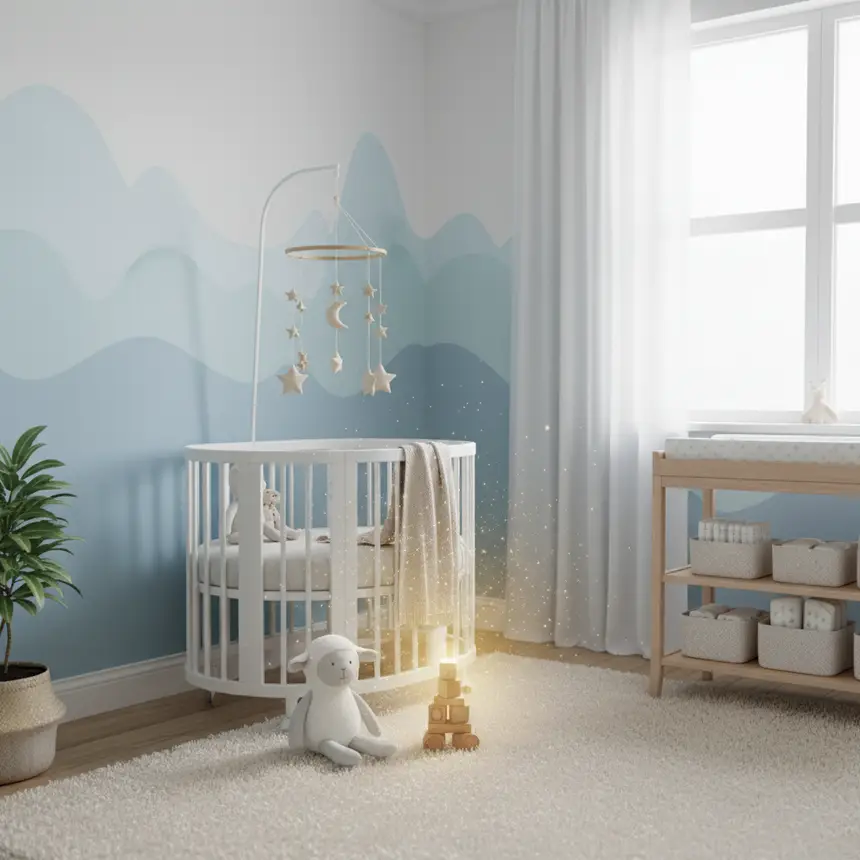
Empowering Parents: Nurturing Your Child's Unique Developmental Path
Your child's developmental journey is a unique adventure, unfolding at its own pace. As a parent, your role is to understand their specific traits, provide appropriate support when needed, and most importantly, offer unwavering love. Rather than rushing to conclusions, sustained observation and positive engagement are key.
- Home-Based Strategies: Active Engagement and Stable Environments
- Engage with your child at their eye level, participating in games and activities they enjoy to foster rich interactive opportunities. Providing a consistent routine and a predictable environment helps your child feel secure. Also, try to identify and encourage their unique strengths and interests, helping them to flourish in areas they naturally gravitate towards.
- A Parent's Observation Checklist
- Consider these questions to help you objectively observe your child's developmental characteristics:
- Does your child consistently respond when their name is called?
- Is eye contact frequent and reciprocal during interactions?
- Does your child use gestures, like pointing, or follow your gaze to communicate?
- Is their language development significantly slower compared to peers?
- Are certain repetitive behaviors (e.g., lining up toys, spinning in circles) persistent and frequent?
- Seeking Professional Support: The Value of Early Consultation
- If your observations lead to persistent concerns, don't hesitate to seek professional guidance. Developmental specialists can accurately assess your child's situation and recommend tailored support strategies. Early understanding and appropriate intervention can significantly enhance your child's growth and their ability to thrive in social settings.
- The Most Important Ingredient: Love and Support
- Remember, your child's greatest needs are your warm love and steady support. Approaching their unique development with understanding and positivity, rather than anxiety, provides the strongest foundation for their growth. Your thoughtful support will empower your child to shine brightly on their own distinct path.
Frequently Asked Questions
Q. My child's speech seems delayed compared to other children. Should I consult a doctor immediately?
A. While speech development varies, if your child's language skills are significantly behind their peers, or if they lack non-verbal communication like pointing, it's advisable to consult a professional. A pediatrician or a developmental specialist can evaluate their overall development and offer appropriate guidance.
Q. My child is intensely focused on certain objects and shows repetitive behaviors. Is this normal?
A. It's common for children to have specific interests or engage in repetitive play. However, if these behaviors are overly intense, limit their engagement in other activities, or significantly interfere with daily life, it's worth discussing your observations with a specialist for further evaluation.
Q. At what age can autism spectrum characteristics typically be identified?
A. While autism spectrum characteristics can often be more clearly identified around 2-3 years of age, signs can appear much earlier. If you have any developmental concerns, it's important to consult a professional regardless of age to have your child's developmental progress assessed.
Q. What can I do at home to help my child's social development?
A. Engage in frequent eye-level play, call their name to encourage response, and participate in activities they enjoy to create ample interaction opportunities. Imitate their expressions and gestures to foster shared attention. Providing consistent routines and a predictable home environment also helps your child feel secure and ready to engage socially.