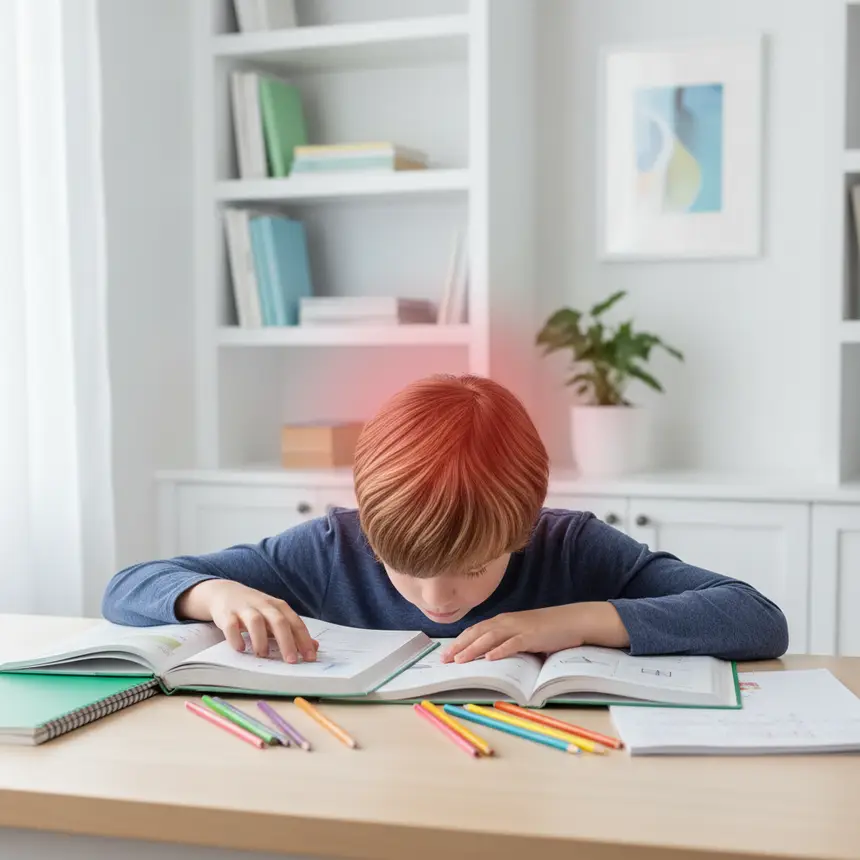
When will your baby take their first steps? Understand the natural developmental stages of baby walking, learn how to create a safe and fun environment, and discover effective ways to support their journey. Encourage your child's growth without rushing.

Anticipating Baby's First Steps: A Journey of Growth and Discovery
Witnessing your little one push up on their belly, then start to crawl, and eventually pull themselves up on furniture fills parents with immense joy and anticipation. These early movements are more than just a way to get around; they signify a remarkable leap in your child's independence and development. As their leg muscles strengthen, balance improves, and curiosity about the world around them explodes, they're building crucial skills. A baby's first steps open up a whole new world, giving them confidence and a sense of accomplishment. However, every child develops at their own unique pace. It's vital to understand and respect your child's individual developmental journey rather than comparing them to others.
Understanding the Natural Timeline for Walking: Patience is Key
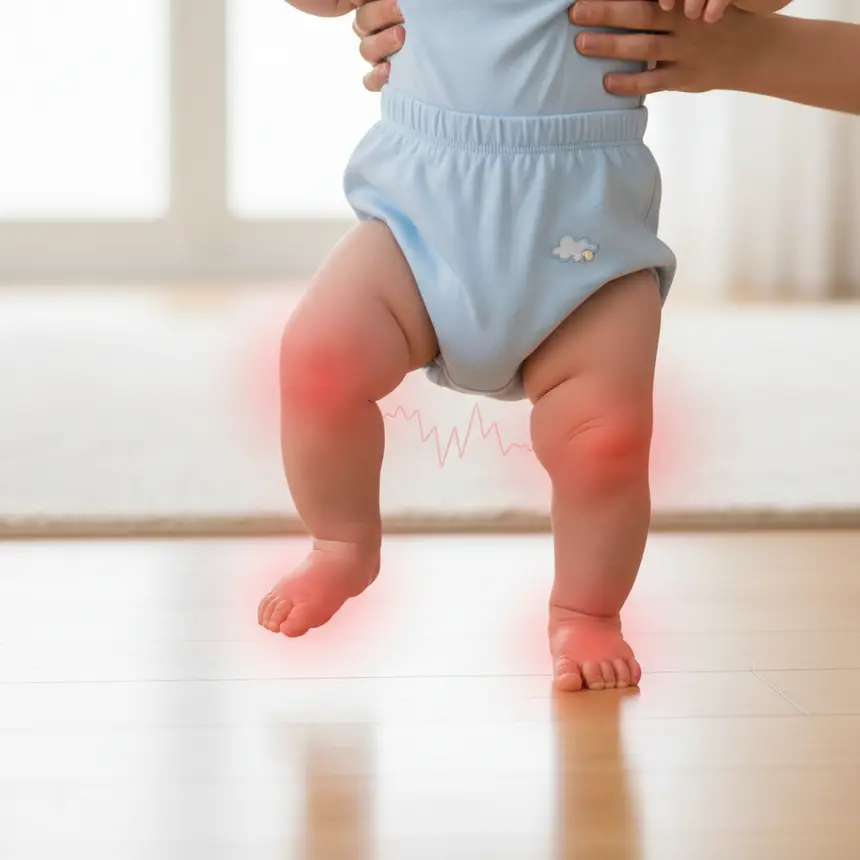
It's common for parents to worry if their child seems to be a 'late walker' or to feel pressure to rush their baby's development. However, experts emphasize that the timeline for a baby's first steps is quite varied. Typically, babies begin belly crawling around 6-9 months, followed by hands-and-knees crawling between 7-10 months. Some children might skip crawling entirely and move directly to sitting or standing, which is generally not a cause for concern. Between 9-12 months, babies often start pulling themselves up on furniture, and around 12-15 months, they might take their first unsupported steps. Most children begin walking around their first birthday and can walk steadily by 15 months or so. Yet, there's significant individual variation. Instead of judging a child as 'late,' it's more important to follow their rhythm. During this period of increased mobility and curiosity, creating a safe environment for exploration is paramount.
※ This post contains affiliate links. I may earn a commission at no extra cost to you.

Supporting Self-Powered Movement: Stage-by-Stage Development Guidance
As your baby embarks on their journey toward walking, parents should provide positive encouragement and a secure environment, rather than rushing the process. Forcing them to walk by holding their hands or prolonged use of baby walkers is generally not recommended, as it can hinder natural muscle development. Instead, it's more effective to encourage independent movement through playful activities tailored to their gross motor development stage.
- Belly Crawling and Crawling: Once your baby starts moving, place their favorite toys just out of reach to encourage them to move and retrieve them independently. Lay down non-slip mats to provide a wide, safe area for them to explore.
- Pulling Up to Stand: When your baby attempts to pull themselves up on furniture, ensure there are soft mats nearby in case of tumbles. Observe from a safe distance, offering gentle support only when needed.
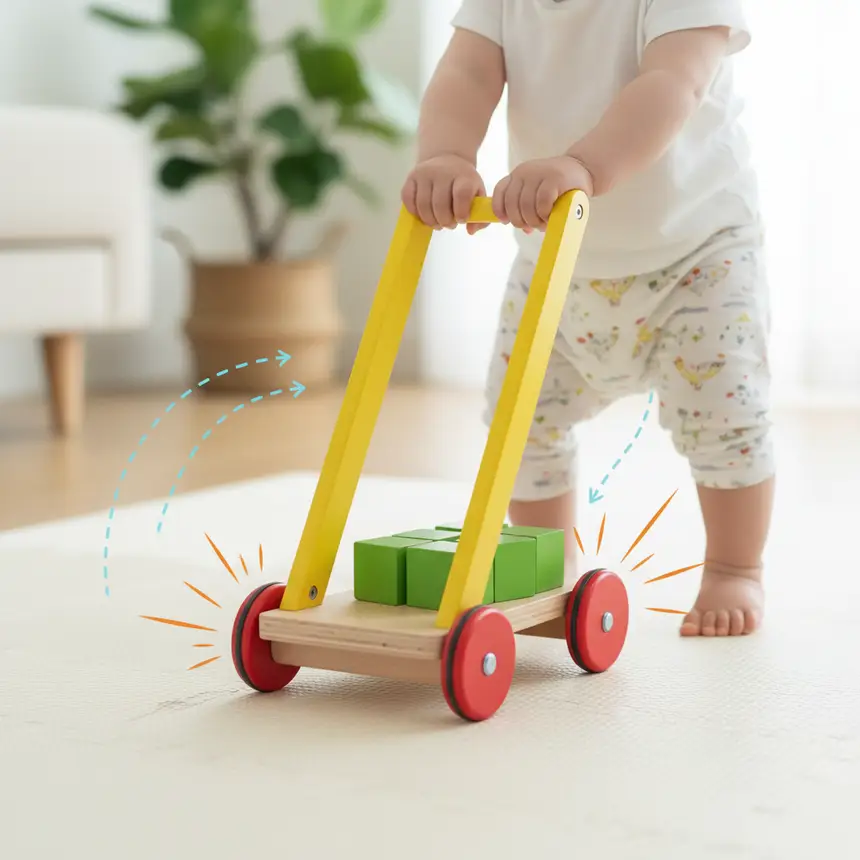
- Using Push Toys: Push-along toys designed for toddlers can significantly help in developing leg strength and balance. Encourage your child to push these toys around the house as they explore their environment.
Comprehensive Home Safety Check for Your Newly Mobile Child
Once your baby starts taking their first steps and moving freely, your home transforms from a static space into an exciting, but potentially hazardous, environment. It's crucial to reassess everything from your child's eye level to ensure safety. Even a small object or a sharp corner can pose an unexpected risk to your little explorer.
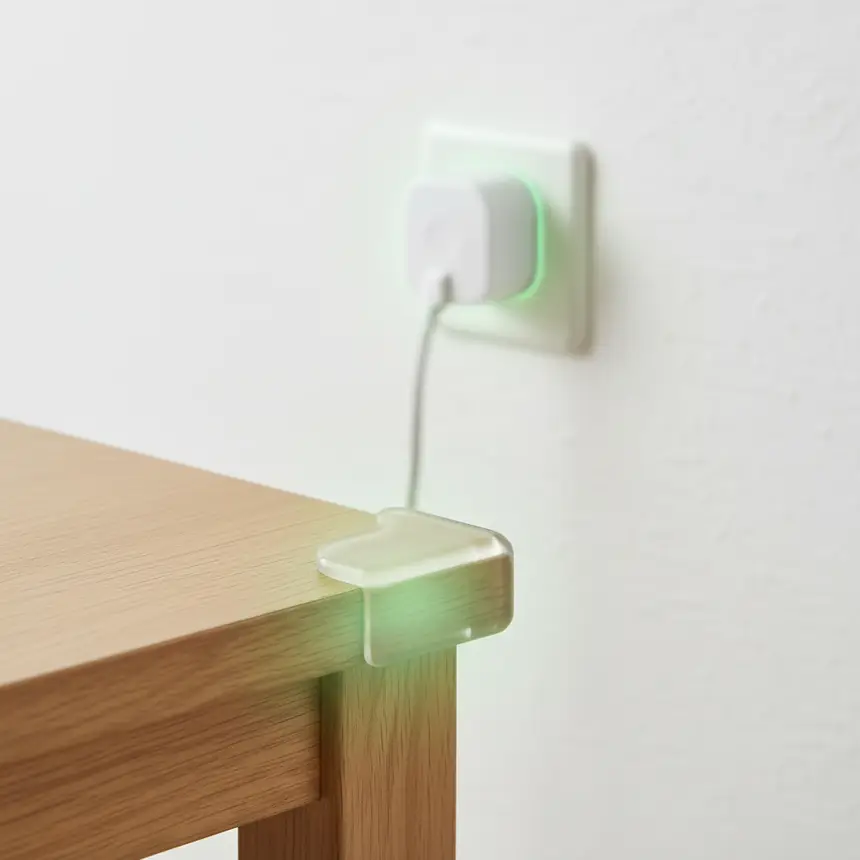
- Install Corner Protectors: Affix soft corner protectors on all sharp furniture edges to cushion any bumps or falls.
- Secure Furniture: Anchor lightweight or unstable furniture to the wall, or arrange it safely so it won't tip over if your child uses it to pull up. Check for safety devices that prevent fingers from getting pinched in doors or drawers.
- Manage Outlets and Small Items: Cover all electrical outlets with safety caps to prevent curious fingers. Routinely check the floor for small objects like coins, buttons, or toy parts, as these can cause choking hazards.
- Install Safety Gates: Block off hazardous areas such as stairs, entryways, and bathroom doors with safety gates to prevent your child from accessing them unsupervised. Meticulously preparing all areas your child will explore is essential for their safety.
Empathetic Support for Your Child's Grand Adventure
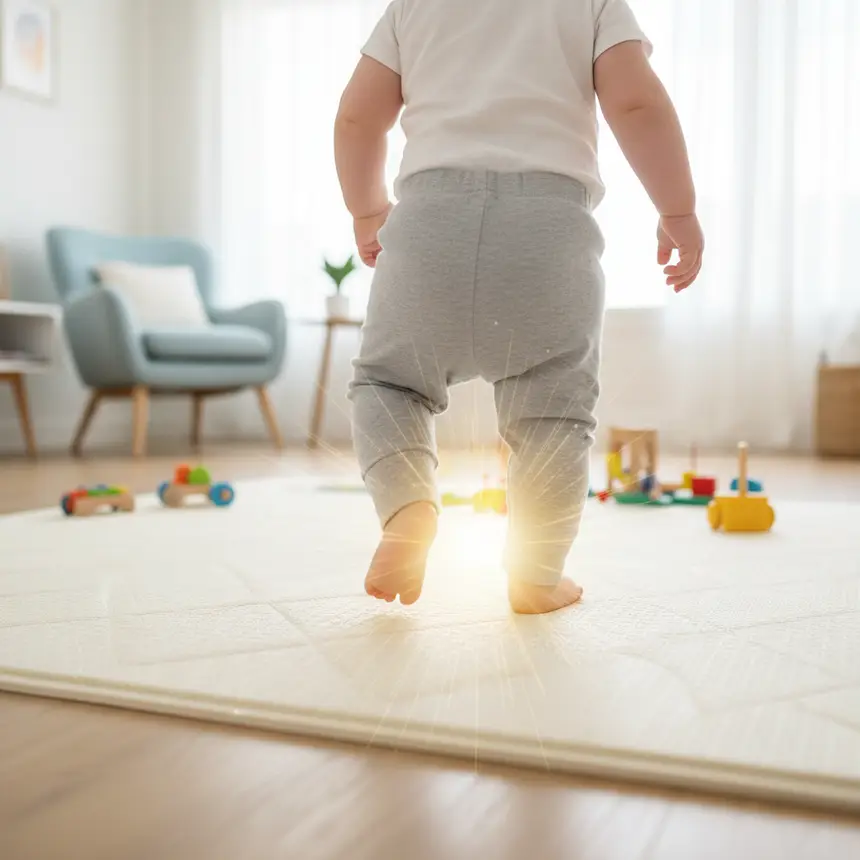
A baby's first steps are an unforgettable and emotional milestone for parents. Each tiny step your child takes towards the world signifies the beginning of independent growth. During this crucial time, your role as a parent isn't to force or teach, but rather to create a safe, supportive environment where your child can explore and succeed on their own. When your child hesitates, trying to take that next step, offer enthusiastic applause and a warm smile to instill confidence. Through the process of falling and getting back up, children build resilience and problem-solving skills. We encourage you to be patient, understand your child's unique pace, and offer thoughtful encouragement from their perspective as they grow. Every child's development is a miracle, and nurturing those miraculous moments is the beauty of parenting.
Frequently Asked Questions
Q. My 15-month-old isn't walking yet. Is something wrong?
A. There's a wide range of normal when it comes to a child's developmental pace. Generally, by 15 months, most babies start standing independently or taking a few steps, and some might not be walking steadily until 18 months. If other developmental milestones (like crawling, sitting, eye contact) are on track, there's usually no need for significant concern. However, if your child shows no attempts to walk or if other developmental delays are present, it's a good idea to consult with a pediatrician.
Q. My baby refuses to practice walking. What should I do?
A. If your baby resists walking practice, avoid forcing them. Instead, try to approach it through playful activities that capture their interest. Place a favorite toy slightly out of reach and encourage them with a 'come here,' or introduce push-along toys to pique their curiosity. Your positive reactions and encouragement are very powerful in building your child's confidence.
Q. Do baby walkers help with a baby's walking development?
A. Recent research suggests that baby walkers can actually hinder a child's independent muscle development and may even increase the risk of accidents, so they are generally not recommended. When babies rely on a walker, they miss out on opportunities to practice balancing and supporting their own body weight. Instead, providing a safe floor environment and using push-along toys are more effective ways to support your child's journey to independent walking.