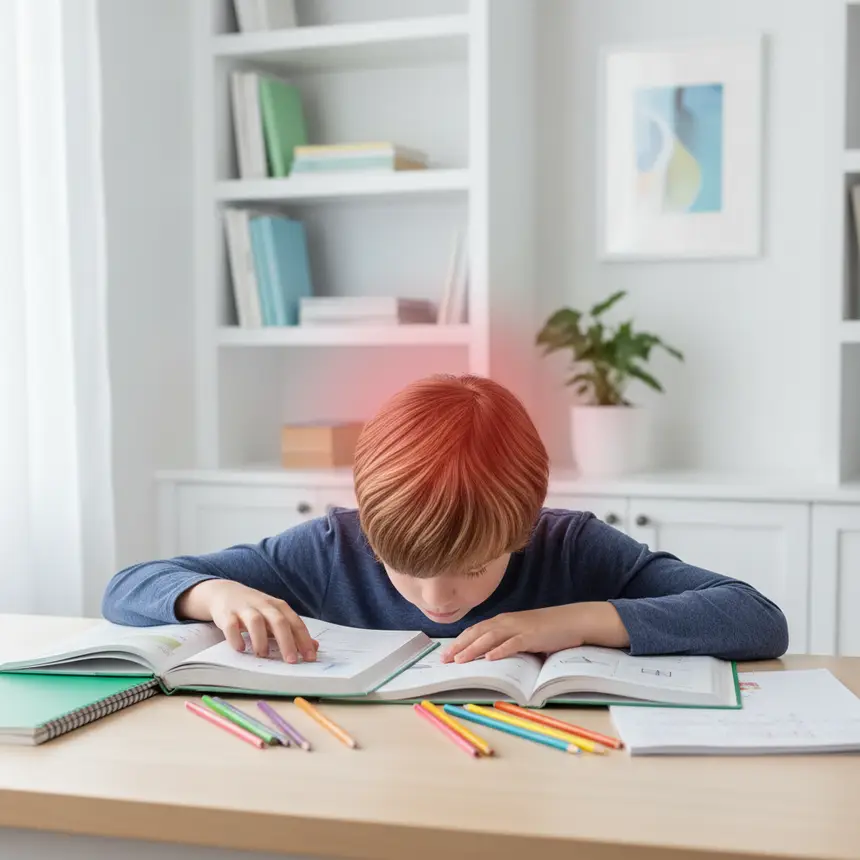
When elementary school children report chest discomfort and anxiety, it may be more than just a psychological issue. Discover the causes of 'New School Year Syndrome' in pre-teens, its physical symptoms, and practical solutions parents can use. Learn how to wisely support your child's healthy growth and development.

H2 Is Your Child Feeling Unspoken Discomfort or Worry?
“My child keeps saying their chest feels tight.” “They feel like something is stuck in their throat.” If you’re a parent of an elementary school child, these phrases might sound familiar. It can be incredibly confusing and heartbreaking when medical tests show no specific issues, yet your child continues to express discomfort and struggle. This is particularly common in pre-teen children, especially those entering the crucial pre-middle school phase, who often experience chest tightness and anxiety. As a parent, you might feel lost about how to best support them. Let's explore how to listen to your child’s subtle cues and understand the deeper meaning behind these challenging symptoms.
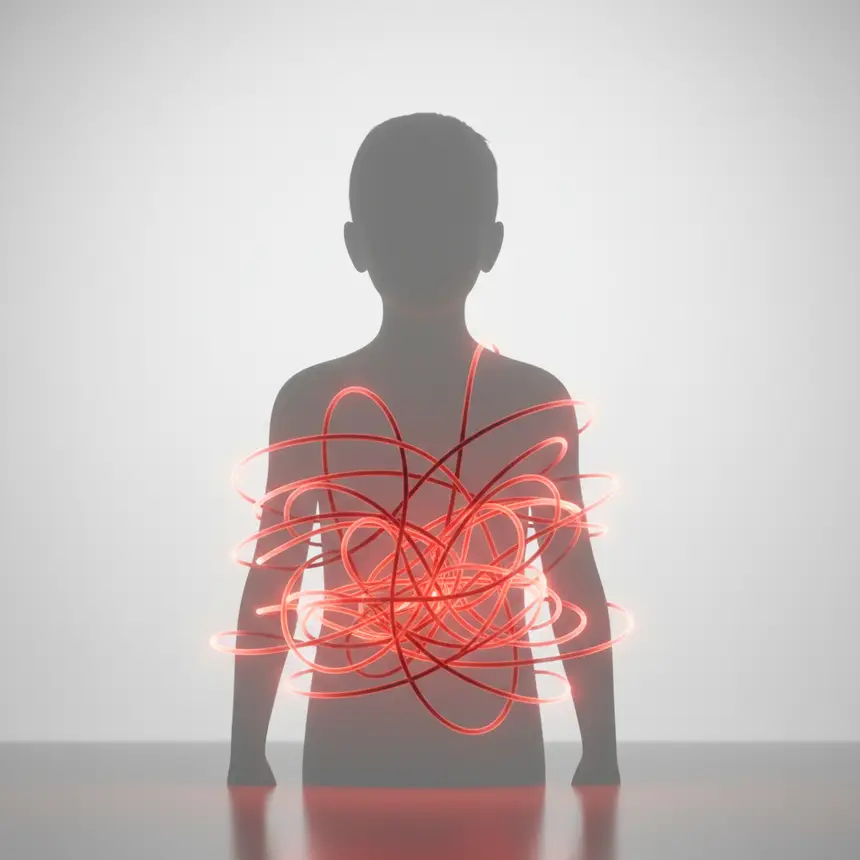
H2 Body's Silent Signals: The Real Reasons Behind Childhood Anxiety and Chest Tightness
Often, when children complain of chest tightness or a feeling of a lump in their throat, it’s not solely a physical problem. The pre-middle school years are a period of rapid physical and emotional growth, a significant transitional phase. Factors like increasing academic pressure, the stress of exams and performance assessments, evolving friendships, and societal expectations to 'act more grown-up' can subtly build tension in a child. Children may not yet have the language skills to articulate complex emotions effectively. Instead, they often manifest psychological anxiety, tension, and stress through physical symptoms such such as chest tightness, difficulty breathing, indigestion, or a feeling of constriction in the throat. This is particularly common in sensitive and responsible children. When thoughts like “I can’t make a mistake” become persistent, the body’s regulatory systems can become overwhelmed, leading to these physical manifestations of stress. It might start subtly with complaints like “I don’t feel like eating” or “My stomach hurts in the mornings.” Overlooking these early signals can lead to more entrenched symptoms of anxiety and discomfort.
※ This post contains affiliate links. I may earn a commission at no extra cost to you.


H2 Restoring Balance: A Holistic Approach to Your Child's Well-being
When an elementary school child expresses chest discomfort and anxiety, it's crucial not to dismiss it as 'just a mental issue.' Instead, recognize that their body’s regulation system might be under strain. Children at this age are not yet equipped to handle stress with the same resilience as adults. Therefore, a comprehensive approach to restore balance between mind and body is essential. First and foremost, create a safe environment where your child feels comfortable expressing their emotions. Instead of directly asking, 'Why are you anxious?', try to empathize with their physical discomfort and explore the meaning of the signals their body is sending. Regularly incorporate activities that help relax physical tension, such as gentle stretching around the chest and neck, mindfulness exercises, or deep breathing practices, which can significantly reduce physical symptoms. Consistent routines that include nutritious meals and adequate sleep are also vital for your child’s recovery, fostering both physical vitality and emotional stability. Tailoring nutritional intake to your child's constitution and current state plays a key role in strengthening their body's self-regulatory capabilities.

H2 Practical Strategies for Nurturing Your Child's Mind and Body at Home
Parents can implement several practical strategies at home to alleviate their child's chest discomfort and anxiety.
- Listen and validate their feelings: Phrases like “Your chest feels tight? That must be really hard” can help your child feel understood and encourage them to express their emotions. Focus on empathy rather than judgment or lecture.
- Maintain consistent routines: Sufficient sleep and a balanced diet profoundly impact a child’s physical and emotional stability. Establish a relaxing bedtime routine, such as limiting screen time before bed and taking a warm bath, to promote restful sleep.
- Encourage physical activity: Outdoor activities like walking, jumping rope, or biking are effective in releasing tension and improving mood. Choose activities your child genuinely enjoys rather than competitive sports.
- Practice relaxation together: Engage in practices like belly breathing, short meditations, or gentle stretches with your child. Utilize resources like kid-friendly relaxation music or guided meditations available online. These activities can help relax the body and foster a sense of calm.
- Foster a sense of self-efficacy: Help your child build confidence in their ability to solve problems by celebrating small successes. Offer praise and encouragement for their efforts and achievements, no matter how minor.

H2 Your Role as a Parent: Understanding Signals for Healthy Growth
When an elementary school child exhibits symptoms of chest tightness and anxiety, it's a crucial cry for help. Instead of dismissing it as 'weakness' or assuming they'll 'grow out of it,' it's paramount to approach it with empathy, recognizing, 'My child is struggling right now.' The pre-middle school period represents a significant challenge for children as they adapt to new environments. The physical discomfort they experience during this time can be an indicator of an overwhelmed body and a channel for expressing emotional difficulties. Your patient understanding and active support will be an essential foundation, helping your child navigate this transitional phase healthily and maturely. By paying attention to your child's subtle signals and working together to address challenges, they will develop into more resilient and insightful individuals.
Frequently Asked Questions
Q. My elementary school child says their chest feels tight, but doctor's tests are normal. What should I do?
A. If medical tests show no specific issues, your child's physical discomfort might be a sign of psychological tension or stress manifesting physically. Talk openly with your child about any recent changes or worries they might have. It's crucial to support their emotional and physical well-being through regular relaxation activities (like deep breathing or gentle stretching), adequate sleep, and a balanced diet. If needed, consulting a child development specialist can provide deeper insights into their psychological state.
Q. Why does 'new school year syndrome' seem to affect sensitive children more?
A. Highly sensitive or responsible children tend to react more intensely to environmental changes or pressures. They often internalize stress and may struggle to verbalize their emotions, leading to physical symptoms like chest tightness or stomach aches. For these children, it's especially important to provide frequent opportunities to express their feelings safely and offer positive encouragement for their small accomplishments.
Q. My child doesn't express emotions well; how can I tell if they're feeling this discomfort?
A. Even if your child doesn't verbalize their feelings directly, changes in behavior can be telling. Look for increased irritability, irregular sleep patterns, loss of appetite, or repeated complaints about physical discomfort in specific body parts. They might also appear more withdrawn or lethargic than usual. Instead of asking 'What's wrong?', try starting a conversation focused on their physical symptoms, such as 'You seem a little uncomfortable lately, are you okay?'
Q. What can I start doing at home right away to help ease my child's anxiety and chest tightness?
A. First and foremost, show empathy and actively listen to their discomfort. You could have a calming conversation over a warm drink or simply relax together while listening to their favorite music. Establish a routine that reduces screen time before bed and includes a warm bath to help relax their body. Encourage physical activities like gentle stretching or taking walks together, which can help release energy and improve their mood.