Seeking a smart guide to introducing solids for your 6-month-old baby? Discover how to boost brain development and sensory exploration with safe preparation methods, essential supplies, and stage-by-stage tips for a joyful first feeding experience.

Maximizing Brain Development and Sensory Engagement Through Diverse First Foods
Embarking on the journey of introducing solid foods marks a significant milestone in your baby's development. Typically commencing around six months of age, or approximately 180 days, this phase extends beyond mere nutritional intake, profoundly influencing a baby's overall growth. Offering a wide array of ingredients and flavors during this crucial period can intensely stimulate a baby's senses, thereby fostering cognitive development and enhancing their perceptual abilities. When babies experience the distinct tastes and aromas of individual ingredients, it encourages their curiosity about food and helps them adapt to a broader spectrum of edibles over time. By providing a smooth, grain-based puree alongside small portions of various components, infants gain opportunities to differentiate tastes and explore new textures. This foundational experience is vital for cultivating healthy eating habits and ensures that mealtimes become a joyful, enriching part of their developmental journey.
Smart Preparation: Efficient Meal Planning and Hygienic Practices for Baby's First Bites
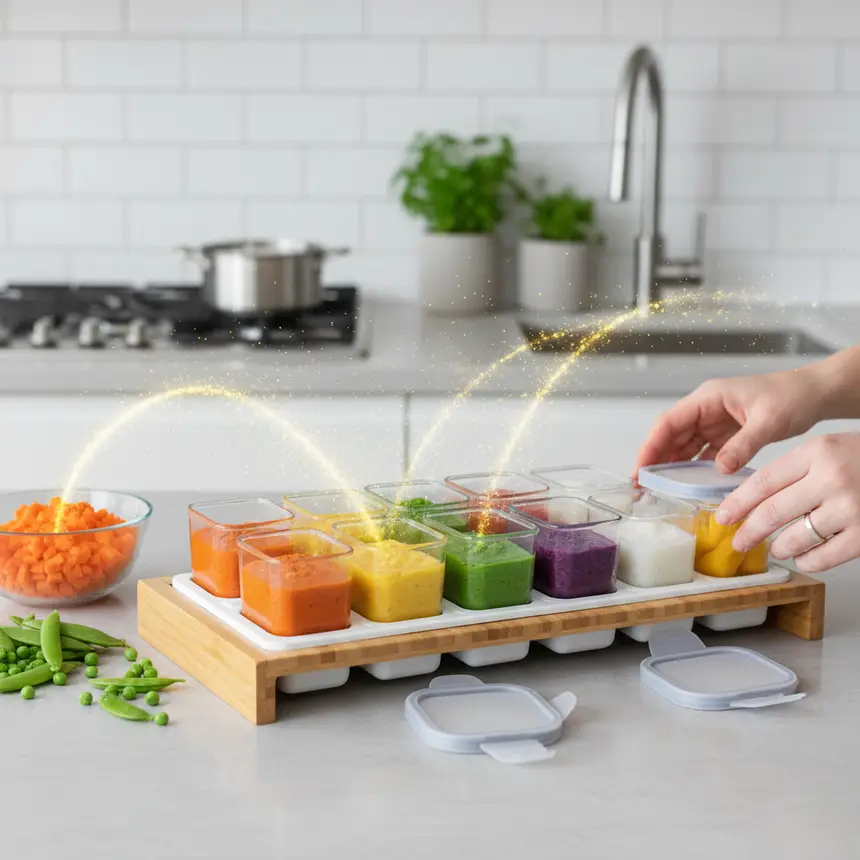
Successful introduction of solids necessitates methodical preparation and stringent hygiene. For busy parents, planning and preparing two weeks' worth of meals in advance can significantly enhance efficiency. During the initial stages, a common approach involves serving approximately 40ml of a grain-based puree alongside 10ml portions of various complementary ingredients such as vegetables, fruits, or proteins. These pre-portioned items can be conveniently frozen and used as needed. When preparing baby food, it's crucial to prioritize hygiene by using dedicated kitchen tools, separate from those used for adult meals. Opting for safe materials like stainless steel or glass for cutting boards and knives is advisable. Utilizing a baby food grinder helps achieve the smooth, easily digestible texture necessary for infants. After cooking, store the food in sealed, portioned containers and warm it immediately before serving to maintain freshness and safety.
※ This post contains affiliate links. I may earn a commission at no extra cost to you.

Key Considerations and Optimal Timing for Introducing Solid Foods
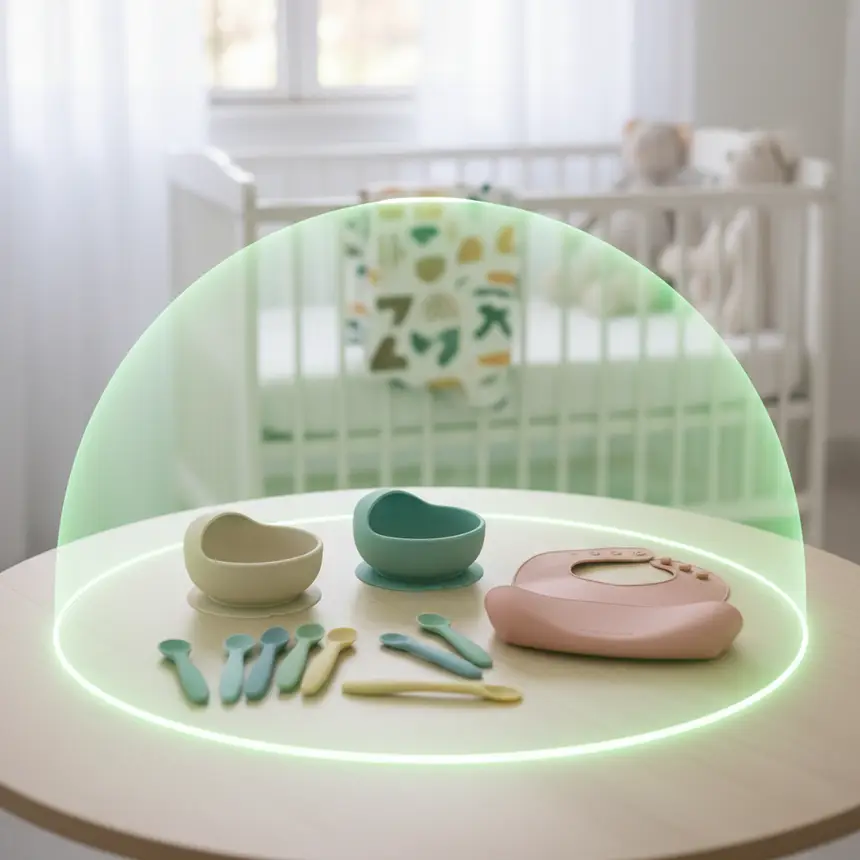
Introducing solids for healthy infant development requires careful timing and a thoughtful approach. Generally, around six months of age (180 days), babies begin to show readiness cues, such as holding their head steady and following a spoon with their gaze. However, as each child develops at their own pace, it's important to closely observe your baby's individual readiness. When first introducing solids, it's recommended to introduce new ingredients one at a time, in small quantities, and with a few days' interval, to carefully monitor for any potential allergic reactions. Furthermore, selecting feeding tools and containers made from safe, non-toxic materials like glass, stainless steel, or food-grade silicone is paramount. Supportive items like suction plates and bibs can make mealtime more enjoyable and less messy as your baby begins to practice self-feeding. Starting solids should be more than just feeding; it's a precious time for bonding and interaction between parent and child. Be patient and support your baby as they explore a diverse world of foods at their own pace.
Frequently Asked Questions
Q. What is the best age to start solid foods for my baby?
A. It's generally recommended to start around six months of age (approximately 180 days). Observe for readiness signs like good head control, showing interest in food, and opening their mouth when a spoon approaches.
Q. What essential equipment do I need for starting solids?
A. You'll need dedicated cooking tools like a small pot, knife, and cutting board for hygiene, portioning cubes for freezing, microwave-safe containers, soft baby spoons, a suction plate, and a silicone bib. Prioritize safe, baby-friendly materials.
Q. Can introducing diverse flavors really benefit my baby's development?
A. Yes, exposing your baby to a wide range of tastes and textures early on can stimulate their senses, positively influencing brain and language development. This approach can also help reduce pickiness and foster healthy eating habits later in life.
Q. Is it safe to prepare baby food in advance and freeze it?
A. Absolutely, preparing and freezing baby food in advance is a great way to save time. Just ensure it's stored in airtight, portioned containers, consumed within two weeks, and never refreeze thawed food to maintain freshness and safety.