Is your active child getting enough iron? Discover common signs of iron deficiency in children, effective strategies for optimal iron consumption, and essential tips for supporting their vibrant growth and vitality.

H2 Is Your Child Feeling Sluggish? Understanding Childhood Fatigue
As parents, we cherish our children's boundless energy, watching them explore and play with relentless enthusiasm. However, noticing a sudden dip in their usual vigor, or a lack of interest in once-favorite activities, can be a cause for concern. Many parents worry about their children's nutritional intake, especially with picky eaters, fearing that essential nutrients might be missed during crucial growth phases. Such changes in energy levels and even diminished concentration might not just be a passing mood; they could signal a deficiency in vital nutrients essential for their development. It's important to closely observe your child's typical energy patterns and note any unusual shifts to ensure their well-being.
H2 The Silent Impact of Iron Deficiency in Growing Children
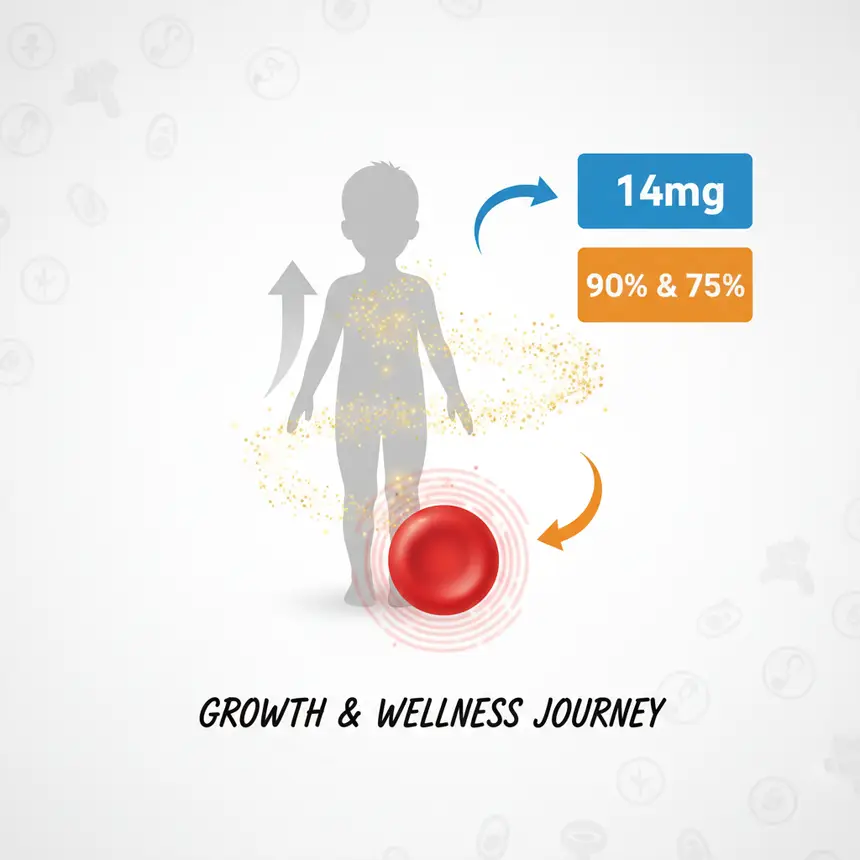
During periods of rapid growth, children's bodies undergo significant changes, including a substantial increase in blood volume. This surge in growth naturally elevates the demand for iron, a key component in producing hemoglobin, which is vital for oxygen transport throughout the body. Without adequate iron intake, children may face various challenges. Insufficient iron can lead to symptoms like persistent fatigue, difficulty focusing in school, and even a pale complexion or brittle nails. While many parents struggle with picky eating, iron presents an additional challenge due to its distinct, often metallic taste, which children frequently reject. Recognizing the importance of addressing childhood iron deficiency is crucial for supporting your child's healthy growth and development.
※ This post contains affiliate links. I may earn a commission at no extra cost to you.

H2 Smart Strategies for Ensuring Optimal Iron Intake in Children
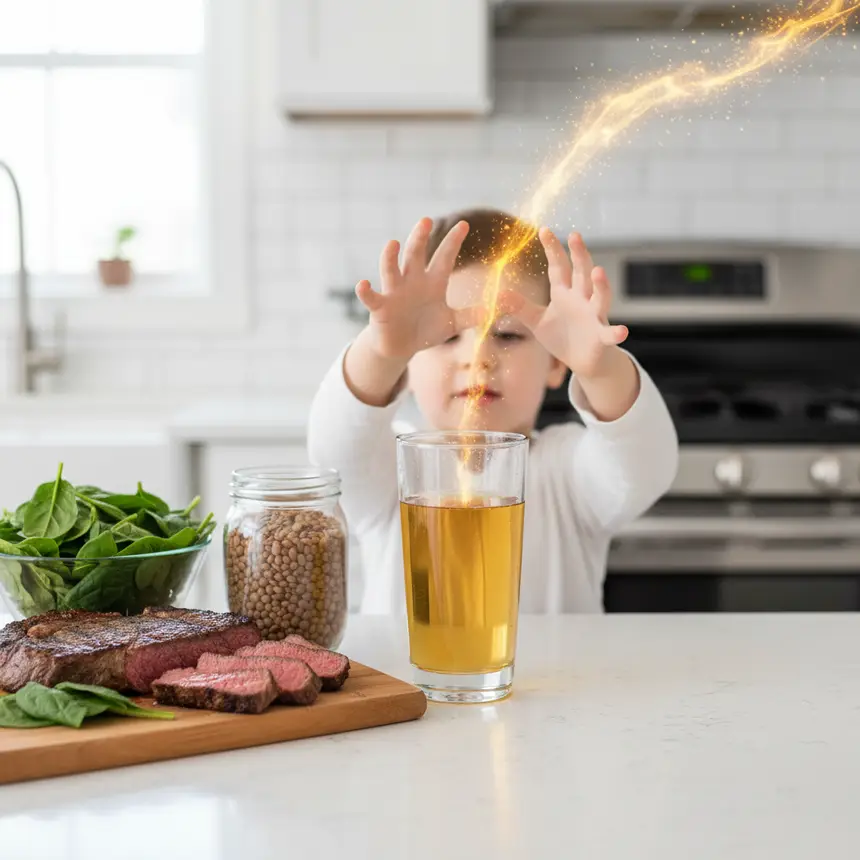
Addressing the challenge of iron intake for growing kids requires more than just offering iron-rich foods; it means finding ways for them to happily consume it without resistance. Firstly, nutritionally, incorporate iron-rich foods like lean red meats, legumes, and dark leafy greens such as spinach into their diet. Pairing these with Vitamin C-rich fruits and vegetables can significantly enhance iron absorption. Secondly, if dietary intake isn't enough, consider supplements. Opt for formulations that effectively mask the typical metallic taste, such as micro-encapsulated iron, or those with palatable fruit flavors and a liquid form, which can make consumption much easier. Thirdly, when choosing a supplement, prioritize transparency in ingredients and expert formulation, focusing on essential nutrients while avoiding unnecessary artificial colors or additives. By setting these criteria, you can make informed choices tailored to your child's needs.
H2 Practical Tips for Consistent Iron Management in Busy Schedules
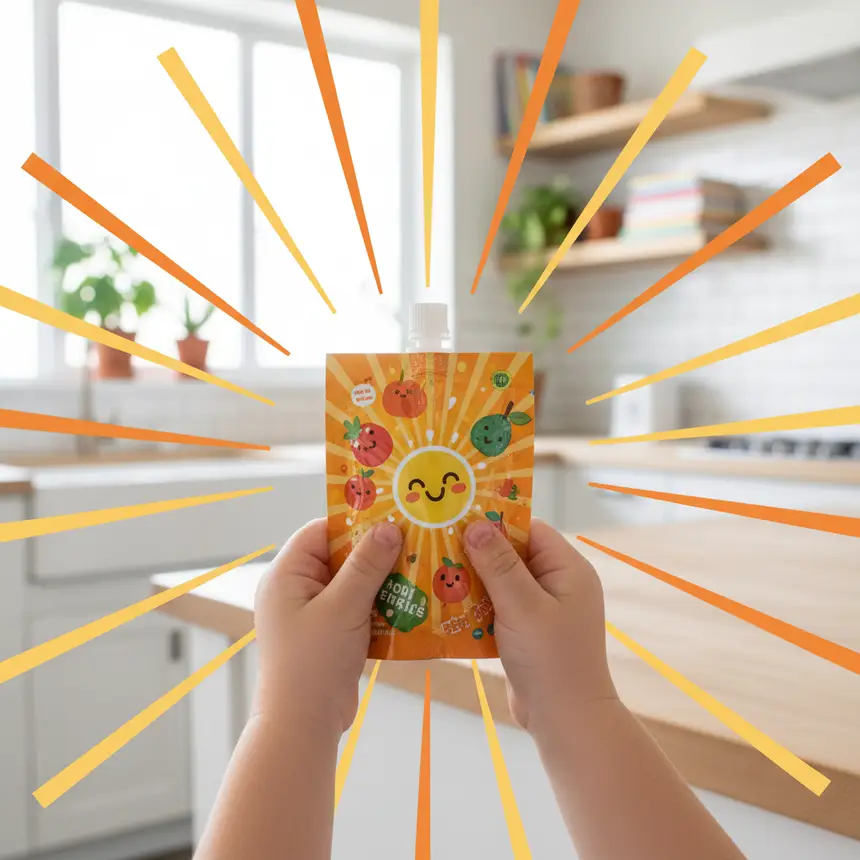
Supporting your child's healthy development requires consistent effort, even amidst a hectic family life. Here are some practical tips for seamless iron management. First, leverage convenient supplement formats. Single-serving stick packets or easy-tear packaging allow for quick administration at home or on the go, without needing scissors. A daily intake of around 14mg of iron is often recommended for children, and opting for products that provide this amount can simplify daily supplementation. Second, choosing a flavor and texture your child genuinely enjoys is paramount for long-term adherence. This ensures they don't resist their daily dose. Third, establish a consistent daily routine; integrating it into a meal or snack time can help prevent forgotten doses. Lastly, consider supplements that also include synergistic nutrients like B vitamins (B1, B6, B12) to support overall growth and well-being. These practices can help create an enjoyable and effective nutritional routine for your child.

H2 Nurturing a Healthy Future: The Power of Parental Care
We deeply understand the dedication and thought parents put into ensuring their children's vibrant daily lives and healthy development. Ensuring adequate iron intake for your child is more than just filling a nutritional gap; it's about laying a crucial foundation for their overall growth, cognitive development, and energetic daily activities. While children often find the distinctive taste of iron challenging, this barrier can be overcome with smart choices and consistent parental attention. Why not take a moment today to review your child's current iron intake habits and explore more effective management strategies? Your thoughtful efforts will serve as an invaluable cornerstone for building your child's bright, healthy future.
Frequently Asked Questions
Q. Why is iron particularly important for children during their growth spurts?
A. During rapid growth phases, children's bodies experience a significant increase in blood volume. Iron is essential for producing hemoglobin, which carries oxygen in the blood. Therefore, their iron requirements are much higher than adults', and a deficiency can negatively impact their energy levels and cognitive development.
Q. My child refuses iron supplements because of the metallic taste. What can I do?
A. Many children dislike the metallic or 'irony' taste of traditional supplements. Modern solutions include micro-encapsulated iron, which helps mask the taste, and liquid supplements with pleasant fruit flavors like orange. Choosing these child-friendly forms can significantly reduce resistance and encourage consistent intake.
Q. What should I look for when choosing an iron supplement for my child?
A. First, consider the taste and form (liquid, chewable, etc.) to ensure your child will accept it. Second, check for minimal unnecessary additives like artificial colors, flavors, or sweeteners, prioritizing essential ingredients. Third, look for formulations that include synergistic nutrients such as Vitamin C or B vitamins, which aid iron absorption and support overall growth.