Discover the importance of play-based learning for enhancing your toddler's logic and creativity. Get practical tips to foster early childhood brain development through engaging activities.

Nurturing Young Minds: The Power of Play for Logic and Creativity
Fostering a toddler's logical thinking and creativity is a cornerstone of early childhood development. These cognitive skills are vital as children begin to explore the world and acquire new knowledge. Rather than simply memorizing facts, children thrive when learning through engaging play, which significantly impacts early brain development. Through playful interactions, they naturally develop problem-solving abilities, learn to think flexibly in various situations, and find ways to express their unique ideas freely. This foundation positively influences not only their future academic capabilities but also their social and emotional growth. These developmental activities are more than just ways to pass the time; they are invaluable experiences that unlock a child's potential.

Playful Approaches to Enhance Early Brain Development
To effectively boost a child's logical thinking and creativity, certain types of play activities are particularly beneficial. Maze puzzles, for instance, help children plan routes and process visual information, laying the groundwork for logical reasoning. Beyond merely finding a path, the process of discovering optimal solutions within given rules cultivates focus and persistence. Furthermore, creative activities like drawing or building with blocks offer children opportunities to imagine freely and construct their own worlds. For example, giving a child a theme and asking them to express it in various ways, or encouraging them to create anything they can imagine with specific blocks, stimulates their creative thinking. Since these activities don't have a single "right" answer, children can experiment without the pressure of failure. Parents play a crucial role by encouraging their child and guiding them to find solutions independently, rather than immediately providing answers. When a child asks, "Why does this happen?" or "How do I do this?", responding with "What do you think might work?" or "Are there other ways?" can empower them to think critically.
※ This post contains affiliate links. I may earn a commission at no extra cost to you.

Everyday Tips for Supporting Toddler Cognitive Growth
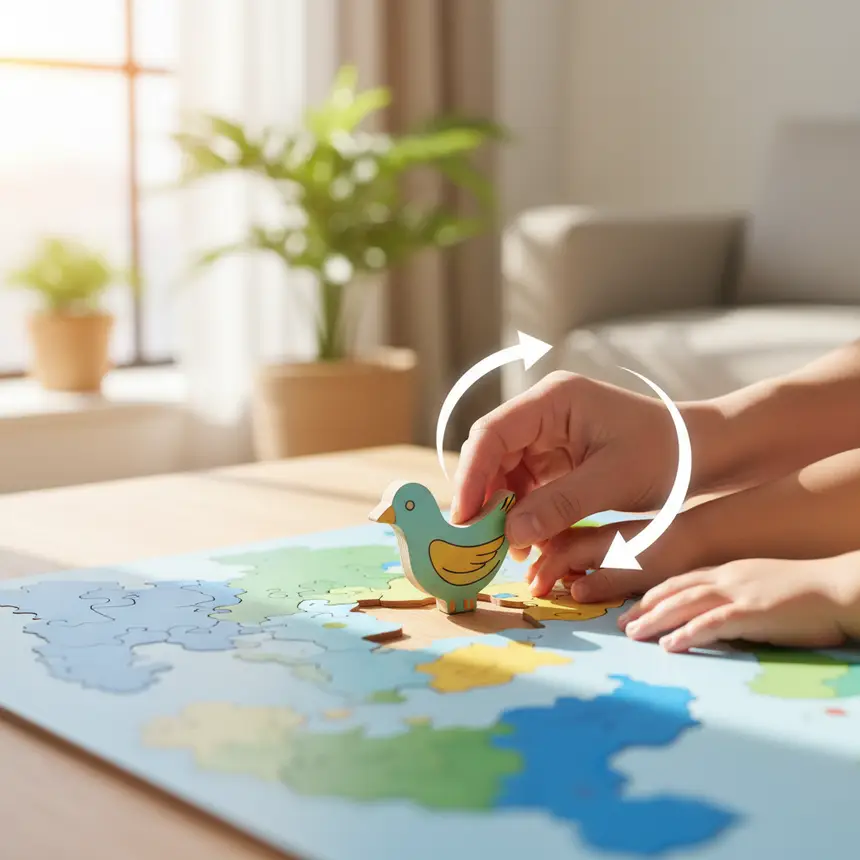
Enhancing a child's logical thinking and creativity doesn't require a special educational setting. Significant progress can be made through small changes in daily life. The most important aspect is choosing activities that match your child's interests and age. For example, for children around age 4, simple picture puzzles, coloring games, or sorting objects are suitable. For 5-6 year olds, more complex storytelling activities, pattern creation, or simple science experiments can stimulate imagination and logical reasoning. Dedicating short, focused periods, perhaps 10 to 20 minutes a day, consistently is more effective than long, forced sessions that might lead to a loss of interest. After completing an activity, positive praise and small rewards, like a "Great Job!" sticker or a handmade certificate with their favorite drawing, can boost a child's sense of accomplishment. These positive experiences help children associate learning with joy and motivate them for future activities.
Important Considerations + Recommended Age - Maximizing Early Cognitive Development
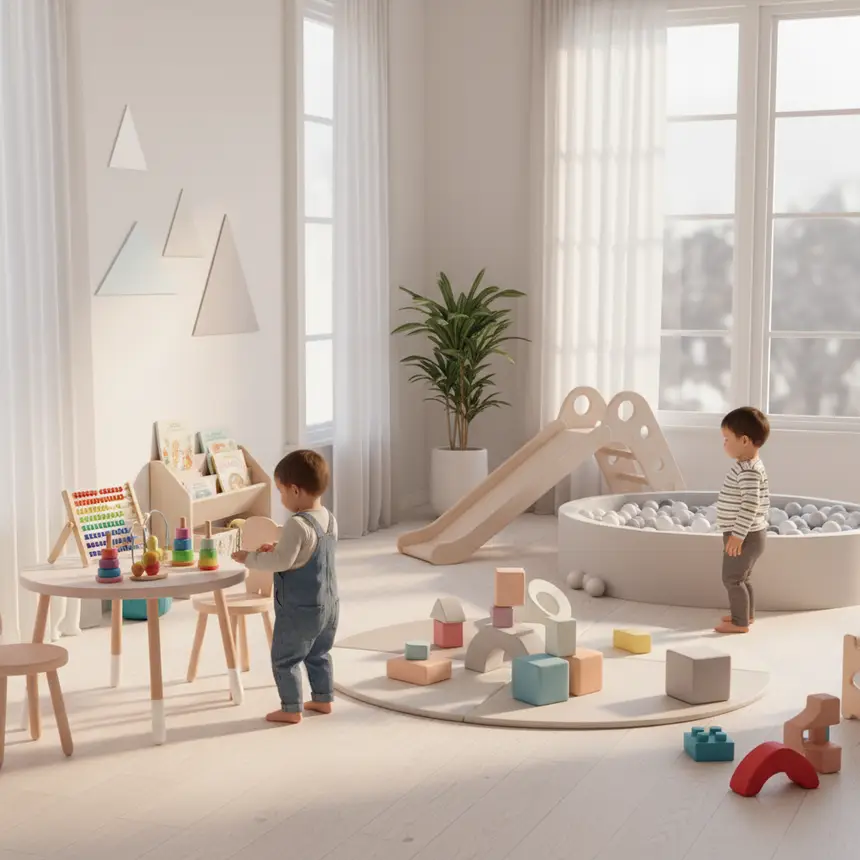
When selecting and conducting activities to develop a child's logical thinking and creativity, several key points should be remembered. First and foremost, respect your child's individual pace and temperament. Every child develops at their own rate, so focus on their personal growth rather than comparing them to others or expecting immediate results. Second, activities that are too challenging can lead to frustration and diminish a child's interest. It's best to start with difficulty levels where they can easily achieve success and gradually increase the complexity. Third, prioritize the quality of the activity over the quantity. Short, focused, and enjoyable engagement is far more effective. These cognitive development activities are generally recommended for children aged 2 to 6 years. This period is crucial for active brain development, and play-based learning is most natural and effective during these years. However, it's always advisable to adapt activities flexibly, considering each child's specific developmental stage. Remember, the greatest educational benefits are achieved when children feel joy and participate voluntarily.
Frequently Asked Questions
Q. When is the best time to start logical thinking activities with my child?
A. You can generally start with simple sorting and matching games around age 2. Ages 4-6 are particularly good for focusing on developing logical reasoning and creativity.
Q. What should I do if my child isn't interested in a particular activity?
A. Instead of forcing them, try switching to a different activity or suggesting a different type of play that aligns with their interests. Play should be enjoyable, not forced.
Q. What types of play activities are beneficial for early brain development?
A. Activities such as mazes, puzzles, building blocks, drawing, role-playing, storytelling, and observing nature can all help enhance a child's logical thinking and creativity.
Q. How can parents most effectively participate in their child's play-based learning?
A. Allow your child to explore and attempt to solve problems independently. Instead of giving direct answers, encourage their thought process through gentle prompts and questions, and offer plenty of positive feedback.