Explore the key stages of infant motor development from 1 to 3 months, focusing on the movements that lead to rolling over and how parents can support this journey. Discover joyful insights into your baby's growth.

Is Your Baby Meeting Milestones? The First Steps in Infant Motor Development
Witnessing a new life grow and change day by day is a miraculous experience for all parents. Your baby's movements, in particular, serve as crucial indicators of physical development and bring immense joy. Are you wondering if your baby is progressing smoothly through the `infant motor development` stages, or what signals they might be sending as they prepare for the next big milestone: `rolling over`?
From the subtle control of their head to developing arm and leg coordination to attempting to turn their body, your baby's growth journey is a series of interconnected movements. Through this guide, we'll explore the key motor development patterns from one to three months of age and understand how each stage naturally leads to the next. Let's uncover the signs of growth embedded in your baby's every move and discover ways to support their healthy development at their unique pace.
From the subtle control of their head to developing arm and leg coordination to attempting to turn their body, your baby's growth journey is a series of interconnected movements. Through this guide, we'll explore the key motor development patterns from one to three months of age and understand how each stage naturally leads to the next. Let's uncover the signs of growth embedded in your baby's every move and discover ways to support their healthy development at their unique pace.
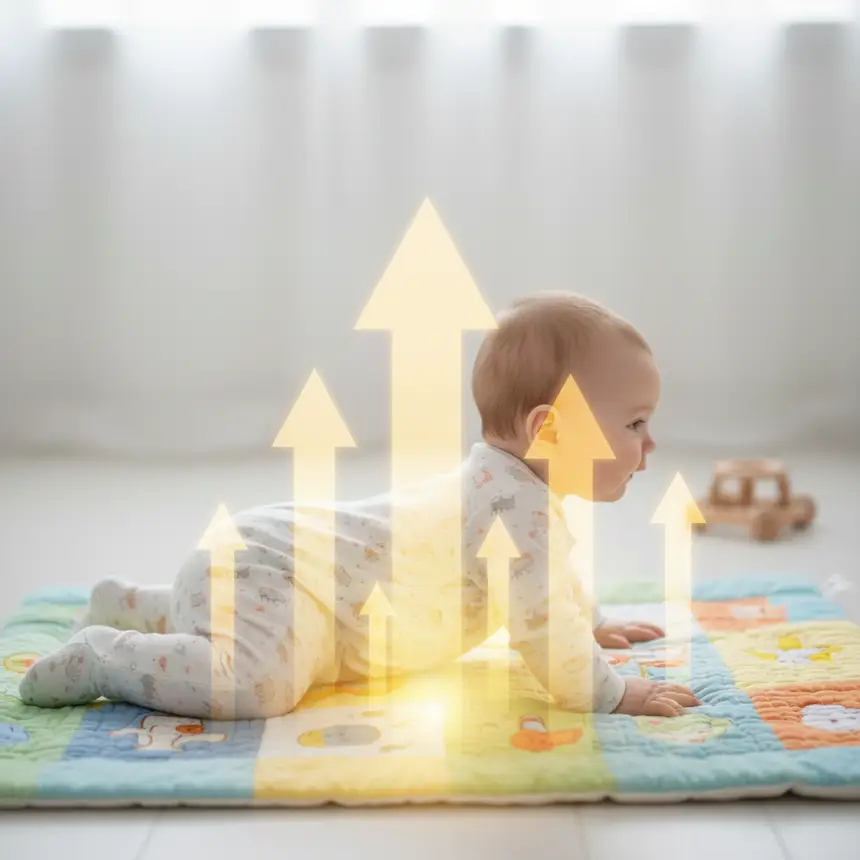
The Awakening of Little Muscles: Monthly Patterns of Infant Development
During the first few months of life, a baby's body is in a critical phase of adapting to the world, awakening muscles, and learning how to use them. Understanding the main movements your baby displays each month can provide insight into the flow of `infant motor development`.
- Month 1: At this stage, your baby begins to practice finding their body's center. Neck muscles are still developing, making it difficult to hold their head up for long, but they will attempt brief head lifts when placed on their tummy. Their face typically turns to one side, and limb movements are mostly reflexive and uncoordinated. Short `tummy time` sessions, 1-2 times a day for no more than a minute, can help your baby get used to this new position.
- Month 2: Neck muscles gradually gain strength. You'll likely observe your baby lifting their head to about 45 degrees while on their tummy and maintaining it. They may also start to use their elbows to slightly prop up their upper body. When lying on their back, they actively kick their arms and legs, exploring their balance and movement capabilities. Increase tummy time to 3-5 minutes to continuously encourage their upper body strength.
- Month 3: This marks the beginning of serious `rolling over` preparation. Some babies even successfully roll during this month! In a prone position, they can hold their head more steadily and scan their surroundings from side to side. They frequently push up higher on their forearms, lifting their upper body more. When lying on their back, they might start to gently tilt their body to the side or twist their hips. They may also lift their legs high to look at their feet. These movements are crucial `rolling over precursors`, building the foundation for torso rotation.
※ This post contains affiliate links. I may earn a commission at no extra cost to you.

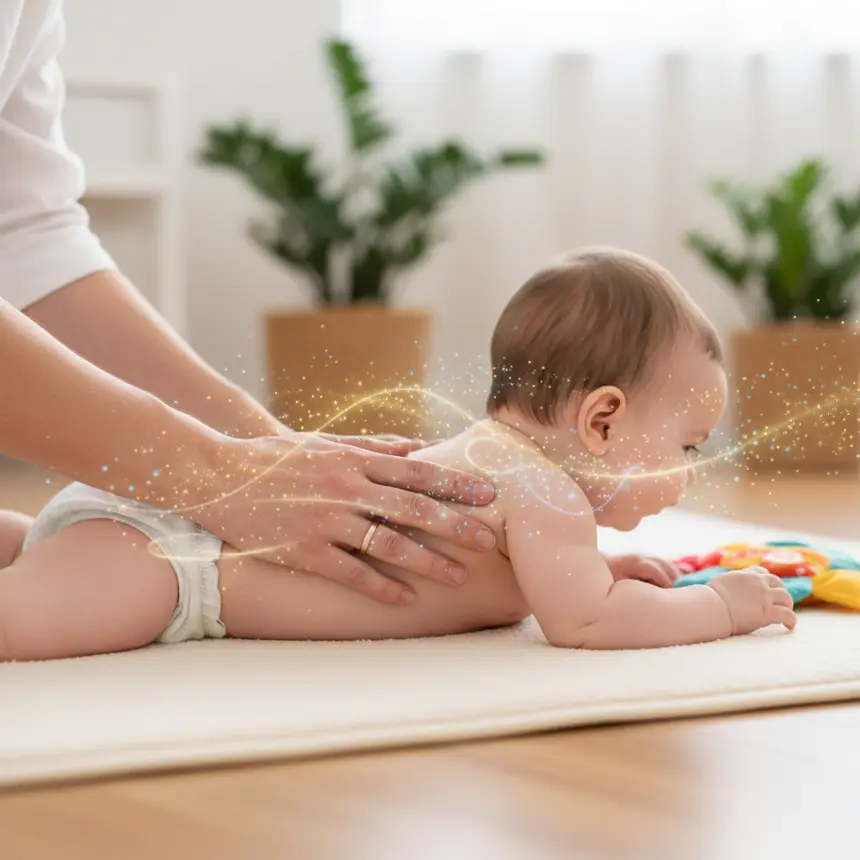
Your Role in Fostering Movement: Stage-by-Stage Support
While `infant motor development` is a natural process, appropriate parental support can help your baby progress to the next stage more easily and safely. Here’s how you can effectively support your baby's movements at each stage:
- Create a Safe Environment: Provide a spacious and secure floor area where your baby can freely move and explore. A thick play mat or soft blanket is ideal for them to actively move their arms and legs.
- Utilize Tummy Time Effectively: For a 1-month-old, start with short sessions of around one minute, gradually increasing to 3-5 minutes by two months. Make it a positive experience by talking to your baby at eye level, showing them toys, and making eye contact to keep them engaged. If your baby shows discomfort, stop immediately and give them a break.
- Encourage Strength and Flexibility: Gentle stretches, such as softly moving your baby’s arms and legs or bringing their feet towards their tummy, can aid muscle development and flexibility. When your baby independently kicks or attempts to move, offer positive reinforcement to encourage their efforts.
- Observe and Support `Rolling Over` Cues: When your baby shows movements like tilting their body sideways or lifting their legs, which are `rolling over` readiness signs, observe them closely and ensure they have ample safe space to practice. Sometimes, a small pillow can offer slight support to help them achieve the rotation.
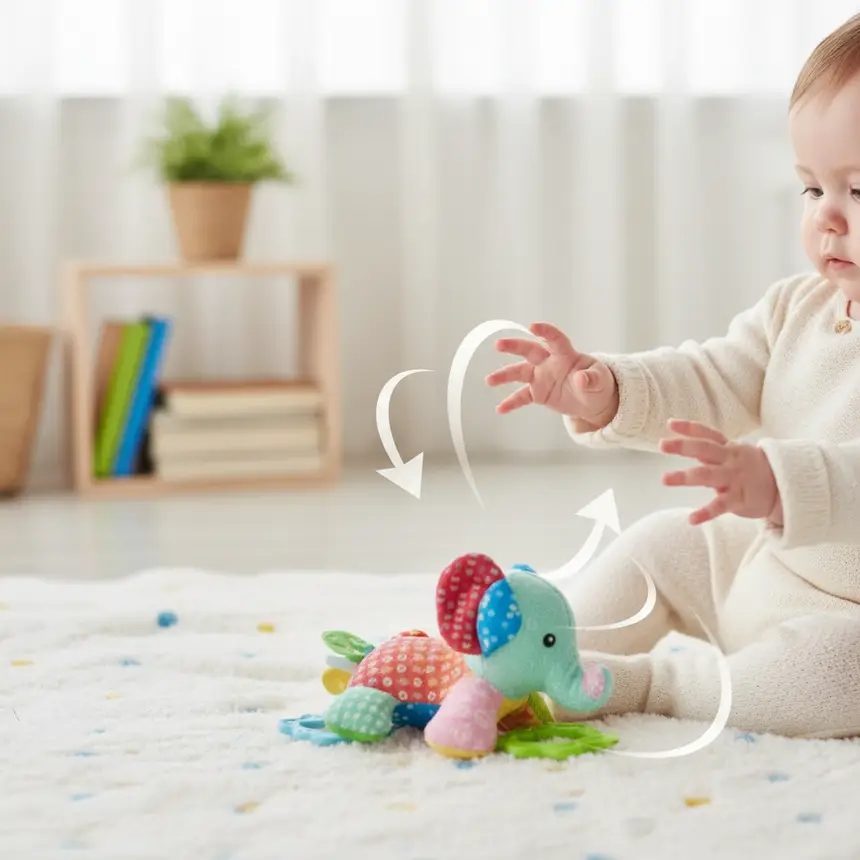
Playful Pathways to Growth: Everyday Practical Tips
Supporting your baby's `motor development` doesn't require elaborate activities; it can be effectively integrated into everyday play. Remember that interaction with parents has the most significant impact on a baby's development.
- Sensory Play: Place brightly colored toys or rattles near your baby to encourage visual tracking and reaching. Encourage their attempts to stretch or turn their body. This helps them explore the world through movement.
- Skin Contact and Massage: Gentle baby massage after a bath or during diaper changes enhances a baby's body awareness and flexibility. Spend time connecting with your baby by softly stroking their back, tummy, arms, and legs.
- Provide Freedom of Movement: Ensure your baby’s clothing isn't restrictive, allowing them to move their arms and legs freely. Use diaper changing times as opportunities for brief periods of unclothed movement. Be mindful not to keep your baby in restrictive baby equipment for too long.
- Consistent Interaction: Offer positive reactions and praise for your baby's small movements and attempts. Parental encouragement boosts their courage to try new things, positively influencing their `infant development`.

Patience Over Pace: Honoring Your Baby's Unique Rhythm
Just like flowers bloom at different times, `infant motor development` progresses at a unique pace for each baby. It's most important to respect your baby's individual characteristics and timeline rather than comparing them to other infants or feeling rushed. Key `infant development` milestones like `rolling over` naturally appear when your baby's muscles and nervous system are adequately prepared.
Your role as a parent is to offer love and support, enabling your baby to safely explore and experience these processes. Finding joy in every small change your baby exhibits and fully savoring this precious growth journey will be the most rewarding experience for both parent and child. Remember that development isn't a straight path but often a winding one, so watch with patience and enjoy the ride.
Your role as a parent is to offer love and support, enabling your baby to safely explore and experience these processes. Finding joy in every small change your baby exhibits and fully savoring this precious growth journey will be the most rewarding experience for both parent and child. Remember that development isn't a straight path but often a winding one, so watch with patience and enjoy the ride.
Frequently Asked Questions
Q. I'm worried my baby isn't rolling over yet. Is that normal?
A. There's a wide range of normal when it comes to infant development. Many babies start rolling between 4 and 6 months, but some may take a bit longer. The key is to observe if your baby is consistently working on their muscle development and showing other signs of progress. Instead of worrying, focus on encouraging their efforts and respecting their individual timeline.
Q. My baby doesn't like tummy time. What should I do?
A. It's best to start tummy time with very short sessions and gradually increase the duration. If your baby gets fussy, stop and give them a break. You can make it more engaging by getting down to their eye level, talking to them, or showing them a mirror or favorite toy. Make sure to try tummy time when your baby is well-rested and fed, not hungry or sleepy.
Q. What are some signs my baby is getting ready to roll over?
A. Babies preparing to roll often show several distinctive movements. While on their tummy, they might lift their head more steadily, propping up on their forearms to look around. When on their back, they may lift their legs high towards their chest, examine their feet, or start gently tilting their body to the side and twisting their hips. These actions help them build the necessary muscles and balance for rolling.