Discover when babies typically start rolling over and how to spot the signs. Learn practical tips to encourage this exciting developmental stage and crucial safety measures for your little one's growing independence.

The Excitement of Rolling Over: A New World Unfolds for Your Infant
When your baby begins to roll over, it's more than just a physical action; it's a significant leap into exploring their environment with newfound independence. This milestone marks a crucial period where core muscles in the neck, back, and abdomen become stronger, laying the groundwork for future movements like sitting, crawling, and eventually walking. As babies master rolling, their perspective of the world expands dramatically. They gain the ability to shift positions, reach for objects previously out of grasp, and engage with their surroundings in a more active way. This increased mobility and sensory input are vital for cognitive development, stimulating their curiosity and problem-solving skills. Observing your little one achieve this major developmental milestone is incredibly rewarding. It signifies a transition from a relatively stationary existence to one filled with discovery and burgeoning autonomy, paving the way for a more engaged and interactive childhood.
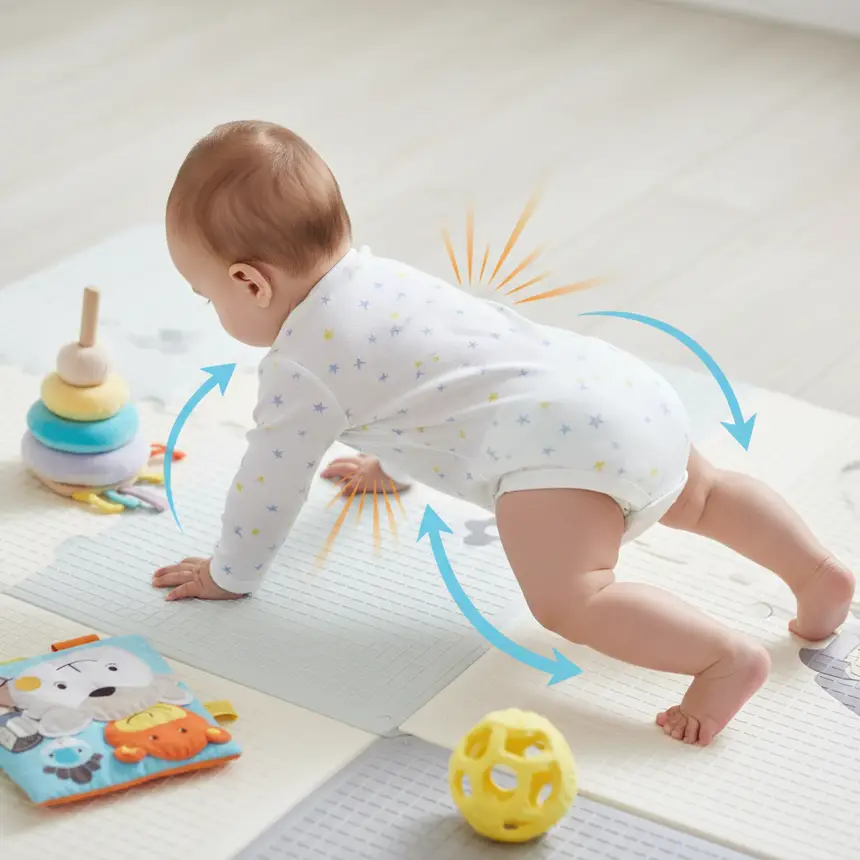
Spotting the Signs and Supporting Your Baby's Rolling Journey
Most infants begin to attempt rolling between three and five months of age, though individual timelines can vary. Some babies, like those around 85 days (approximately three months), might show early signs of trying to roll, which falls well within the normal spectrum of development. By understanding these `baby rolling over` indicators, you can effectively support your child's `infant development`.
- Key Indicators of Approaching Rolling:
- Repeatedly tilting the body to one side, attempting to turn onto their side.
- Pushing with their legs and arching their back, trying to gain momentum.
- Increased wiggling and squirming, with more side-to-side movements while lying down.
- Improved head control, allowing them to lift and turn their head more easily during tummy time.
- Activities to Encourage Rolling:
- Tummy Time Fun: Regularly place your baby on their tummy for short periods throughout the day. This strengthens the neck, shoulder, and back muscles essential for rolling. Make it engaging by using colorful toys, mirrors, or lying down with them at eye level.
- Gentle Side Tilts: While your baby is on their back, gently guide their hips and legs to one side, helping them feel the sensation of their body shifting. Observe their reaction and stop if they show discomfort.
- Reaching and Grasping: Place a favorite toy slightly out of reach to the side of your baby. This encourages them to stretch, twist, and use their core muscles to try and grab it, naturally prompting a roll.
※ This post contains affiliate links. I may earn a commission at no extra cost to you.


Essential Safety Measures and Understanding Individual Development After Rolling Begins
Once your baby starts rolling, vigilance becomes even more critical for parents and caregivers. Their newfound mobility introduces new safety considerations that require proactive attention. Ensuring `baby safety` is paramount during this dynamic `infant development` stage.
- Preventing Falls:
- Never leave your baby unattended on elevated surfaces such as beds, changing tables, or sofas, even for a moment. Always place them on the floor or in a secure playpen when you need to step away.
- Ensure play areas are free from hazards and sharp objects. Use soft mats on hard floors to cushion any unexpected tumbles.
- Safe Sleep Practices:
- Babies who can roll over might end up on their stomach during sleep. Since they may not yet have the strength or coordination to roll back, this can be concerning.
- Always place your baby to sleep on their back. If they roll onto their stomach during sleep, gently roll them back onto their back. Ensure there are no loose blankets, pillows, or bumpers in the crib that could obstruct breathing.
- Embracing Individual Growth Paces:
- It's important to remember that every baby develops at their own unique pace. While some may roll early, others might take a bit longer. There's a wide range of "normal" for developmental milestones.
- Avoid comparing your baby's progress to others. Focus on celebrating their individual efforts and achievements. Provide a safe and encouraging environment where they can freely explore and master new skills at their own speed. Your support and patience are the most valuable tools in their developmental journey.
Frequently Asked Questions
Q. My baby is rolling over really early, sometimes even before 3 months. Is this normal?
A. Yes, it's completely normal for some babies to start showing signs of rolling, or even fully rolling, a bit earlier than the typical 3-5 month window. Every baby develops at their own pace, and early rolling often indicates strong neck and core muscles. As long as they are safe, there's no need for concern; just be extra vigilant about fall prevention.
Q. My baby can roll from back to tummy but struggles to roll back. What should I do?
A. This is a very common stage! Many babies master rolling one way before they can roll back. If your baby seems distressed while on their tummy, gently help them roll back to their back. Continue with plenty of supervised tummy time to build arm and shoulder strength, which will help them eventually master rolling both ways.
Q. Once my baby starts rolling, what are the most important safety precautions I need to take?
A. The top priority is preventing falls. Never leave your baby unsupervised on any elevated surface like a bed, sofa, or changing table. Always place them on the floor for play. Additionally, ensure their sleep environment is safe; always put them to sleep on their back, and make sure their crib is clear of loose bedding or toys.
Q. My baby dislikes tummy time. How can I make it more enjoyable to help with rolling?
A. Many babies aren't immediate fans of tummy time. Try starting with very short sessions (1-2 minutes) and gradually increasing the duration. Make it engaging by getting down to their eye level, using a mirror, or placing engaging toys just out of reach. Ensure they're not doing tummy time right after a feed to avoid discomfort. If they cry, stop and try again later. Consistency and making it a positive experience are key.