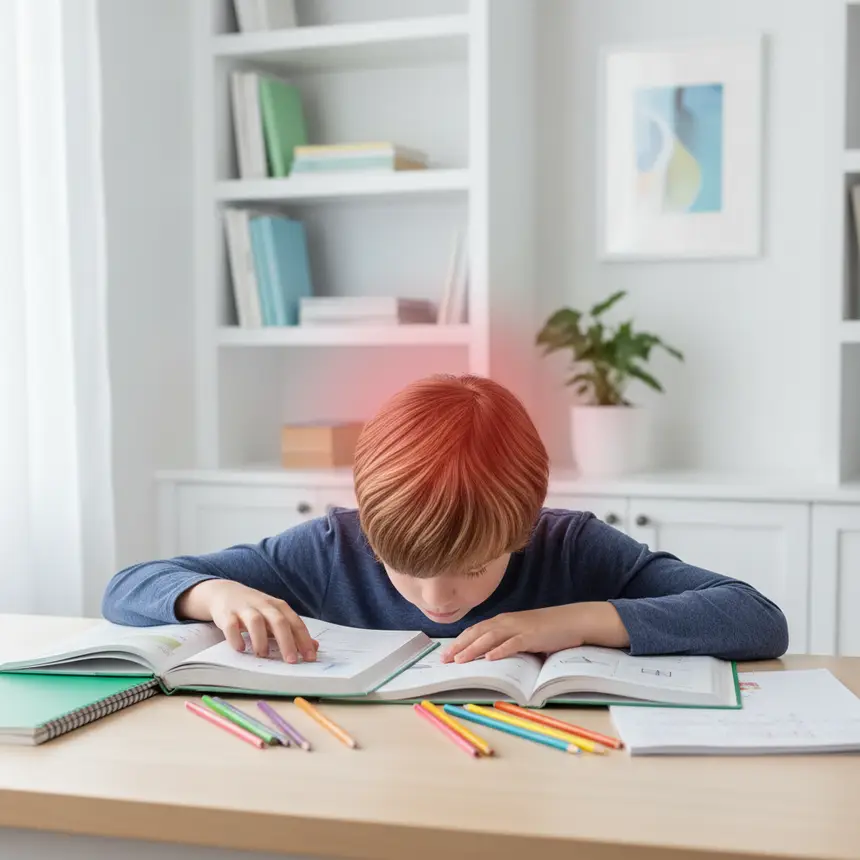
Discover effective child discipline methods for healthy development. This guide offers smart communication and trust-building strategies to foster self-regulation and autonomy in children.

The Foundation of Healthy Child Development: The Positive Impact of Smart Discipline
A child's growth encompasses far more than just physical development. Emotional stability, social skill formation, and the ability to self-regulate are crucial for a child to develop into a well-rounded individual. In all these processes, parents' practice of thoughtful child discipline plays a pivotal role. Beyond mere instruction or control, wise discipline critically helps children develop a sense of responsibility for their actions, understand others' feelings, and enhance problem-solving skills. Moreover, it builds a deep bond of trust between parent and child, leading the child to perceive parents as safe and reliable helpers. This long-term effect boosts a child's self-esteem and fosters a positive self-concept, significantly impacting peer relationships and social adaptability. Ultimately, effective discipline becomes a valuable form of education, empowering children to discern right from wrong and navigate towards desirable behaviors.

Key Principles for Guiding Your Child's Heart
Fostering Respect Through Calm and Firm Communication
When disciplining children, a parent's ability to manage their own emotions is paramount. Raised voices or emotional scolding can instill fear in a child and obscure the core message. Instead, it's far more effective to speak calmly and softly, at the child's eye level. Crucially, this requires a 'firm demeanor.' Even with a quiet voice, your facial expression, eye contact, and consistent stance should clearly convey that the behavior is unacceptable. For instance, if a child is engaging in risky behavior, instead of yelling "Stop running, you'll get hurt!", bend down, make eye contact, and calmly but firmly say, "Running here is dangerous right now. Let's pause for a moment." This approach helps children trust their parents, listen attentively, and internalize the potential consequences of their actions.
Guiding Self-Reflection with Questions and Patience
The true aim of discipline is to help a child recognize their mistake and develop the will to improve. Rather than just eliciting a quick "I'm sorry," it's vital to give children the opportunity to reflect on why their action was wrong and articulate it themselves. Guide their thoughts with questions like, "What do you think made Mommy (Daddy) upset?", "What happened because of what you did?", or "What could you do differently next time if this happens again?" Even if a child doesn't immediately respond, allow ample time for reflection and think through it with them. This process, where children review their actions and acknowledge mistakes, builds their capacity for self-reflection. It transforms discipline from simply avoiding punishment into a genuine opportunity for learning and growth.
Focusing on the Present Behavior, Avoiding Past Missteps
When addressing a child's misbehavior, it's essential to focus solely on the issue at hand. Bringing up past mistakes or unrelated misdeeds can burden a child with unnecessary guilt and erode trust in their parents. For example, instead of saying to a child who hasn't tidied their toys, "You still haven't cleaned up! You did this last time too!", focus on the present situation and action: "The toys are on the floor right now, and someone could trip. It's a good idea to put them away." The clearer and more concise the disciplinary message, the easier it is for children to understand and accept their mistakes. This helps children concentrate on correcting their behavior without unnecessary frustration.
When disciplining children, a parent's ability to manage their own emotions is paramount. Raised voices or emotional scolding can instill fear in a child and obscure the core message. Instead, it's far more effective to speak calmly and softly, at the child's eye level. Crucially, this requires a 'firm demeanor.' Even with a quiet voice, your facial expression, eye contact, and consistent stance should clearly convey that the behavior is unacceptable. For instance, if a child is engaging in risky behavior, instead of yelling "Stop running, you'll get hurt!", bend down, make eye contact, and calmly but firmly say, "Running here is dangerous right now. Let's pause for a moment." This approach helps children trust their parents, listen attentively, and internalize the potential consequences of their actions.
Guiding Self-Reflection with Questions and Patience
The true aim of discipline is to help a child recognize their mistake and develop the will to improve. Rather than just eliciting a quick "I'm sorry," it's vital to give children the opportunity to reflect on why their action was wrong and articulate it themselves. Guide their thoughts with questions like, "What do you think made Mommy (Daddy) upset?", "What happened because of what you did?", or "What could you do differently next time if this happens again?" Even if a child doesn't immediately respond, allow ample time for reflection and think through it with them. This process, where children review their actions and acknowledge mistakes, builds their capacity for self-reflection. It transforms discipline from simply avoiding punishment into a genuine opportunity for learning and growth.
Focusing on the Present Behavior, Avoiding Past Missteps
When addressing a child's misbehavior, it's essential to focus solely on the issue at hand. Bringing up past mistakes or unrelated misdeeds can burden a child with unnecessary guilt and erode trust in their parents. For example, instead of saying to a child who hasn't tidied their toys, "You still haven't cleaned up! You did this last time too!", focus on the present situation and action: "The toys are on the floor right now, and someone could trip. It's a good idea to put them away." The clearer and more concise the disciplinary message, the easier it is for children to understand and accept their mistakes. This helps children concentrate on correcting their behavior without unnecessary frustration.
※ This post contains affiliate links. I may earn a commission at no extra cost to you.


Everyday Discipline: Actionable Strategies for Parents
Establishing Clear Rules and Consistent Application
It is crucial to set clear expectations for behavior and ensure all family members apply these rules consistently. For example, if you establish a rule like "No TV during meals," both parents should adhere to this rule in all circumstances. Consistency helps children understand the importance of rules and feel secure in a predictable environment. Rules should not be too numerous and should be explained in language appropriate for the child's age and developmental stage, making them easy to understand.
Utilizing Positive Reinforcement and Natural Consequences
When children exhibit desirable behavior, immediate praise and encouragement should be generously offered to reinforce positive actions. Specific praise, such as "It's wonderful how you organized your toys all by yourself!" can motivate a child. Furthermore, allowing children to experience the natural consequences of their misbehavior can be effective. For instance, if blocks are thrown and broken, a natural consequence might be, "Since the blocks are broken, we'll have to play with these for a while before getting new ones." In such cases, parental emotional intervention should be minimized.
Providing Self-Regulation Time Through 'Time-Out'
When a child becomes overly agitated or exhibits uncontrolled behavior, implementing a 'time-out' can provide crucial self-regulation time. This is not a punishment but rather an opportunity for the child to calm down and reflect on the situation in a quiet space. Explain it positively: "It seems like you're feeling very upset right now. Let's take a moment to sit quietly and calm down." Allow the child to self-soothe. During this process, children learn to recognize and manage their own emotions.
It is crucial to set clear expectations for behavior and ensure all family members apply these rules consistently. For example, if you establish a rule like "No TV during meals," both parents should adhere to this rule in all circumstances. Consistency helps children understand the importance of rules and feel secure in a predictable environment. Rules should not be too numerous and should be explained in language appropriate for the child's age and developmental stage, making them easy to understand.
Utilizing Positive Reinforcement and Natural Consequences
When children exhibit desirable behavior, immediate praise and encouragement should be generously offered to reinforce positive actions. Specific praise, such as "It's wonderful how you organized your toys all by yourself!" can motivate a child. Furthermore, allowing children to experience the natural consequences of their misbehavior can be effective. For instance, if blocks are thrown and broken, a natural consequence might be, "Since the blocks are broken, we'll have to play with these for a while before getting new ones." In such cases, parental emotional intervention should be minimized.
Providing Self-Regulation Time Through 'Time-Out'
When a child becomes overly agitated or exhibits uncontrolled behavior, implementing a 'time-out' can provide crucial self-regulation time. This is not a punishment but rather an opportunity for the child to calm down and reflect on the situation in a quiet space. Explain it positively: "It seems like you're feeling very upset right now. Let's take a moment to sit quietly and calm down." Allow the child to self-soothe. During this process, children learn to recognize and manage their own emotions.

Parental Mindset and Age-Specific Discipline for Thoughtful Guidance
Pitfalls to Avoid During Discipline
During discipline, it is absolutely essential to avoid criticizing a child's character or using shaming language. Phrases like "Why do you always cause trouble?" or "Who would like you acting like that?" inflict critical damage on a child's self-esteem. Furthermore, children should never be compared to others or become targets for parental frustration. Overly long and complex explanations or nagging can also make it difficult for a child to grasp the core message. Always remember that discipline is education, not punishment, and must be based on love and respect. It's important for parents to first check their own emotional state and maintain composure.
Flexibility in Discipline According to Age
Discipline methods should be adapted flexibly based on a child's age and developmental stage.
During discipline, it is absolutely essential to avoid criticizing a child's character or using shaming language. Phrases like "Why do you always cause trouble?" or "Who would like you acting like that?" inflict critical damage on a child's self-esteem. Furthermore, children should never be compared to others or become targets for parental frustration. Overly long and complex explanations or nagging can also make it difficult for a child to grasp the core message. Always remember that discipline is education, not punishment, and must be based on love and respect. It's important for parents to first check their own emotional state and maintain composure.
Flexibility in Discipline According to Age
Discipline methods should be adapted flexibly based on a child's age and developmental stage.
- Infancy and Toddlerhood (0-3 years): Children at this age have limited language comprehension, so simple, clear instructions and immediate physical redirection are key. In dangerous situations, focus on stopping the action immediately and offering a safe alternative. A short, firm "No!" combined with moving them away from the dangerous item is effective.
- Preschool Years (3-7 years): This period sees the development of language comprehension and self-awareness. Briefly explain why an action was wrong and guide children with questions to help them think of alternatives. Methods like time-out or natural consequences can be effectively used. It's a good time to begin teaching the importance of rules and daily routines.
- School Age (7+ years): Reasoning skills and social development are actively progressing. During discipline, it's important to listen to the child's perspective and collaboratively explore solutions. Emphasize responsibility and focus on teaching social rules and consideration for others.
Frequently Asked Questions
Q. My child keeps saying "I'm sorry" but their behavior doesn't change. What should I do?
A. Sometimes children say "I'm sorry" to get out of a situation rather than genuinely understanding their mistake. Instead of simply accepting the apology, it's important to prompt them to reflect on their actions by asking questions like, "What do you think you're sorry for?" or "What happened because of what you did?" It's also helpful to brainstorm specific alternative behaviors together.
Q. How should I handle it when my child yells or cries and resists during discipline?
A. When a child is emotionally overwhelmed, the disciplinary message won't be effectively received. In such cases, it's crucial to first give them time to calm down. You can say, "It seems like you're very angry right now. Let's talk again once you've calmed down," then step back to give them space to regulate their emotions. Once they've settled, calmly try to communicate again.
Q. It's so hard for parents to maintain consistency. Are there any special tips?
A. Consistency is key in discipline, but it's okay not to be perfect all the time. The most important thing is for family members to discuss and agree upon discipline principles together. Set a few key rules and talk in advance about how to apply them in daily situations. Also, acknowledge that parents aren't perfect either, and when you make a mistake, be honest with your child and show them you're working to improve together.