A guide for parents considering swimming for their elementary school children's healthy growth. Discover how kids' swimming aids physical and emotional development, ideal starting ages, and effective learning methods.

What's the First Step Towards Healthy Physical Development for Our Children?
In today's world, children often spend more time indoors with screens and less time engaging in outdoor play. For growing children, sufficient physical activity is crucial, not just for moving their bodies but for their overall development. Parents constantly wonder what activities are suitable for their child's healthy growth and how to spark their interest. The elementary school years are especially vital for developing physical abilities and healthy exercise habits, making it essential to find appropriate sports.
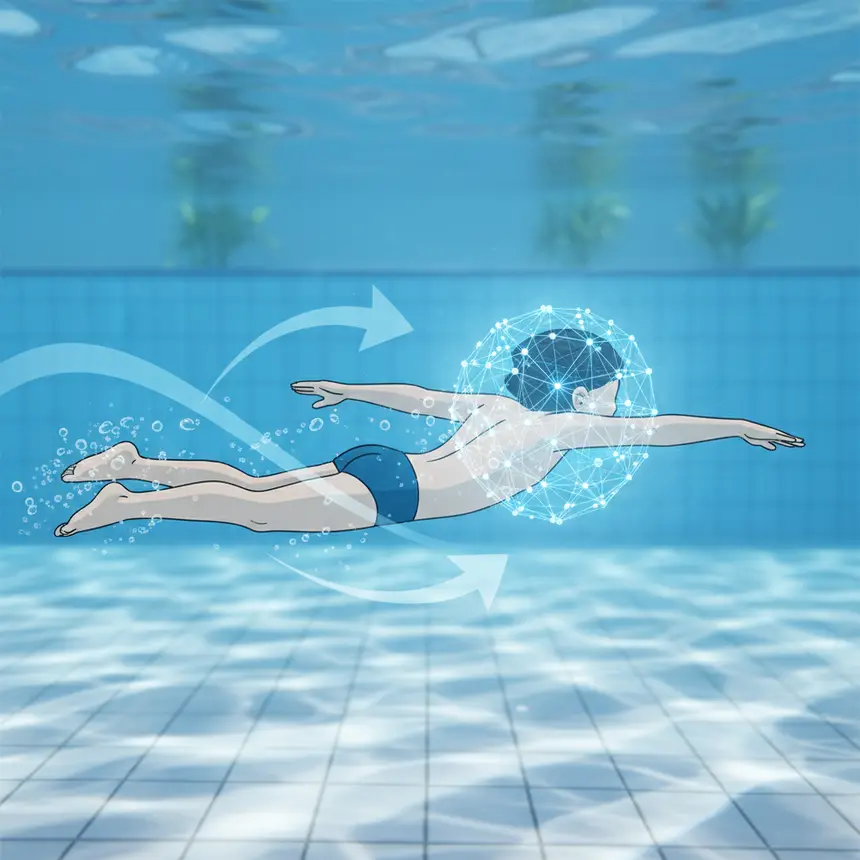
Why is Swimming So Effective for Children's Growth and Development?
Activity in water offers distinct physical advantages compared to land-based exercises. Water resistance effectively builds muscle strength and maximizes full-body workout benefits while minimizing joint strain. For growing children, it significantly enhances flexibility and strengthens cardiovascular functions. Furthermore, adapting to water builds crucial life skills for self-protection in emergencies. Thus, swimming transcends mere fun; it's a multifaceted exercise that positively influences a child's physical and mental development.
※ This post contains affiliate links. I may earn a commission at no extra cost to you.

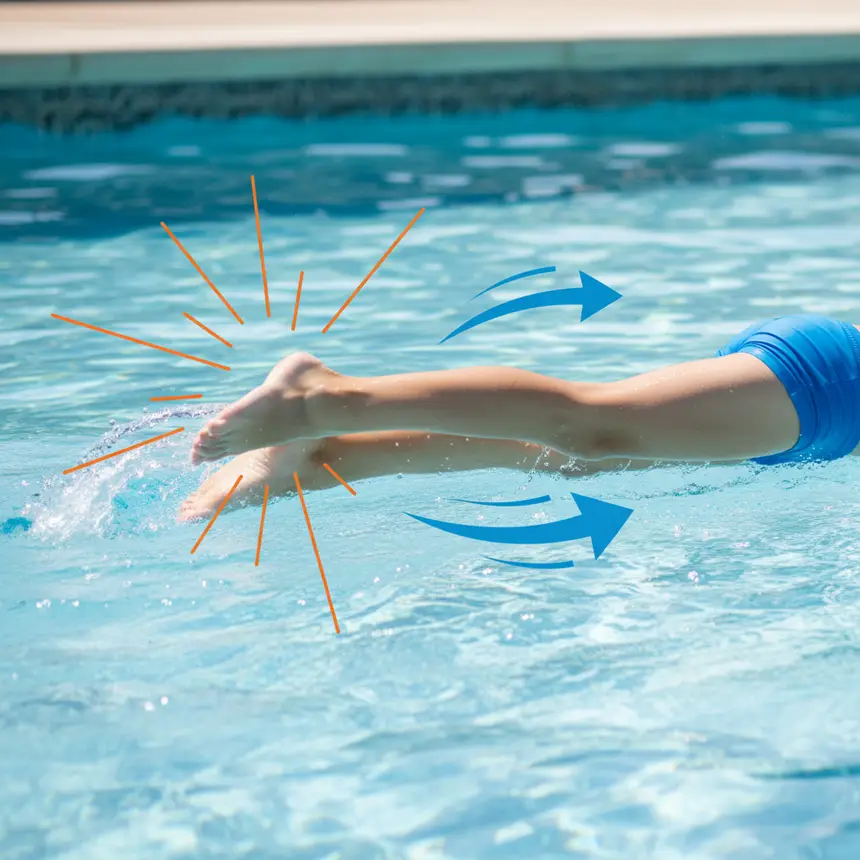
When and How Should Elementary School Children Start Swimming?
- Appropriate Starting Age: Swimming is generally recommended to start around age 5 or older. At this age, children can understand and follow basic instructions, and their cognitive and motor skills begin to develop, which are necessary for overcoming water fear and learning new techniques. By elementary school, improved concentration and motor coordination make skill acquisition much easier.
- Creating a Safe Environment: Safety is paramount in swimming education. It's crucial to start in a pool with an appropriate depth, considering the child's height and build. For instance, water depth up to a child's chest or shoulders can reduce anxiety and increase comfort, allowing them to focus on learning. While life vests are helpful, ultimately, it's important for children to adapt to the water and learn swimming techniques without them.
- Engaging Teaching Methods: To keep children interested in swimming, it's beneficial to combine it with fun games. Initially, focus on activities that help them become comfortable with water, and set small, achievable goals to build a sense of accomplishment. For example, you might suggest "five kicks today" or "dive to find a toy next week," providing concrete and attainable objectives.
Nurturing Healthy Elementary School Children Through Consistent Swimming Activities
Swimming is more than just learning a skill; it plays a vital role in forming a child's lifelong healthy habits. Regular swimming boosts stamina, strengthens the immune system, and helps relieve stress. Parents need to encourage and support their children to continue enjoying swimming. Playing in the water together or offering positive feedback as they progress can be very beneficial. By helping children feel freedom and experience a sense of achievement in the water, and naturally adopt healthy lifestyle habits, you're investing significantly in their holistic development. Consistent physical activity is the best investment for building strong bodies and minds.
Frequently Asked Questions
Q. Can very young children learn to swim?
A. Yes, around age 5, children can begin basic water acclimation and safety training. By elementary school, their physical development is more active, making skill acquisition easier.
Q. What should I prepare before my child starts swimming lessons?
A. Essential gear like a swimsuit, swim cap, and goggles are needed. If your child has an apprehension about water, playing light water games at home can help them become more comfortable.
Q. Does swimming help with a child's height growth?
A. Swimming uses full-body muscles without stressing joints and promotes flexibility, which can provide positive stimulation to growth plates. This contributes positively to overall physical development.
Q. Aside from swimming, what other activities are good for a child's physical development?
A. Team sports like soccer or basketball are great for developing coordination and teamwork, while cardio activities like jumping rope or running are effective for strengthening cardiovascular function. It's important to try various activities based on your child's interests and age.
Q. What if my child doesn't like swimming?
A. Instead of forcing them, approach it through play to help them get comfortable with water. Try short, repeated sessions to build positive experiences. Seeking professional guidance can also be helpful.