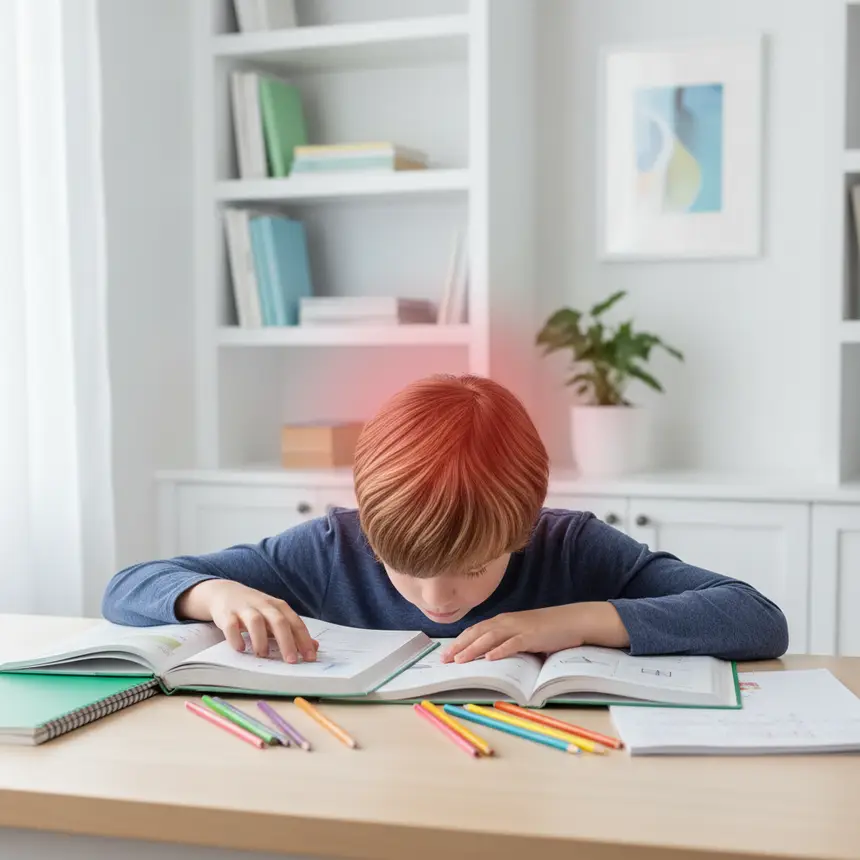
A practical guide for parents struggling with mealtime manners and picky eating in school-aged children. Cultivate positive eating habits and nutritional balance for healthy child development.

The Daily Mealtime Drama: Are You Struggling with Your Child's Eating Habits?
Many parents can relate to the frustration of mealtime when their sweet child suddenly becomes a stubborn negotiator, or firmly clamps their mouth shut at the sight of certain foods. The elementary school years are critical not just for physical growth but also for developing social skills. Therefore, poor table manners or picky eating that leads to nutritional imbalances can be a significant source of worry. Witnessing your child refuse vegetables, demand only specific foods, or constantly squirm and put down their utensils during a meal isn't just a minor inconvenience. Young children often have a natural wariness towards new tastes and textures, and their sensitive palates can make certain foods highly unappealing. Furthermore, a strong desire for play or an assertion of independence might manifest as mealtime resistance. These habits can hinder their intake of essential nutrients vital for growth, potentially weakening their immune system. Beyond health concerns, such behaviors can disrupt the joy of family meals, making it crucial for parents to seek thoughtful solutions.
Planting the Seeds of Good Eating: Practical Steps for Enjoyable Mealtimes
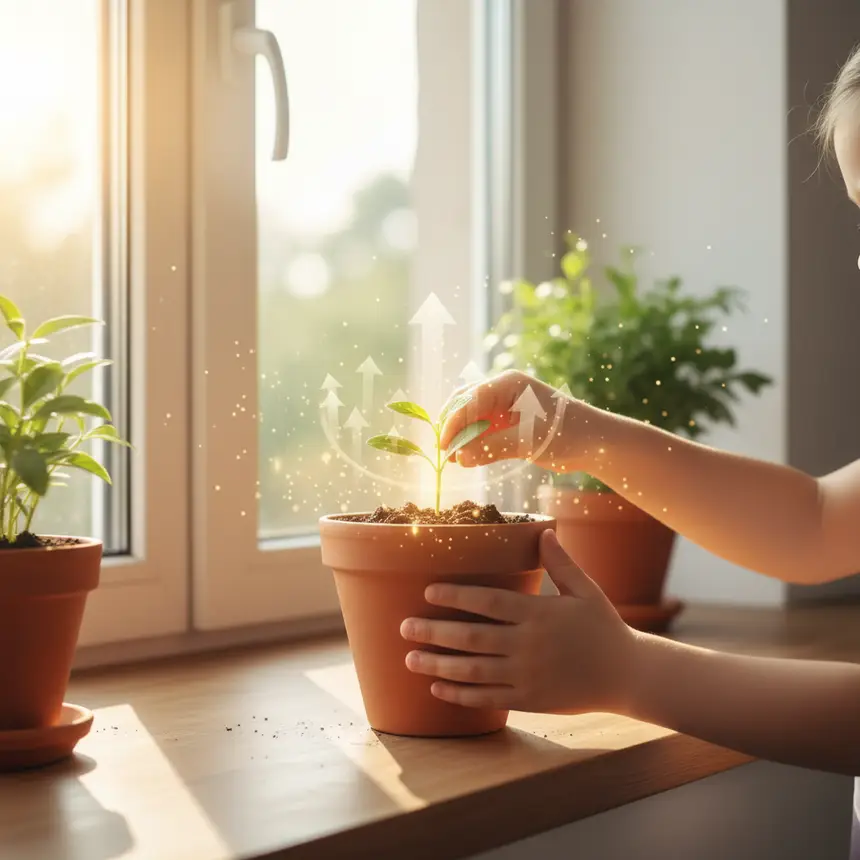
Cultivating positive eating habits in children goes beyond mere nutritional intake; it significantly impacts their self-esteem and social development. First and foremost, creating an environment that encourages focused eating and full appreciation of food is essential. During meals, minimize visual and auditory distractions like TV or tablets. This allows children to concentrate solely on the food on their plates and engage in family conversation. Whether your child tends to avoid eating or overeats, distractions during meals can negatively affect both. External stimuli can interfere with the brain's ability to register fullness, making it harder for children to regulate their food intake.Next, establishing clear mealtime rules and etiquette is paramount. Consistently sitting down at the table at fixed times helps regulate a child's internal clock and builds anticipation for meals. Sharing daily experiences as a family during dinner teaches children that meals are more than just filling their stomachs; they are precious moments for connection. Basic manners—such as waiting for adults to begin, trying a variety of foods, not talking with food in their mouth, eating quietly, and politely asking for items rather than reaching—should be guided through consistent, gentle instruction. If a child exhibits undesirable behavior, addressing it calmly after the meal, rather than immediately during it, can prevent them from developing a negative association with mealtime. To address picky eating, offering children direct interaction with food ingredients can be highly effective. Involving them in gardening a small plot or participating in meal preparation can pique their interest in food. Encourage them to explore various colors and textures with their senses. For instance, growing broccoli and then harvesting and cooking it together can significantly reduce a child's aversion to vegetables.
※ This post contains affiliate links. I may earn a commission at no extra cost to you.


Patience and Persistence: The Parent's Role in Establishing Healthy Eating Habits
The journey of improving a child's eating habits and teaching proper mealtime manners is not a sprint; it requires sustained effort and patience from parents. Encouraging polite greetings like "May I please begin?" before a meal and "Thank you for the meal" afterward, along with tidying up their used utensils and keeping the table neat, instills a sense of responsibility and gratitude in children. Throughout this process, maintaining a positive and non-coercive atmosphere is most important. If a child is repeatedly scolded for their mealtime behavior or picky eating, they may begin to dread meals or experience stress, which can ultimately hinder the long-term development of healthy eating habits.Therefore, parents should be generous with praise and encouragement for even small improvements, focusing on making mealtime a joyful and positive experience for the whole family. Positive reinforcement is key when children try new foods or make an effort to follow mealtime etiquette. For example, if a child eats even a small piece of a disliked vegetable, specific praise like "That's wonderful! It's so brave of you to try something new!" can be very effective. Healthy eating habits are a crucial asset that children will carry throughout their lives. Proper mealtime manners and balanced nutrition positively impact a child's physical and emotional growth, contributing to improved social skills and self-confidence. We hope this thoughtful guide helps both parents and children create happy and healthy mealtimes.
Frequently Asked Questions
Q. My child is constantly distracted at the dinner table. What should I do?
A. Turn off all digital devices like the TV or smartphones during meals to create an environment where your child can focus solely on eating. Make the dinner table a place for enjoyable family conversation and connection.
Q. My child absolutely refuses to eat certain vegetables. How can I get them to try new foods?
A. Let your child interact with the vegetables directly—touch them, smell them, or even grow them together. Involving them in the cooking process can also build familiarity and reduce their reluctance to try new foods.
Q. Should I correct my child immediately if they misbehave during a meal?
A. It's important to maintain a positive atmosphere during meals. Instead of immediate correction, explain the issue calmly after the meal and teach them the correct behavior. This helps prevent your child from fearing mealtime.
Q. Is it really necessary for my child to eat three meals at fixed times every day?
A. Yes, consistent meal times help regulate your child's body clock and support digestive health. It also fosters a sense of anticipation for meals and helps establish a regular daily routine.
Q. My child keeps getting up or wandering around during meals. How can I manage this?
A. Ensure your child feels hungry before the meal by maintaining appropriate intervals between snacks. Clearly communicate that they should remain seated during mealtime. Set a time limit for finishing meals and offer praise when they adhere to the rules.