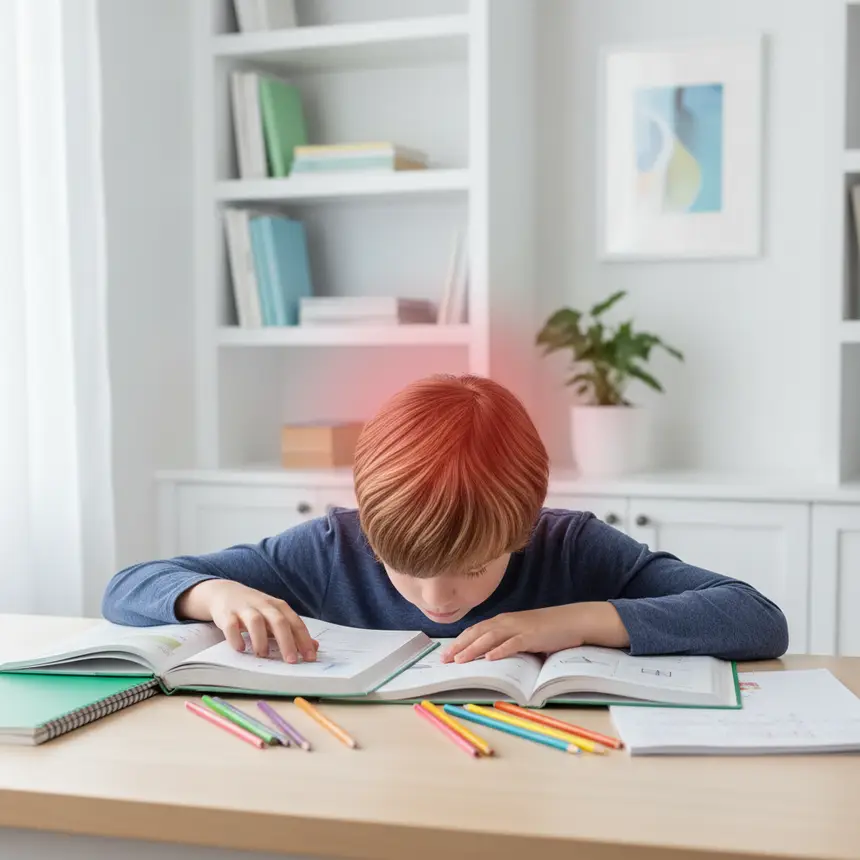
Does your little one cling tightly or struggle between independence and needing you close? Understand the normal stages of infant separation anxiety and the reattachment phase, and discover practical strategies to support your child's healthy emotional development.

Is Your Little One Suddenly Clinging to You More Than Ever?
Has your adorable baby transformed into a tiny shadow, refusing to let you out of their sight, or showing distress in new environments? These behaviors are often signs of normal infant separation anxiety, a natural developmental stage. Following this, many toddlers experience what's known as the reattachment phase, a period where they juggle growing independence with a persistent need for parental reassurance. This article aims to shed light on these crucial developmental milestones, offering practical parenting strategies to help your child navigate these phases and foster healthy emotional growth. Understanding these stages can help you build a stronger, more secure bond with your little one.
When and Why Do Separation Anxiety and Reattachment Occur?
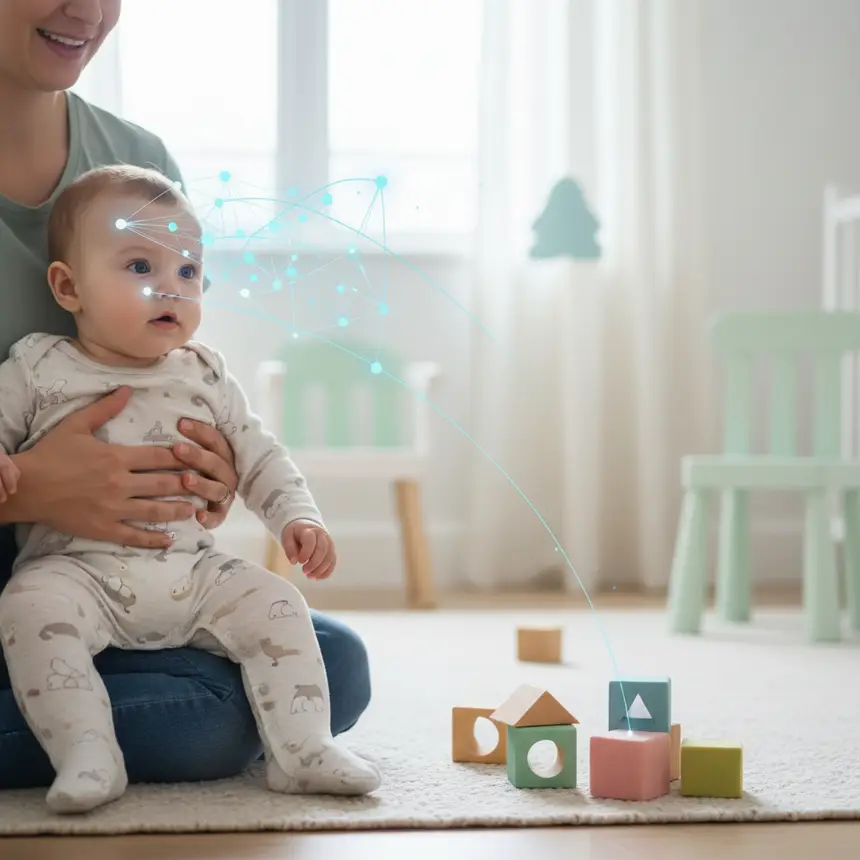
Infant separation anxiety typically emerges around 6 to 8 months of age. At this point, babies are beginning to grasp object permanence—the understanding that things still exist even when they can't see them. This newfound cognitive ability, combined with deepening attachments, can lead to distress when their primary caregivers are out of sight. The anxiety often peaks between 10 and 18 months, manifesting as intense crying when a parent leaves, apprehension around strangers, and increased clinging. While common, the duration varies, with some children showing signs up to two or three years of age.
After separation anxiety begins to subside, around 18 to 24 months, children often enter the reattachment phase. During this period, toddlers are actively exploring their environment and asserting their independence, yet they frequently return to their parents for comfort and reassurance. It's a fascinating push-and-pull dynamic; they might wander off confidently, only to quickly seek out a parent’s presence or a hug. This fluctuation in emotions and behavior is a normal part of their journey to balance autonomy with the need for a secure base, as they learn to navigate their feelings and the world around them.
After separation anxiety begins to subside, around 18 to 24 months, children often enter the reattachment phase. During this period, toddlers are actively exploring their environment and asserting their independence, yet they frequently return to their parents for comfort and reassurance. It's a fascinating push-and-pull dynamic; they might wander off confidently, only to quickly seek out a parent’s presence or a hug. This fluctuation in emotions and behavior is a normal part of their journey to balance autonomy with the need for a secure base, as they learn to navigate their feelings and the world around them.
※ This post contains affiliate links. I may earn a commission at no extra cost to you.

Effective Strategies to Ease Your Child's Worries
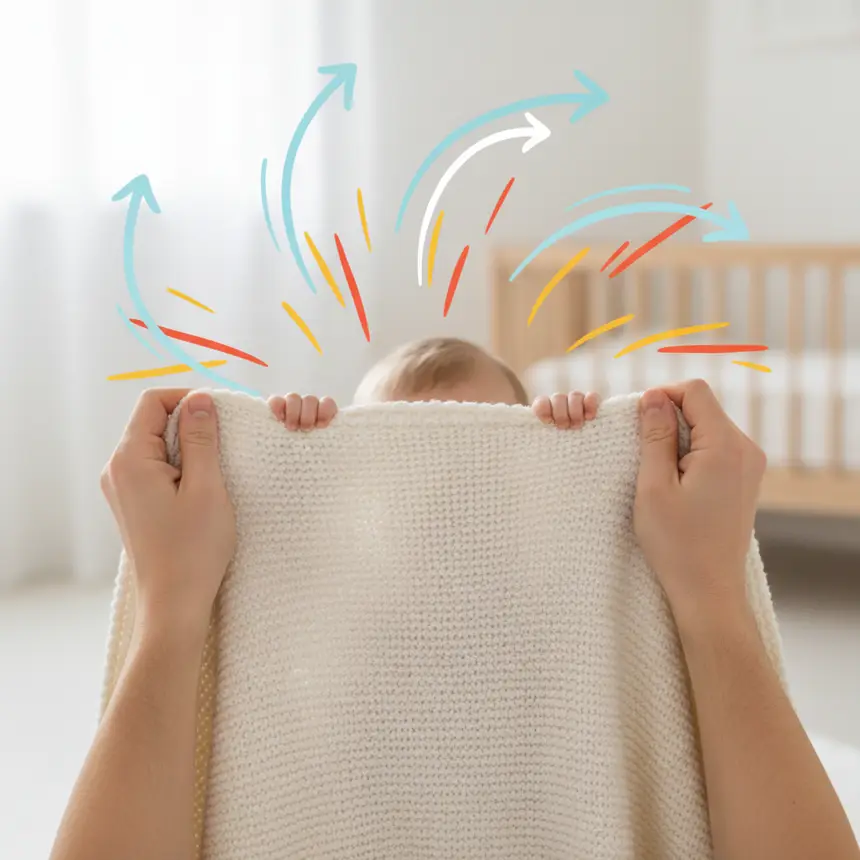
Navigating infant separation anxiety and the reattachment phase calls for thoughtful parental responses. For separation anxiety, it's vital to build your child's trust that you will return. When leaving, say a brief but clear goodbye, perhaps with a phrase like, "Mommy will be back soon," and consistently follow through on your promise. Engaging in games like peek-a-boo can also be incredibly helpful, as it teaches children that even when you disappear, you always reappear, reducing their fear of absence. When introducing new environments or caregivers, allow for a gradual transition; stay with your child initially, helping them feel secure before slowly stepping back.
During the reattachment phase, it's essential to acknowledge and validate your child's conflicting emotions. When they pull away but then immediately seek your attention, you might say, "You wanted to explore, but now you need a hug." This helps them understand their own feelings. Encourage their independent explorations, but make sure they know you are always a safe haven to return to. Offering consistent emotional support empowers them to develop both self-reliance and a strong, secure attachment to you.
During the reattachment phase, it's essential to acknowledge and validate your child's conflicting emotions. When they pull away but then immediately seek your attention, you might say, "You wanted to explore, but now you need a hug." This helps them understand their own feelings. Encourage their independent explorations, but make sure they know you are always a safe haven to return to. Offering consistent emotional support empowers them to develop both self-reliance and a strong, secure attachment to you.

Everyday Tips for Fostering Security and Independence
Here are some actionable tips to support your child through these developmental stages in your daily life:
- Create Predictable Routines: Consistent schedules for meals, naps, and bedtime provide a sense of order and security, which can reduce anxiety in young children.
- Practice Short Separations: Start with brief separations, such as stepping into another room for a few minutes. Always return as promised, gradually increasing the duration as your child becomes more comfortable.
- Acknowledge and Validate Emotions: When your child expresses distress or frustration, instead of dismissing it, acknowledge their feelings. Say something like, "It's okay to feel sad when I leave." This helps them understand and manage their emotions.
- Offer Active Interest and Physical Affection: Even when your child is engaged in independent play, offer warm glances, smiles, or gentle touches. This communicates that you are present and attentive, providing emotional reassurance and reinforcing their secure attachment.

Empowering Your Child's Journey to Independence
Infant separation anxiety and the reattachment phase are normal, albeit challenging, parts of a child's development as they learn about relationships and self-identity. These periods are crucial for forging a secure bond with parents and laying the groundwork for future independence. By offering consistent love, understanding, and patient support, parents can help their children navigate these emotional landscapes. This allows them to develop the resilience and confidence needed to explore the world more independently. Remember, while these stages can be demanding, they are also precious opportunities to deepen your connection and foster a child who is secure, happy, and ready to thrive.
Frequently Asked Questions
Q. When can I expect my baby to start showing signs of separation anxiety, and how long does it typically last?
A. Infant separation anxiety commonly begins around 6-8 months of age and often peaks between 10-18 months. While it gradually lessens, it can persist in varying degrees up to 2-3 years, as it's a normal part of their emotional development.
Q. What are the typical behaviors associated with the reattachment phase in toddlers?
A. In the reattachment phase (around 18-24 months), toddlers often show a push-pull dynamic: they might explore independently but frequently return to a parent for comfort. Emotional swings, like pushing a parent away only to immediately seek closeness, are common as they balance independence and attachment.
Q. Is it really helpful to tell my baby, 'I'll be right back,' even if they don't seem to understand?
A. Yes, it is very helpful. Consistently telling your baby you'll return, even with a short phrase, helps build trust and predictability, which reduces their anxiety. It reinforces that your departure is temporary and you will come back.
Q. How can I help my child feel more comfortable in new or unfamiliar environments?
A. When introducing new environments, stay with your child initially to provide a secure base. Allow them to gradually explore at their own pace. You can also talk positively about the new place beforehand to help set a reassuring tone.
Q. Sometimes my toddler pushes me away, making me feel rejected. How should I respond to this?
A. It's important not to take it personally. Your child pushing you away is often a sign of their growing independence. Validate their desire for autonomy by saying, 'You want to do it yourself!' while still making it clear you're available for comfort when needed. This supports their independence without making them feel truly rejected.