Picky eating in children is a common parental challenge. Discover effective strategies for eating habit improvement to ensure healthy child growth and nutritional balance. Practical tips for a happier mealtime.

Is Your Child's Picky Eating Just a Phase? Unlocking Keys to Healthy Child Growth
"Mom, I don't like this vegetable!" Mealtimes can often turn into a battleground when children refuse certain foods or shy away from new tastes. Many parents find themselves worrying, "Could this lack of nutritional balance affect their child growth?" It's true that children between 3 and 7 years old often develop a strong sense of self and can be quite sensitive to unfamiliar foods, leading to what we know as picky eating. This can be a normal part of their development, as they learn to express their autonomy. However, if these selective eating habits persist, it could potentially lead to insufficient intake of essential nutrients, impacting overall growth and development. Therefore, improving eating habits isn't just about getting them to eat more; it's a vital investment in your child's long-term child growth and ensuring proper nutritional balance.
Step-by-Step Approaches for Eating Habit Improvement: Making Mealtimes Enjoyable
Effective eating habit improvement for children is best achieved through positive, engaging experiences rather than through pressure or endless persuasion. Here are some practical strategies to help reduce picky eating and promote better nutritional balance:
- Celebrate Small Victories: Offer very small portions of a disliked food on their plate. For instance, if broccoli is the culprit, provide just a tiny piece. When they finish it, offer enthusiastic praise like, "Wow, you did it!" These positive affirmations build confidence and encourage future attempts.
- Engage the Senses with Creative Cooking: Transform ingredients into fun shapes or vibrant colors. Think star-shaped carrots or a green smoothie made with spinach. Whenever possible, involve your child in simple cooking tasks. Washing vegetables or stirring ingredients can significantly boost their interest and familiarity with food.
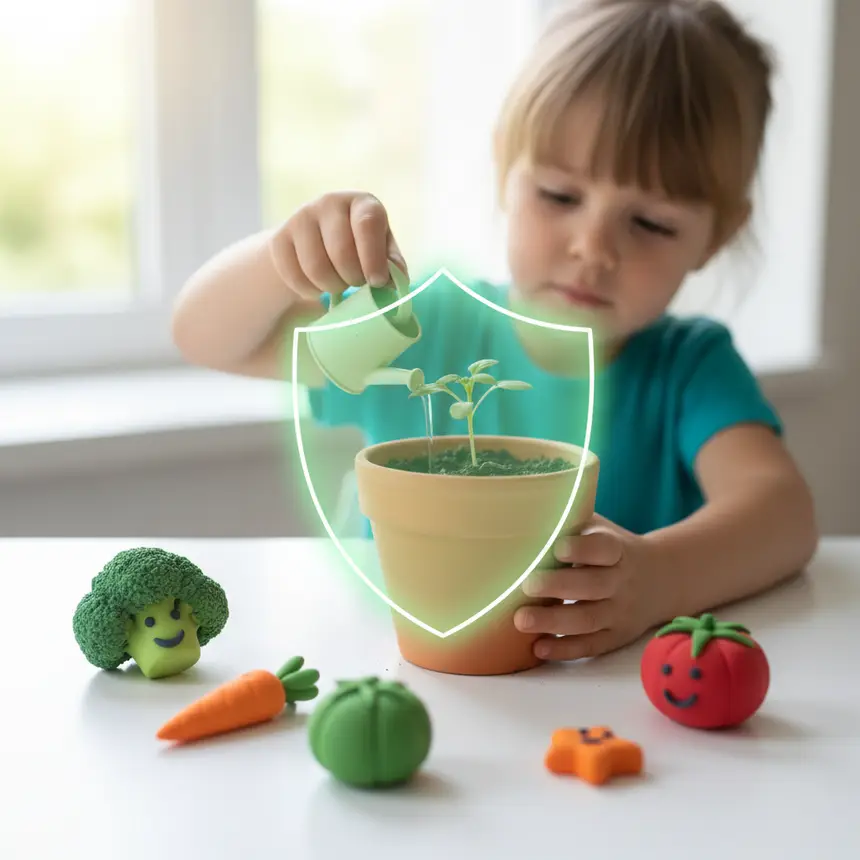
- Build Familiarity Through Nature: Growing a small herb garden or a few vegetables at home can be incredibly beneficial in reducing food aversion. As your child waters the plants and observes new sprouts, they develop a connection. When they exclaim, "This lettuce is what I grew!" their attachment to the self-grown produce can help overcome their apprehension towards new foods, making them more open to trying what they've helped cultivate.
※ This post contains affiliate links. I may earn a commission at no extra cost to you.


Overcoming Picky Eating: Patience and Consistency for Thriving Child Growth
Overcoming picky eating isn't an overnight fix; eating habit improvement is a gradual journey that requires consistent effort and patience from parents. Avoid forcing your child to eat certain foods, as this can create negative associations with mealtime. Instead, focus on setting a positive example by eating a variety of foods enthusiastically with the whole family. Children are more likely to try new things when they see their parents enjoying them. These strategies for eating habit improvement are particularly impactful for toddlers and preschoolers, generally between 3 and 7 years old, as this is a crucial period for forming new eating habits and attitudes towards food. Always offer abundant encouragement and praise for even the smallest attempt. A healthy eating habit forms the strong foundation for robust child growth and well-being.
Frequently Asked Questions
Q. Why is my child a picky eater?
A. Children aged 3-7 often assert their independence and can be sensitive to new tastes or textures. This picky eating behavior is a common and natural part of their developmental process.
Q. Should I force my child to eat specific foods?
A. Forcing food can create negative associations with eating. It's better to offer small portions and encourage positive experiences, rather than making mealtimes a battle.
Q. What steps can I take to promote healthy eating habits?
A. Involve your child in meal preparation or gardening to increase their familiarity with food. Also, model healthy eating habits by showing enjoyment of various foods yourself.
Q. Can picky eating affect my child's growth?
A. Persistent picky eating can lead to deficiencies in certain nutrients, potentially impacting child growth and overall development. Ensuring nutritional balance through eating habit improvement is important.
Q. How long does it take to improve eating habits?
A. Eating habit improvement is a gradual process that requires consistent effort and patience. Focus on praising and encouraging small steps, building positive experiences over time.