Curious about your child's age-specific growth and development? Explore key characteristics of language, physical, and cognitive development for 4 and 6-year-olds, along with essential parenting tips. Discover practical ways to support your child's healthy growth journey.

H2. Understanding and Empathizing with Parents of Growing Children
The journey of child development and growth is a continuous source of both joy and questions for parents. Particularly during pivotal early childhood years like ages 4 and 6, children demonstrate rapid changes and acquire new abilities almost daily. Some days bring noticeable progress, while others present unexpected behaviors that leave parents wondering. Throughout these stages of child development, it's natural for caregivers to worry if their child is developing typically compared to peers, or if there's anything they might be missing. This article aims to provide practical insights and strategies for understanding the key developmental characteristics of 4 and 6-year-old children, offering guidance to support their healthy growth and overall well-being.
H2. Analyzing Key Developmental Milestones in Early Childhood
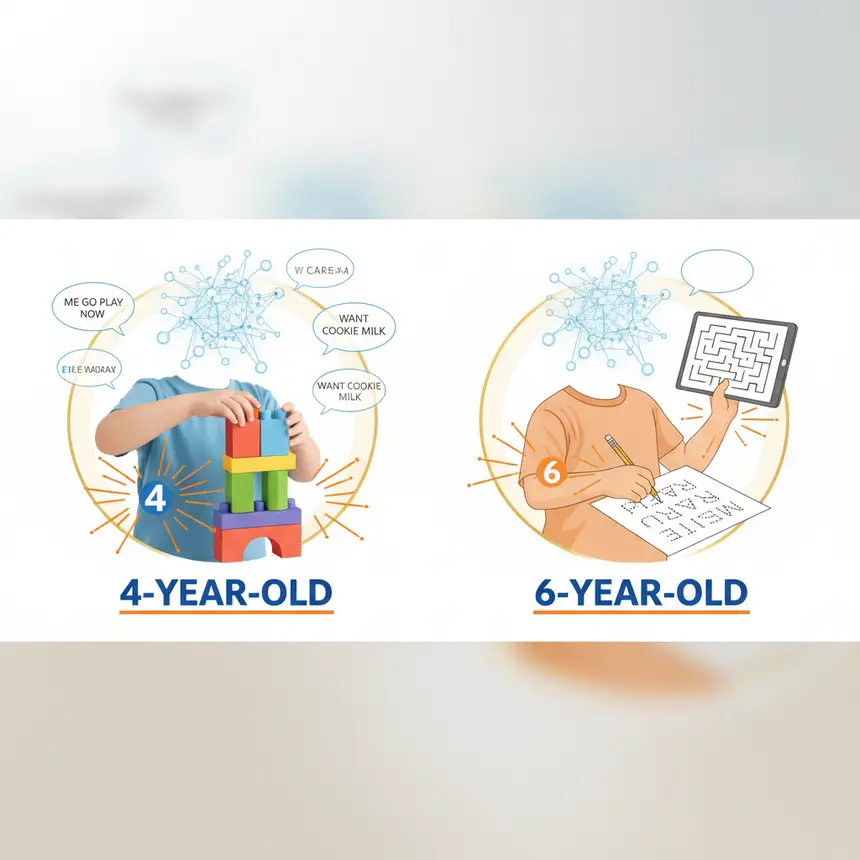
Children progress through various developmental stages at their own unique pace, with each age presenting specific milestones. For instance, at age 4, children undergo significant physical changes. Typically, a 4-year-old might be around 38-41 inches tall and weigh between 33-40 pounds, showing improved balance and motor skills that allow them to run, jump, and climb more actively. In terms of language development, their sentence structure becomes more complex and longer, though pronunciation may still be developing, and family members often understand their speech best. Furthermore, fine motor skills are rapidly improving, leading to deep engagement in manipulative play, which positively impacts dexterity and concentration.
Age 6 marks another significant leap. Children at this stage are usually about 43-46 inches tall and weigh approximately 40-48 pounds, with physical abilities becoming more refined. Cognitively, interest in letters and numbers often surges, prompting them to recognize words and attempt basic writing independently. Their memory also sharpens, allowing them to recall and express favorite things through drawing or storytelling. During this period, it's vital to stimulate curiosity and offer opportunities for self-exploration, enabling them to solve various cognitive challenges through play and develop problem-solving skills.
Age 6 marks another significant leap. Children at this stage are usually about 43-46 inches tall and weigh approximately 40-48 pounds, with physical abilities becoming more refined. Cognitively, interest in letters and numbers often surges, prompting them to recognize words and attempt basic writing independently. Their memory also sharpens, allowing them to recall and express favorite things through drawing or storytelling. During this period, it's vital to stimulate curiosity and offer opportunities for self-exploration, enabling them to solve various cognitive challenges through play and develop problem-solving skills.
※ This post contains affiliate links. I may earn a commission at no extra cost to you.

H2. Practical Strategies to Nurture Your Child's Growth and Development
To help children reach their full potential, a multi-faceted approach is essential. Here are some actionable methods for fostering healthy development:
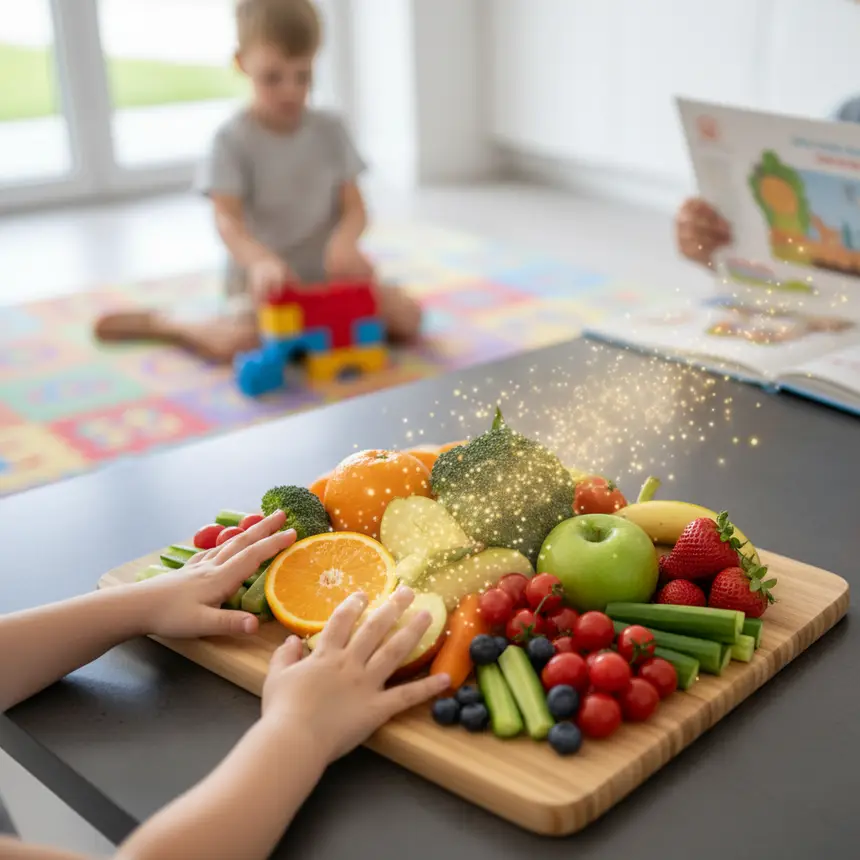
1. Balanced Nutrition: Adequate nutrient intake is crucial for a child's growth. Ensure a proper balance of proteins, carbohydrates, and fats, along with a consistent supply of vitamin and mineral-rich fruits, vegetables, and whole grains. Opt for fresh seasonal fruits or nuts over sugary snacks. Try making meals fun or cooking together to encourage positive eating habits.
2. Active Physical Play: Time spent playing outdoors is vital not only for physical development but also for emotional well-being. Encourage gross motor activities like running, jumping, and ball games. For fine motor development, suggest activities that involve a lot of hand use, such as building with blocks, drawing, or paper folding. Toys like transforming robots, which require intricate finger movements, can be particularly effective in refining fine motor skills.
3. Language and Cognitive Stimulation: Consistent conversation with your child forms the foundation of language development. Listen attentively to their words and naturally expand on their sentences. Reading picture books together and creating stories are also beneficial. Puzzles, mazes, and 'spot the difference' games enhance concentration and problem-solving abilities, contributing to logical thinking. Playing with various shaped blocks is excellent for stimulating spatial reasoning and creative thought.
4. Consistent Sleep Habits: Sufficient sleep plays a critical role in a child's growth and brain development. Establish a regular bedtime and wake-up schedule daily, and before bed, engage in calming activities like reading or quiet play instead of stimulating ones.
1. Balanced Nutrition: Adequate nutrient intake is crucial for a child's growth. Ensure a proper balance of proteins, carbohydrates, and fats, along with a consistent supply of vitamin and mineral-rich fruits, vegetables, and whole grains. Opt for fresh seasonal fruits or nuts over sugary snacks. Try making meals fun or cooking together to encourage positive eating habits.
2. Active Physical Play: Time spent playing outdoors is vital not only for physical development but also for emotional well-being. Encourage gross motor activities like running, jumping, and ball games. For fine motor development, suggest activities that involve a lot of hand use, such as building with blocks, drawing, or paper folding. Toys like transforming robots, which require intricate finger movements, can be particularly effective in refining fine motor skills.
3. Language and Cognitive Stimulation: Consistent conversation with your child forms the foundation of language development. Listen attentively to their words and naturally expand on their sentences. Reading picture books together and creating stories are also beneficial. Puzzles, mazes, and 'spot the difference' games enhance concentration and problem-solving abilities, contributing to logical thinking. Playing with various shaped blocks is excellent for stimulating spatial reasoning and creative thought.
4. Consistent Sleep Habits: Sufficient sleep plays a critical role in a child's growth and brain development. Establish a regular bedtime and wake-up schedule daily, and before bed, engage in calming activities like reading or quiet play instead of stimulating ones.

H2. The Parent's Crucial Role in Healthy Development and Conclusion
The journey of a child's growth and development is like an unfolding story, full of new discoveries and progress at every turn. The formative years of 4 and 6 are particularly vital, witnessing rapid advancements across language, cognitive, physical, and emotional domains. During this period, parents who pay attention to their child's subtle changes, offer positive interactions, and provide appropriate stimulation can profoundly impact their child's overall development. It's important to respect your child's individual pace of growth and offer abundant praise and encouragement for even small achievements. Engaging in play together as a family fosters connection, and supporting your child's exploration and learning journey is key. We hope the insights shared today serve as a small compass on your parenting journey, helping you create a happy growth story with your child.
Frequently Asked Questions
Q. My 4-year-old seems to have slower language development than peers. How can I help?
A. Language development varies greatly among 4-year-olds. Actively listen to your child and use the 'expansion' strategy: repeat their sentence in a more complete and elaborate way. For example, if they say 'car,' you might respond with, 'Yes, a red car is driving by!' Reading picture books often and asking open-ended questions can also encourage them to create their own stories.
Q. My 6-year-old isn't interested in learning to read. Should I force it?
A. For 6-year-olds, learning is most effective through play. Instead of forcing, it's better to create an environment where they naturally develop an interest in reading. Read books featuring their favorite characters, make name tags, or point out letters on signs in daily life. Once they find it interesting, they often progress quickly.
Q. What kinds of activities help with a child's fine motor skill development?
A. Activities that involve extensive use of fingers and hands are excellent for fine motor development. Building blocks, drawing, play-doh, cutting with child-safe scissors, and puzzles are classic examples. More recently, playing with toys that require manipulating small parts, like transforming robots, can also effectively enhance children's concentration and fine motor dexterity.