A guide for parents navigating 10-month-old baby solid food amounts and refusal. Learn about designing nutrient-dense meals for rapid growth and effective strategies to overcome food strikes. Discover why nutritional quality and enjoyable mealtime habits matter most.

The 10-Month Milestone: Addressing Solid Food Refusal and Nutritional Concerns During Rapid Growth
Around 10 months, babies embark on a period of intense physical development. They're often crawling, pulling themselves up, and might even be taking their first wobbly steps. This surge in activity demands a significant amount of energy, making nutrient-dense solid food a crucial component for supporting their rapid growth, far beyond just satisfying hunger. Many parents find themselves puzzled during this stage, struggling with how much to feed their baby and, more commonly, encountering what's often referred to as a 'food strike' or refusal to eat. It's completely natural to feel anxious when your baby suddenly eats less or pushes away certain foods, worrying if they're getting adequate nutrition. Solid feeding at this age is not just about physical sustenance; it's a vital phase for exploring diverse textures and tastes, laying the groundwork for healthy eating habits. Paying close attention to your baby's cues and responding thoughtfully is key.
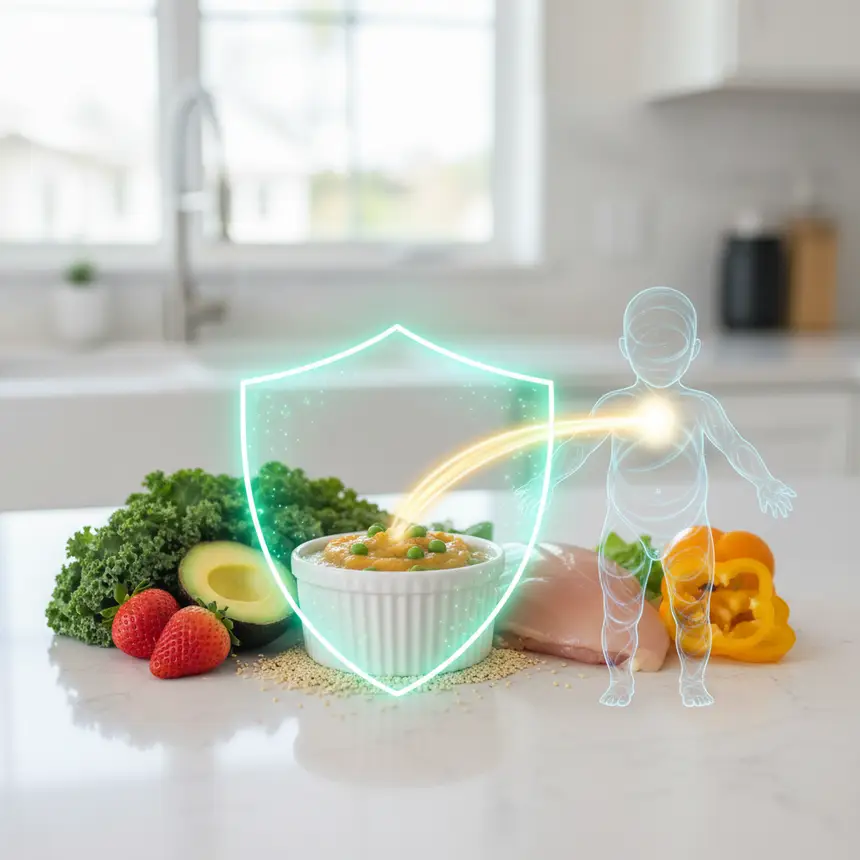
Crafting a Nutritional Blueprint for Growing Babies: Quality Over Quantity and Joyful Mealtime Habits
For a 10-month-old, the quality and density of nutrition are paramount, perhaps even more so than the sheer quantity. To support their developing gross motor skills and active lifestyle, a balanced intake of high-quality nutrients is essential.
1. Optimizing Nutrient Distribution and Meal Spacing
2. Effective Strategies for Overcoming Food Refusal
3. Prioritizing Hygiene and Safe Food Practices
1. Optimizing Nutrient Distribution and Meal Spacing
- At this age, three solid food meals per day are generally recommended. Aim for about 200g (roughly 7 ounces) per meal, totaling around 600g (21 ounces) daily. This target ensures that solid foods contribute approximately 50-60% of your baby's total daily nutritional intake.
- Maintain a generous gap of at least 3-4 hours between solid meals and milk feedings (breastmilk or formula) or snacks. This helps your baby build up an appetite and focus better on their solid food intake.
2. Effective Strategies for Overcoming Food Refusal
- Varying Textures and Particle Sizes: Often, at 10 months, food refusal isn't about new tastes but boredom with familiar textures. This is a great time to introduce 'soft lumps' or mashed food where your baby can practice mashing with their gums and front teeth. For instance, you might offer two meals of smooth puree and one meal of soft, mashed food, or adjust based on your baby's chewing abilities. Gradually increasing the particle size can rekindle their interest in eating.
- Encouraging Self-Feeding: Empower your baby to explore food independently. Offer safe finger foods or let them hold a spoon to interact with their meal. This not only aids in fine motor skill development but also fosters a positive relationship with food, turning mealtime into an enjoyable, engaging experience.
- Diverse Meal Planning: Incorporate a wide array of ingredients such as various grains, colorful vegetables, fruits, and protein sources (lean meats, poultry, fish, legumes). This ensures a broad spectrum of nutrients and keeps meals exciting, preventing monotony.
3. Prioritizing Hygiene and Safe Food Practices
- Given that a baby's immune system is still developing, rigorous hygiene is crucial when preparing solid foods. Always ensure all cooking utensils are spotless and that ingredients are fresh and thoroughly cleaned.
- Choose food storage containers made from safe materials, such as glass, to avoid concerns about environmental hormones or microplastic leaching. Opting for commercially prepared foods that adhere to strict hygienic standards, including high-temperature sterilization and vacuum sealing, can also be a reliable way to ensure your baby's safety.
※ This post contains affiliate links. I may earn a commission at no extra cost to you.


Supporting Healthy Growth Through Enjoyable, Balanced Meals
For a 10-month-old, solid food is much more than just filling their tummy; it's a critical energy source for healthy development and a foundational learning experience for establishing good eating habits through exposure to diverse tastes and textures. Your role as a parent is to ensure your baby receives all the necessary nutrients for their rapid growth while fostering a joyful, self-directed eating experience.
- Key Actions to Take: Focus on creating nutrient-dense meals. Adapt the food's texture and particle size to match your baby's developmental stage, preventing mealtime boredom. Actively encourage self-feeding to help your baby develop a positive association with food. Mealtime should be a period of connection and enjoyment for both parent and child, not one of pressure or struggle.
- Important Considerations: It's vital to closely observe your baby's individual growth pace and reactions. Not all babies will eat the same amount or adapt to new textures at the same rate. If your baby refuses food or shows signs of discomfort, be flexible; take a break or try a different approach. Through consistent effort and loving support, you can help your child develop healthy, positive eating habits that will serve them well into the future.
Frequently Asked Questions
Q. My 10-month-old suddenly refuses to eat solids. What should I do?
A. Solid food refusal is common at 10 months. Try introducing slightly lumpier textures, like soft mashed foods, instead of smooth purees, or offer baby-friendly finger foods to encourage self-feeding. Instead of forcing them, provide a variety of tastes and textures that might pique their interest, making mealtime a positive experience.
Q. How much solid food should a 10-month-old baby eat per day?
A. Generally, a 10-month-old is recommended to have three solid meals a day, aiming for about 200g (7 ounces) per meal, totaling around 600g (21 ounces) daily. This should contribute 50-60% of their total daily nutrient intake. However, adjust based on your baby's individual appetite, activity level, and overall health.
Q. What nutrients are most important for a 10-month-old's solid food?
A. At 10 months, with increased activity, it's crucial to provide a balanced diet rich in protein (lean meats, poultry, fish, legumes), carbohydrates (grains), and essential vitamins and minerals from various fruits and vegetables. Pay particular attention to iron intake. Offer a diverse range of ingredients to ensure a comprehensive nutrient profile.
Q. How should I space out solid foods and milk feedings for a 10-month-old?
A. To maximize your baby's focus on solid foods, it's best to maintain a gap of at least 3-4 hours between solid meals and milk feedings (breastmilk or formula). Offer solid food first, then supplement with milk if needed. This helps ensure they're hungry for solids and encourages them to get their primary nutrition from meals.
Q. My baby dislikes a specific food. Should I keep trying to make them eat it?
A. There's no need to force your baby to eat a specific food they dislike, as this can create negative associations with mealtime. Instead, try preparing the food in a different way, or reintroduce it after a short break. Continued, gentle exposure in various forms can help them become more accepting over time.