Is your child's fussiness at bedtime more than just a phase? Discover the profound impact of sufficient infant and child sleep on development, growth, and long-term health. Learn practical strategies to foster healthy sleep habits for your little one today.

Do You Truly Understand the Power of Your Child's Sleep?
As parents, we constantly strive to ensure our children grow up healthy and happy. But how much attention do we really give to their sleep? Beyond simple rest, a child's sleep is a cornerstone for their physical and mental development. Infants and young children typically require about 11 to 13 hours of sleep daily. This crucial period isn't just about recovering from the day; it's a golden window for boosting their immune system, enhancing brain development, and laying the groundwork for lifelong health. Is your child getting enough quality sleep to unlock these vital benefits?
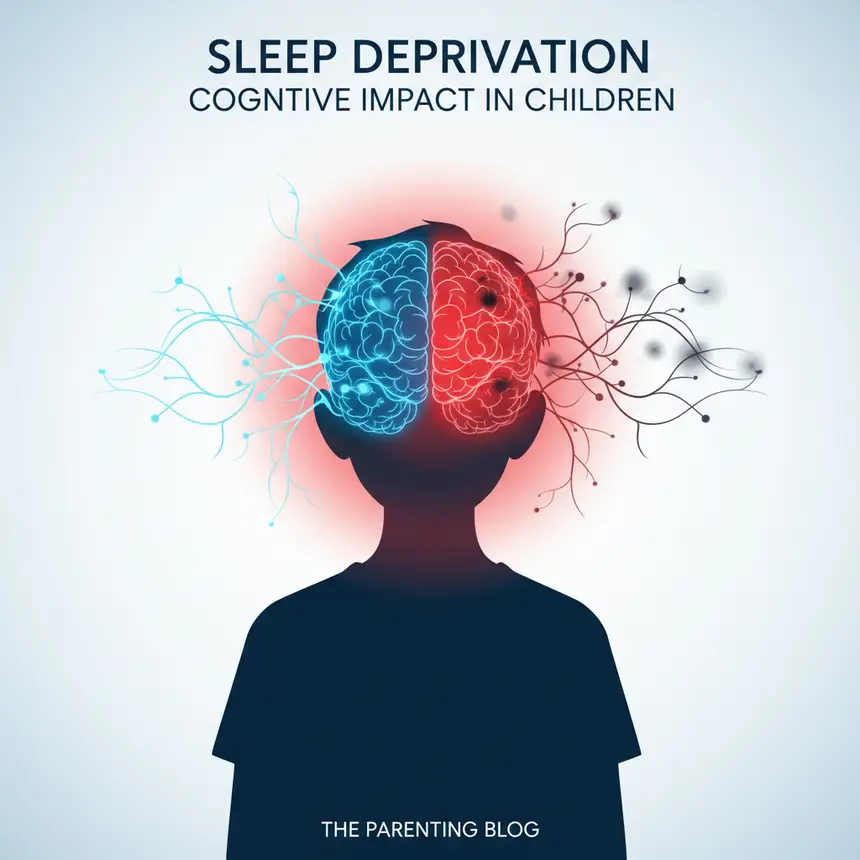
The Unexpected Impact of Sleep Deprivation on Child Development
When children don't get adequate sleep, they might show immediate signs like increased irritability or difficulty focusing. However, the consequences can be much more far-reaching. Research indicates that children with insufficient sleep may experience reduced cognitive abilities and executive function later in life. This can directly affect their learning and problem-solving skills. Furthermore, childhood sleep deprivation has been linked to a higher risk of developing metabolic conditions such as diabetes, hypertension, and obesity in adulthood. Sleep isn't merely passive; it's an active time for the body's immune system to recharge and for various organs to repair and consolidate information. Prioritizing the quality and quantity of your child's sleep is therefore a critical investment in their future health.
※ This post contains affiliate links. I may earn a commission at no extra cost to you.


Creating an Optimal Sleep Environment for Your Little One
If your child struggles to fall asleep independently, creating a sleep-inducing environment can make a significant difference.
- Strategic Lighting: About 30 minutes to an hour before bedtime, start dimming the lights throughout the house. Opt for soft, indirect lighting over bright overhead fixtures. Darkness promotes melatonin production, which naturally signals to the body that it's time to sleep. Consistently dimming the lights at the same time each evening helps your child's body recognize "sleep time."
- Warm Bath Ritual: A warm bath before bed can be incredibly effective. The warm water helps relax the body, inducing a calm, sleepy state. Be sure the water isn't too hot or cold, and keep the bath brief to avoid drying out their skin. This ritual also serves as a subtle cue that the day's activities are winding down, and it's time for rest.
- Consistent Bedtime Routine: Establish a predictable bedtime routine that you follow every night. This could include playing gentle lullabies or reading a favorite story in a calm voice. These soothing activities help prepare your child's mind and body for sleep. Consistency is key, as it helps children anticipate and transition smoothly into bedtime.

Eliminating Sleep Disruptors and Fostering Positive Habits
To ensure your child gets quality sleep, it's crucial to distinguish between what to avoid and what to encourage before bedtime.
- Screen Time Ban: Implement a strict no-screens policy for at least an hour before bedtime. This includes smartphones, tablets, and television. The blue light emitted from these devices can suppress melatonin production, interfering with sleep, and stimulating content can make children more alert and less likely to settle down. Guide your child to finish any media exposure well before their designated sleep time.
- Avoid Over-Stimulation: Steer clear of vigorous play or rambunctious activities right before bed. Getting overly excited can trigger adrenaline release, keeping your child wide awake and making it difficult to transition to sleep. Instead, encourage quiet activities like drawing, puzzles, or gentle building blocks.
- Parental Presence: For children who resist bedtime due to separation anxiety, a parent's comforting presence can be invaluable. Lying next to them or offering gentle back rubs can provide a sense of security and ease them into sleep. This practice also reinforces the idea that bedtime is a shared family experience, creating a more relaxed atmosphere.

Investing in Your Child's Sleep for a Healthier Tomorrow
Your child's sleep is far more than just a break; it's a powerful force shaping their physical growth, brain development, immune strength, and emotional well-being. It's a fundamental pillar for their overall health and future quality of life. By implementing the strategies for creating a conducive sleep environment and fostering healthy sleep habits we've discussed today, you can help your child enjoy deep, restorative sleep every night. Your consistent effort and dedication will be one of the most significant investments you make in their lifelong health. Remember, when a child sleeps soundly and peacefully, they are truly equipped to lead a healthy and happy life.
Frequently Asked Questions
Q. My child wakes up frequently at night. What can I do?
A. If your child often wakes up at night, review their daytime nap schedule and ensure the nighttime sleep environment is dark and quiet. Avoid overstimulation before bed, and maintain a consistent bedtime routine to help your child feel secure and transition smoothly into sleep.
Q. My toddler has severe sleep regressions. Should I force them to sleep?
A. Instead of forcing sleep, focus on creating a calming environment and using a soothing bedtime routine to encourage sleep naturally. Try dimming the room, ensuring quiet, and reading a story in a soft voice. Consistency in bedtime routines can significantly reduce sleep regressions.
Q. How do naps affect my child's nighttime sleep?
A. Appropriate naps help children recover from fatigue and improve concentration. However, naps that are too late in the day or too long can interfere with nighttime sleep. It's important to adhere to age-appropriate nap timings and durations, generally ensuring naps conclude 4-5 hours before evening bedtime.
Q. Is it okay to give my child milk or snacks right before bed?
A. Consuming large amounts of food right before sleep can hinder digestion and make it difficult to achieve deep sleep. Sweet snacks, in particular, can stimulate a child and should be avoided. If necessary, a small amount of warm milk about an hour before bedtime might be acceptable.