Tired of mealtime battles? Discover practical nutrition strategies and fun approaches to conquer picky eating in toddlers. Get concrete tips to support healthy growth and development.

When Your Little Eater Turns Into a Food Refuser: What's Going On?
It feels like just yesterday your baby ate everything you offered, but now, around 18 months, mealtimes have become a battleground. Your toddler shakes their head at beautifully prepared plates, sometimes even spitting out food they once loved. The worry starts to creep in: Are they getting enough nutrients? Will this affect their growth? What was once a joyful family moment transforms into a stressful daily routine, leaving you feeling frustrated and guilty for coaxing them to eat. Is this just a phase, or does it signal something more? Many parents face this common dilemma, and understanding it is key to fostering healthy development.
Beyond Tantrums: Understanding Picky Eating's Developmental Roots
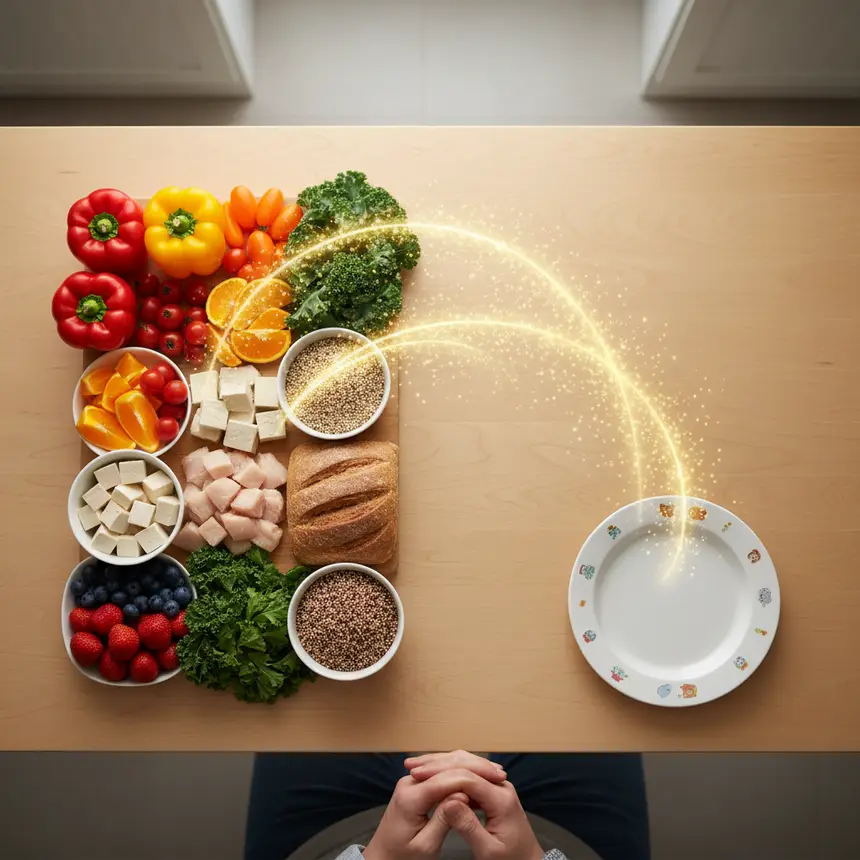
A child's refusal to eat certain foods isn't always a sign of being "difficult." Often, it's a natural developmental stage called "food neophobia," a wariness of new foods that helps young children survive. They're also exploring tastes and textures, forming their own preferences. However, persistent picky eating can lead to nutritional gaps, potentially impacting their energy levels, immune system, and overall healthy growth. During crucial growth spurts, essential nutrients like protein, vitamins, and minerals become even more vital. When kids are selective, getting these in a balanced way can be a challenge. As parents, it can feel overwhelming trying to ensure they get what they need.
※ This post contains affiliate links. I may earn a commission at no extra cost to you.

Cultivating Happy Eaters: A Balanced Approach to Nutrition
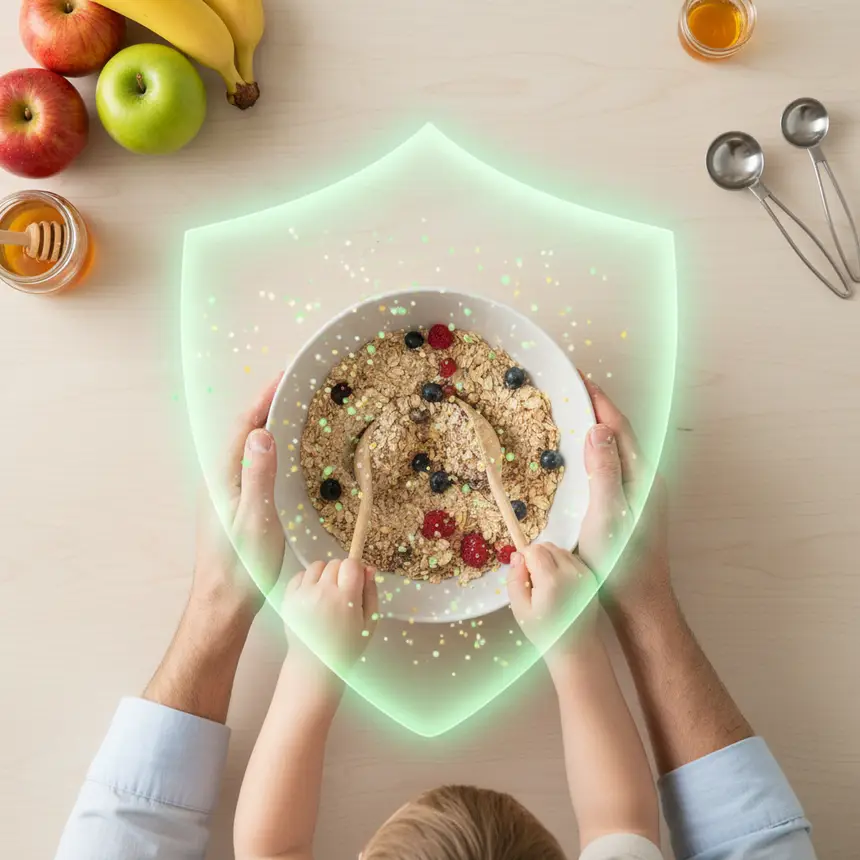
Helping your child move past picky eating and establish healthy habits requires patience and a structured approach. First, create positive food experiences. Even if they dislike an ingredient, presenting it in fun shapes or alongside a favorite food can encourage exploration. For instance, tender proteins like chicken or tofu can be marinated in a child-friendly sauce and baked, adding flavor that makes them more appealing. Second, experiment with cooking methods to boost nutrient intake. Vegetables rich in vitamins, such as carrots, can be finely grated into soft patties or steamed and sautéed to enhance their natural sweetness, making them more palatable. This is a smart way to subtly incorporate missing nutrients. Lastly, turn mealtimes into a playful experience, giving your child small choices to ignite their interest in eating.
Delicious & Easy Recipes: Winning Over Picky Palates
It's time to put these strategies into practice with specific meal ideas that can make a real difference for your child's palate.
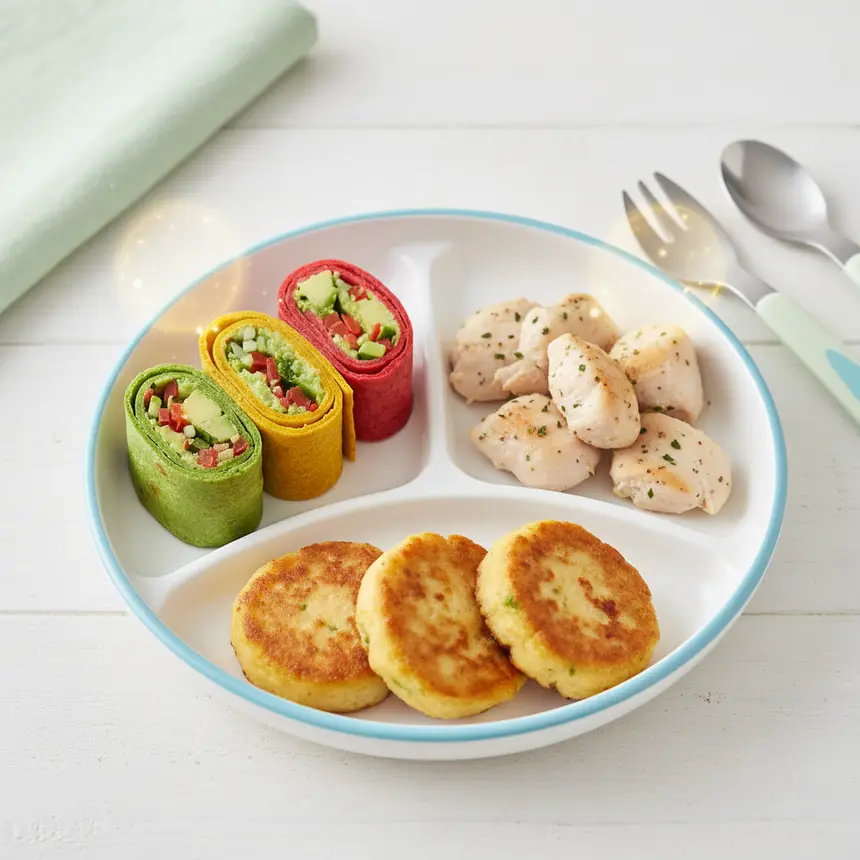
- Make Protein Fun: Tender Chicken Bites: Chicken is a popular protein source. Marinating chicken in milk for 30 minutes or more helps tenderize it and removes any gamey taste. Then, add a savory-sweet sauce with a touch of butter and soy sauce before baking or air-frying. For toddlers with a good set of teeth, let them enjoy tearing off pieces; for younger ones, cut it into small, manageable bits.
- Veggie-Packed Mini Rolls: Using seaweed and rice, mini rolls are an engaging meal. Mix cooked rice with sesame oil and seeds for a nutty flavor. For disliked veggies like carrots, steam them until soft, then finely mince and sauté with egg before mixing into the rice. Rolling these colorful ingredients into small, bite-sized portions can help your child consume vegetables without realizing it.
- Tofu Transformation: Nutritious Patties: Combine soft tofu, finely grated carrots, egg, a small amount of pancake mix (or whole grain flour), and milk to create a soft batter. Cook these over low heat until golden brown. The result is a crispy-on-the-outside, soft-on-the-inside patty. Grating carrots super fine ensures a smooth texture, making it almost impossible for kids to detect the vegetable while still getting the beneficial nutrients.
Planting Seeds of Healthy Habits with Love and Patience
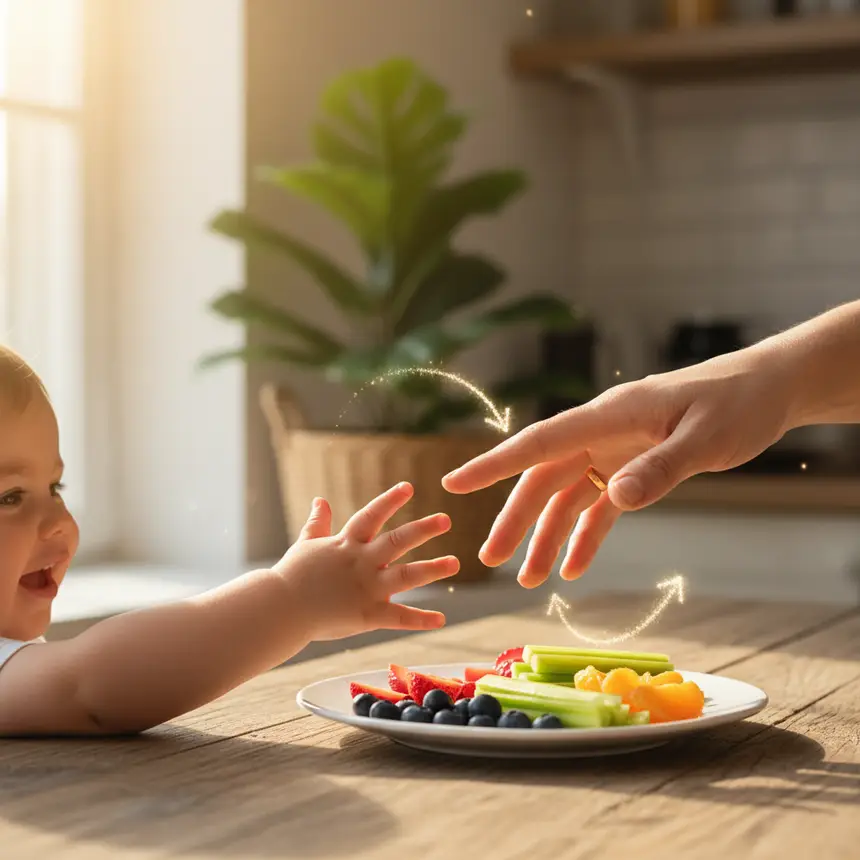
Picky eating is a significant hurdle for parents, but you're not alone. It's a common phase many children navigate as they grow. The key is consistent effort, understanding your child's unique preferences, and maintaining a positive mealtime environment. There will be days when they barely eat, but persistent creativity and varied attempts play a crucial role in expanding their palate and building healthy eating habits. Shift your focus from the pressure of "nutrient intake" to "enjoying time together." The small changes you implement today will plant positive seeds for your child's healthy growth and development. Take a deep breath, avoid rushing, and enjoy the journey of fostering a love for food with your little one.
Frequently Asked Questions
Q. What should I do if my child only wants to eat specific foods?
A. Try alternating their favorite foods with new or less preferred ones. Present disliked foods in fun shapes or with a preferred sauce to create positive associations and encourage exploration.
Q. Can picky eating really impact my child's growth and development?
A. Long-term picky eating can lead to deficiencies in specific nutrients, which may result in insufficient energy for growth, reduced immunity, and other health impacts. A balanced diet is crucial for healthy development.
Q. Are there effective ways to get my child to eat vegetables they dislike?
A. You can finely grate vegetables and mix them into other foods (e.g., tofu patties, fried rice), make purees mixed with favorite fruits, or cut them into fun shapes to pique curiosity.
Q. My child and I battle at every mealtime. How can I make it better?
A. Focus on creating a positive, pressure-free mealtime atmosphere. Offer your child opportunities to feed themselves, and model healthy eating habits. This can significantly improve the experience.
Q. Are store-bought toddler meals a good option for picky eaters?
A. While convenient, store-bought meals often lack the variety of textures and tastes found in homemade food. They can be part of the diet, but it's best to combine them with fresh, homemade meals to expose your child to a wider range of food experiences.