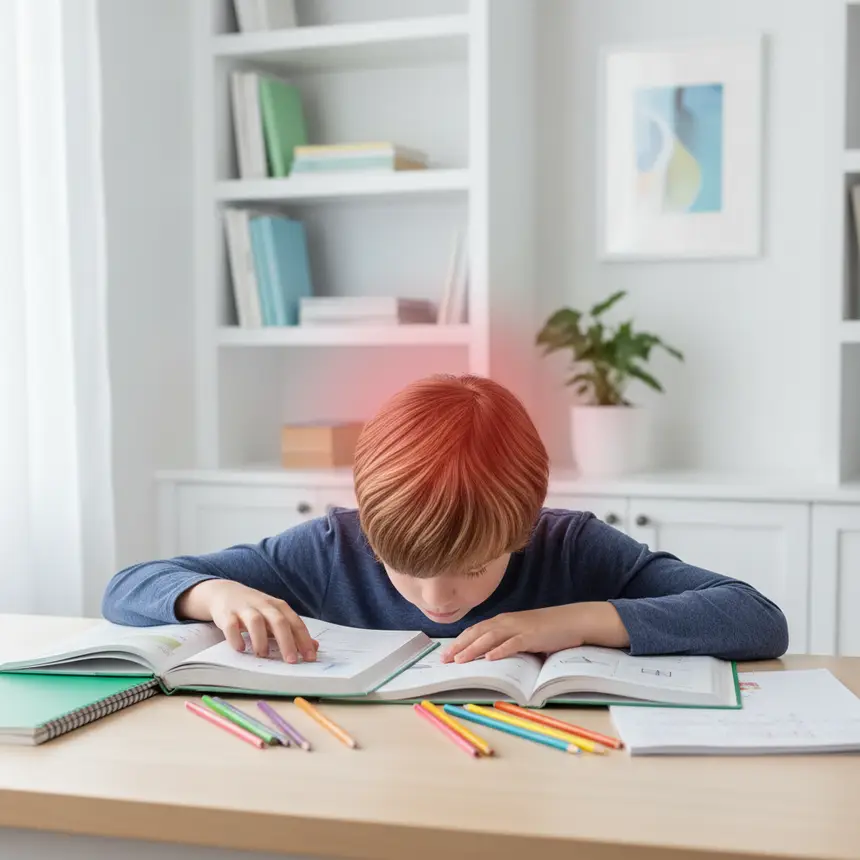
Environmental changes significantly impact a child's emotional stability and growth. Discover smart parenting strategies to reduce anxiety and support healthy development during transitions like moving or changing schools.

Unexpected Life Changes: How Do They Affect Our Children?
Starting anew, whether it's moving homes or adjusting to a new school, brings excitement but also demands significant effort and preparation. While adults often experience stress during such transitions, for children, these changes can be even more complex. A parent might see their child thrilled about a new playground or a different room, yet beneath the surface, the disruption of familiar routines can quietly stir feelings of anxiety or confusion. Unforeseen environmental shifts can impact a child's sleep patterns, alter their eating habits, or manifest as irritability and listlessness. During these periods of change, a parent's keen observation and wise approach are crucial for fostering their child's healthy development and emotional well-being.

Key Strategies for Supporting Your Child's Emotional Balance and Growth During Transitions
Helping children adapt well to environmental changes and thrive requires a multifaceted strategy. Above all, it's essential to help your child feel secure.
- Open Communication and Empathy: Discuss the new environment or situation with your child at their level. Explain what they're curious about, and validate any anxieties or concerns they might be feeling. Acknowledging and respecting their emotions can provide immense comfort.
- Maintaining Familiar Routines: Even amidst a busy move or other external changes, strive to keep your child's basic routines, like sleep and meal times, as consistent as possible. Predictable routines offer a sense of stability, reducing anxiety by creating a reliable environment.
- Balanced Nutrition and Regular Meals: Despite hectic schedules, your child's nutritional intake should not be overlooked. Plan meals that are both convenient and nutritionally balanced, or incorporate their favorite healthy ingredients to minimize resistance. Regular meals contribute positively to both physical health and emotional stability.
- Encouraging Physical Activity: Even while adapting to a new environment, it's vital to ensure children have time for physical activities to release energy and alleviate stress. Even a short play session at a nearby park or simple indoor games can boost your child's mood and physical development.
- Exploring the New Environment Together: Create positive experiences by exploring child-friendly places in the new neighborhood, such as playgrounds or libraries. Fostering a positive perception of the new surroundings is effective in enhancing your child's adaptability.
※ This post contains affiliate links. I may earn a commission at no extra cost to you.


Building a Foundation for Growth with Parental Patience and Love
Environmental changes are a source of stress not only for children but also for parents. During such times, parental exhaustion can affect children, making it important for parents to manage their own stress. Taking short breaks or sharing responsibilities with a partner can help reduce the burden. A child's adjustment process doesn't happen overnight. Sometimes, children might react sensitively or display behaviors different from their usual. In these moments, a parent's patience, consistent love, and positive support play a decisive role in helping the child successfully adapt to new surroundings and grow healthier. Acknowledge even small changes, celebrate minor successes together, and lay the groundwork for a stable life. If your child exhibits prolonged anxiety or significant behavioral changes, consulting a child development specialist can be a wise step.
Frequently Asked Questions
Q. How long does it usually take for a child to adjust to a new environment?
A. It varies greatly among children, but typically it can take anywhere from two weeks to two months. Consistent parental support and maintaining a routine can help shorten the adjustment period.
Q. After moving, my child suddenly started waking up at night or refusing meals more often. What should I do?
A. These could be signs of anxiety due to the environmental change. Try having a comforting conversation before bedtime or establishing a stable sleep routine. For meals, offer healthy options your child enjoys to reduce stress. It's important to go at their pace rather than forcing them.
Q. Are there simple activities I can do with my child during a busy move?
A. Even a short break from unpacking to dance to your child's favorite song or a brief walk around the new neighborhood can bring immense joy and comfort. These small moments spent with a parent provide great reassurance to a child.