The six-month mark brings exciting new movements and explorations for babies. Discover key developmental stages like independent sitting, tummy time aversion, and attempting to stand, along with how parents can support this growth. Practical tips for nurturing your baby's unique journey.

The Remarkable Shift: From Wobbles to Steady Sitting
Around six months, parents often marvel at the incredible developmental leaps their babies are making. This period marks a time when infants gradually begin to master their core strength, sitting unsupported and eager to explore the world from a new vantage point. Many parents can relate to the common concern of wondering when their own baby will sit independently, perhaps comparing them to other babies at playdates who seem to sit effortlessly. Initially, babies frequently topple over, forward or sideways, as they struggle to maintain balance. Yet, through these countless tumbles, they persistently learn to stabilize themselves. This journey of infant growth is a continuous series of unpredictable wonders, with each small change bringing immense joy and curiosity to parents.

Key Developmental Leaps at Six Months: Sitting, Tummy Time Resistance, and Standing Cues
As babies approach or reach the six-month mark (approximately 170 days), a significant transformation occurs: they become much more stable and capable of sitting independently. This newfound ability opens up a whole new world for them. They can hold their backs straight and sit for extended periods without hand support, leading to an expanded field of vision and a more active engagement with their surroundings. This physical development positively influences their cognitive growth as well.
However, with the mastery of sitting, another intriguing change often arises: a noticeable aversion to tummy time. Babies who can now sit comfortably and survey their environment more broadly often try to avoid the more restrictive and seemingly uncomfortable prone position. This is a perfectly natural part of development, reflecting a baby's growing ability to control their body and choose a preferred, more comfortable posture.
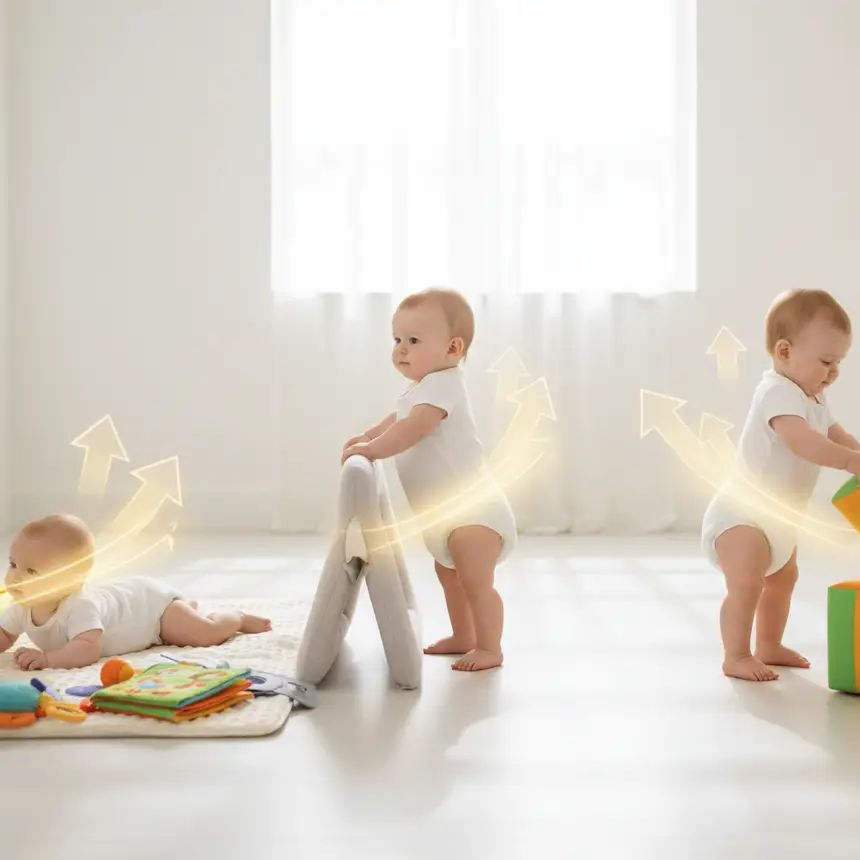
Furthermore, during this stage, leg muscles and core strength develop rapidly, leading babies to attempt pulling themselves up to stand. They might grasp a parent's hands to pull themselves upward or hold onto low furniture, bracing their knees to push themselves into an upright position. These actions signify a strong drive towards the next stage of mobility. It's crucial to understand that infant development isn't a series of isolated skills appearing one after another, but rather an interconnected, stair-step process where each milestone builds upon the last.
However, with the mastery of sitting, another intriguing change often arises: a noticeable aversion to tummy time. Babies who can now sit comfortably and survey their environment more broadly often try to avoid the more restrictive and seemingly uncomfortable prone position. This is a perfectly natural part of development, reflecting a baby's growing ability to control their body and choose a preferred, more comfortable posture.
Furthermore, during this stage, leg muscles and core strength develop rapidly, leading babies to attempt pulling themselves up to stand. They might grasp a parent's hands to pull themselves upward or hold onto low furniture, bracing their knees to push themselves into an upright position. These actions signify a strong drive towards the next stage of mobility. It's crucial to understand that infant development isn't a series of isolated skills appearing one after another, but rather an interconnected, stair-step process where each milestone builds upon the last.
※ This post contains affiliate links. I may earn a commission at no extra cost to you.

Nurturing Your Baby's Growth: Everyday Support Strategies
As parents, observing your baby's remarkable growth is a privilege, and your role in supporting this journey is vital. The key is not to rush development but to provide an appropriate environment and encouragement tailored to each stage.
- Fostering Balanced Movement:
- For Stable Sitting: Once your baby starts sitting, arrange safe toys and objects around them. Encourage them to reach, twist, and move while seated, which naturally strengthens core muscles. Use a soft playmat to cushion any potential falls, but allow your baby ample opportunity to practice balancing independently.
- For Tummy Time: Even if your baby shows resistance to tummy time, it's beneficial to maintain short, frequent sessions. Place engaging picture books, mirrors, or sound-making toys in front of them to make tummy time a fun and stimulating experience. This position remains crucial for developing neck, shoulder, and core strength.
- For Standing Attempts: If your baby begins to try pulling themselves up, provide sturdy, safe furniture or baby-friendly grab bars. Support their attempts to stand independently rather than forcing them into position, and offer plenty of praise and encouragement when they succeed.
- Essential Nutritional Support for Growth:
- Diverse Solid Foods: This period marks the beginning of solid food introduction. Offer a balanced variety of iron-fortified cereals, pureed vegetables and fruits, and soft protein sources. Adequate nutrition provides the energy and essential nutrients for rapid growth. Discuss with your pediatrician if vitamin D supplementation is appropriate, as it's critical for bone health and immune function.
- Positive Interactions:
- Active Responsiveness: Respond to your baby's new movements and attempts with warm smiles and enthusiastic praise. Your positive feedback motivates them to keep trying new challenges without fear. Creating a safe and stimulating environment for exploration also significantly boosts their confidence and independence.
Practical Activities to Encourage Growth at Home
A baby's growth journey is a continuous discovery every single day. Here are some easy activities you can implement at home to effectively support your little one's development:
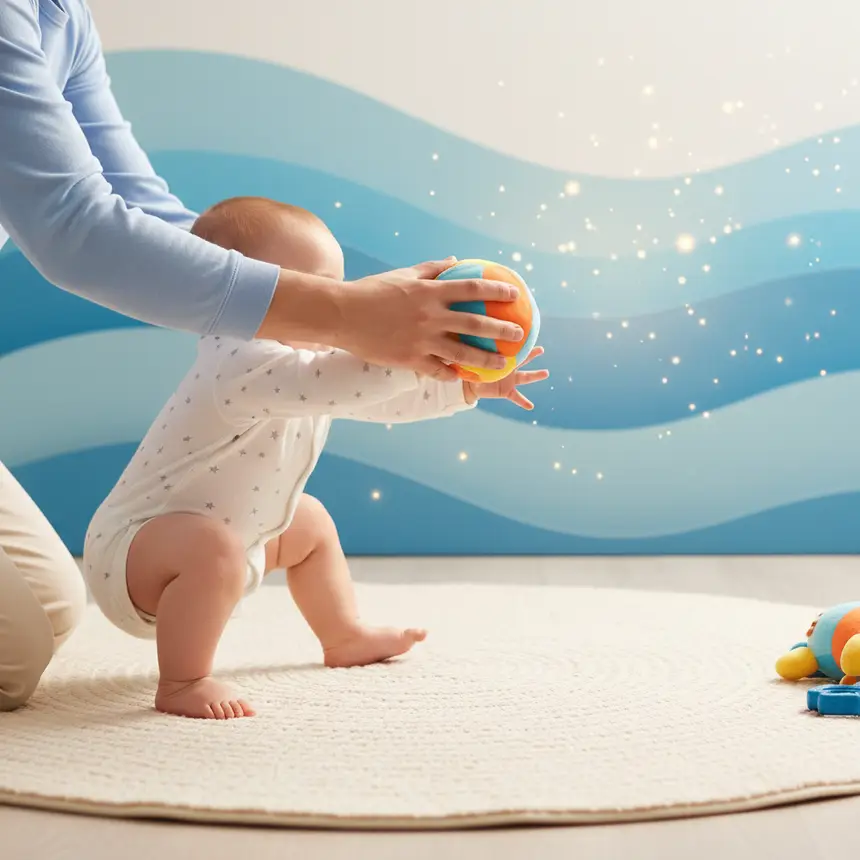
1. Create a Safe Sitting Play Zone: Once your baby can sit, set up a clear, spacious area on a soft, padded mat free from hazards. This allows them to explore their balance, twist their body, and reach for toys while seated, naturally strengthening their core muscles.
2. Make Tummy Time Fun: Even if your baby dislikes it, integrate several short tummy time sessions, perhaps 5 to 10 minutes each, throughout the day. Place engaging mobiles, picture books, or mirrors in front of them, or get down to their eye level and interact playfully. This can transform tummy time into a positive experience.
3. Offer Active Exploration Opportunities: When your baby shows signs of wanting to pull to stand, provide them with sturdy, age-appropriate furniture (like a low bookshelf or a safe baby activity table) to hold onto and pull themselves up. It's important to allow them to experiment and achieve this milestone independently, rather than always pulling them up yourself.
4. Maintain a Consistent Routine: Adequate sleep and regular feeding are fundamental energy sources for your baby's physical and mental development. A stable daily rhythm helps your baby feel secure, allowing them to channel their energy into growth and learning.
5. Provide Active Emotional Support: Every time your baby attempts to master a new skill, offer warm encouragement and loving eye contact. Phrases like "You did it!" or "Great job!" can significantly boost their confidence and willingness to embrace new challenges.
1. Create a Safe Sitting Play Zone: Once your baby can sit, set up a clear, spacious area on a soft, padded mat free from hazards. This allows them to explore their balance, twist their body, and reach for toys while seated, naturally strengthening their core muscles.
2. Make Tummy Time Fun: Even if your baby dislikes it, integrate several short tummy time sessions, perhaps 5 to 10 minutes each, throughout the day. Place engaging mobiles, picture books, or mirrors in front of them, or get down to their eye level and interact playfully. This can transform tummy time into a positive experience.
3. Offer Active Exploration Opportunities: When your baby shows signs of wanting to pull to stand, provide them with sturdy, age-appropriate furniture (like a low bookshelf or a safe baby activity table) to hold onto and pull themselves up. It's important to allow them to experiment and achieve this milestone independently, rather than always pulling them up yourself.
4. Maintain a Consistent Routine: Adequate sleep and regular feeding are fundamental energy sources for your baby's physical and mental development. A stable daily rhythm helps your baby feel secure, allowing them to channel their energy into growth and learning.
5. Provide Active Emotional Support: Every time your baby attempts to master a new skill, offer warm encouragement and loving eye contact. Phrases like "You did it!" or "Great job!" can significantly boost their confidence and willingness to embrace new challenges.

Embracing the Journey: Patience and Celebrating Unique Developmental Paths
It's natural for parents to feel a sense of urgency or comparison regarding their child's developmental timeline. However, infant development is not a uniform process; each baby follows their own unique pace and path. Some babies might sit first, while others might prefer to crawl, demonstrating a wide array of variations in developmental trajectories. The most important thing is to acknowledge and celebrate your baby's individual achievements and the unique journey they are on.
At around six months, when your baby starts sitting independently, resisting tummy time, and attempting to pull to stand, these are clear and natural signs of growth. While these milestones offer helpful guidance, parents should respect their child's individual pace and observe their progress with love and patience. Watching their tiny hands explore the world and their clumsy movements lead to new skills reminds us that every day is a gift. Trust in your baby's development and allow them the space to grow at their own speed. With your warm presence and steadfast support, your child will flourish and develop healthily, following their own unique rhythm.
At around six months, when your baby starts sitting independently, resisting tummy time, and attempting to pull to stand, these are clear and natural signs of growth. While these milestones offer helpful guidance, parents should respect their child's individual pace and observe their progress with love and patience. Watching their tiny hands explore the world and their clumsy movements lead to new skills reminds us that every day is a gift. Trust in your baby's development and allow them the space to grow at their own speed. With your warm presence and steadfast support, your child will flourish and develop healthily, following their own unique rhythm.
Frequently Asked Questions
Q. My 6-month-old isn't sitting unsupported yet. Should I be worried?
A. Babies typically start sitting independently between 5 and 7 months of age. If your baby isn't sitting on their own at 6 months, there's usually no need for immediate concern. Every baby develops at their own pace, and some may simply need a little more time for their core muscles and balance to develop. However, if you notice significant delays in other developmental milestones or have persistent worries, consulting with a pediatric development specialist for advice is always a good idea.
Q. My baby hates tummy time ever since they started sitting. What can I do?
A. It's common for babies around 6 months to dislike tummy time once they've mastered sitting. Being able to sit allows them a wider view of the world, making the prone position feel restrictive. However, tummy time remains crucial for developing neck, shoulder, and core muscles. Instead of stopping it completely, try short, frequent sessions. Use engaging toys, mirrors, or lie down at their eye level to make it a more enjoyable experience. Always ensure your baby is in a good mood when starting, and stop if they become fussy.
Q. Is it too early for my 6-month-old to be trying to pull to stand?
A. It's quite normal for some babies to start attempting to pull themselves to a standing position around 6 months. This is a positive sign that their leg strength and core muscles are developing well. If your baby initiates these attempts, provide a safe environment and encourage them. There's no need to force or rush them, but supporting their natural exploratory drive is beneficial.
Q. Are there any specific supplements my baby needs for optimal development?
A. For 6-month-old babies, the primary focus for nutrition should be on a balanced diet through solid foods and breast milk or formula. Offering a variety of nutrient-rich purees and foods is crucial. Essential nutrients like iron and Vitamin D are important for growth. Specific supplements aren't universally required, and whether your baby needs any additional supplements should always be discussed with your pediatrician to ensure it's safe and appropriate for their individual needs.
Q. I'm concerned my baby's development seems slower than other babies their age.
A. Every baby follows their unique developmental timeline. While developmental milestones provide a general timeframe, individual differences are normal. It's best to focus on your baby's individual progress rather than comparing them strictly to peers. However, if you observe a persistent and significant delay in multiple developmental areas, or if your concerns are substantial, it's always advisable to consult with a pediatrician. They can accurately assess your baby's development and offer tailored advice.