Discover the importance of youth sports and swimming for child development. An expert explains how these activities boost physical health, build perseverance, and instill a sense of achievement. Foster healthy exercise habits for your child's well-rounded growth.

Are You Guiding Your Child's Growth in the Right Direction?
Every parent seeks to provide the best environment for their child's healthy development and happiness. When it comes to fostering comprehensive growth, physical activities like youth sports and swimming play a pivotal role that extends far beyond just building strength. What exactly can our children gain from consistent physical engagement from an early age? The first challenges, minor setbacks, and eventual triumphs in achieving goals are invaluable stepping stones for cultivating a child's perseverance and self-confidence. Let's explore together how parents can best support and navigate their children through these crucial developmental stages.
Key Ingredients for Child Development: Physical Activity and Experiencing Challenges
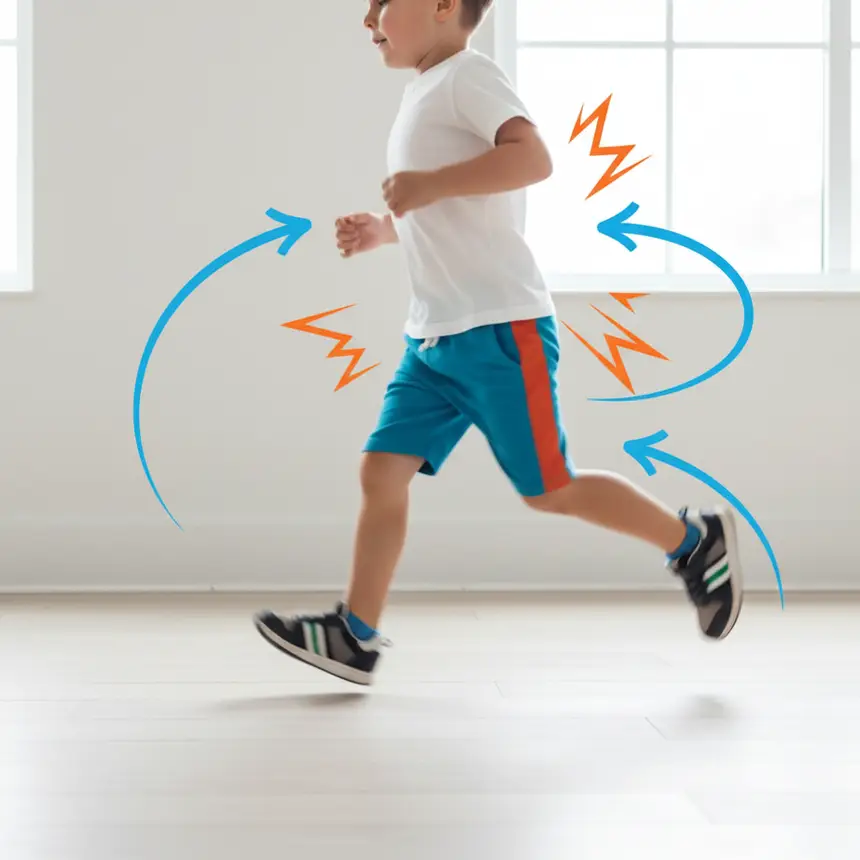
A child's healthy development encompasses more than just physical growth; it's intricately linked to cognitive abilities, emotional stability, and social skills. Engaging in diverse physical activities during early childhood significantly boosts brain development, facilitates new learning, and enhances problem-solving capabilities. Through actions like walking, running, and jumping, children explore their physical limits. The experiences of falling and getting back up, or striving towards a goal, build courage and tenacity, teaching them not to fear failure. For instance, overcoming the initial fear of water and mastering swimming techniques provides children with a series of successes, big and small, which are essential for forming a positive self-concept.
※ This post contains affiliate links. I may earn a commission at no extra cost to you.


Unlocking Your Child's Potential Through Consistent Youth Sports Participation
Consistent participation in youth sports is a powerful tool for unleashing a child's hidden potential. Regular activity positively impacts both physical and mental well-being, laying a crucial foundation for long-term development.
- Boosting Fitness and Balanced Physical Development: Structured youth sports, often starting around age 5-6, significantly strengthen a child's cardiovascular system, develop muscles, and improve flexibility. Full-body exercises like swimming, in particular, enhance balanced physical control and contribute to proper posture during crucial growth phases. Over three years of consistent engagement in such activities builds robust physical endurance, providing children with the energy to thrive during their school years.
- Overcoming Setbacks and Experiencing Achievement: It's natural for children not to master every activity from the outset. Facing minor hurdles, such as failing to meet a specific time goal, but then re-engaging and eventually succeeding, becomes a valuable asset. For example, if a child doesn't complete a swimming test within the 2-minute, 20-second time limit for 100 meters, the process of practicing again and ultimately achieving that goal instills patience and persistence. These experiences are vital for shaping a child's attitude toward the numerous challenges they will encounter throughout life.
- Goal Setting and Enhanced Self-Directed Learning: When children set personal goals, such as achieving a certain skill level or technique, and work towards them, it fosters self-directed learning. Parents play a crucial role in encouraging and supporting their child's efforts without over-intervening, and celebrating their accomplishments wholeheartedly when they achieve them independently. This instills a powerful 'I can do it' confidence, positively impacting future learning and overall development. Small successes in sports can even become a source of profound pride, allowing children to identify it as 'something I'm really good at.'

Establishing Sustainable Exercise Habits for Your Child's Ongoing Growth
For a child, exercise should evolve from a one-off event into a sustainable habit. Here are some practical steps to help achieve this:
- Choose Activities Based on Interest and Developmental Stage: It's paramount to select activities your child genuinely enjoys and can focus on. Explore various youth sports programs like swimming, martial arts, or soccer, finding one that aligns with your child's temperament and current developmental stage. If interest wanes or an activity no longer suits their development, it's wise to consider switching to a different one or taking a break, rather than forcing continuation.
- Instilling the Value of Consistency: Encourage participation in activities on fixed days and times each week to help build a regular routine. This helps children naturally grasp that consistency leads to significant results. Even if they encounter a temporary slump, conveying a positive message that persistent effort will eventually bear fruit is crucial.
- Positive Feedback and Unwavering Encouragement: When your child learns a new skill or reaches a goal, praise not just the outcome but specifically the effort and attitude they displayed throughout the process. Instead of saying, 'You almost made it, just 5 seconds faster next time,' try 'You worked so incredibly hard and made so much progress! I know you'll conquer it next time.' Such encouragement provides greater motivation. Consistent support and cheerleading from the family empowers children to tackle challenges without giving up. Healthy child development flourishes within an environment of parental love and steady attention. Through youth sports, we can help our children grow to be physically robust, mentally resilient, and confident in their ability to achieve anything they set their minds to.
Frequently Asked Questions
Q. What is the best age to start youth sports?
A. While it varies by a child's individual development, generally, 5-6 years old is a suitable age to begin structured youth sports. At this stage, basic motor skills are developing, and social skills are enhancing, making it an excellent time to experience various activities under professional guidance.
Q. What should I do if my child dislikes exercise or quickly loses interest?
A. If your child loses interest in a particular sport, instead of forcing it, consider suggesting other activities or taking a break. It's important to respect their opinion and present exercise in a fun, play-like manner. Even simple walks with parents or playing at the park can be beneficial.
Q. Can youth sports activities impact a child's academic performance?
A. Yes, they can have a positive impact. Consistent physical activity boosts brain development, improves concentration, and helps relieve stress. These benefits can indirectly contribute to a child's ability to focus more effectively on academics and enhance overall learning efficiency.
Q. How should I comfort my child if they feel frustrated during sports?
A. When a child feels frustrated, it's crucial to acknowledge and praise their effort and persistence throughout the process, rather than just the outcome. Offer positive messages like, 'You tried so hard, and you've improved so much! You'll get it next time,' which can empower them to challenge themselves again.