Is your 4-month-old experiencing sudden diarrhea? Learn key parenting strategies for managing infant diarrhea symptoms, preventing complications, and supporting your baby's gut health.

When Sudden Diarrhea Strikes: A Parent's Initial Jolt
Parenthood is a journey filled with constant learning, especially as your baby adapts to the world. For a 4-month-old infant, whose immune system is still developing, digestive upsets can be particularly concerning. One moment your baby is having regular bowel movements, and the next, they're experiencing frequent, watery stools. This sudden shift in your 4-month-old's stool consistency can immediately trigger worry and anxiety in any parent. Recognizing these early signs, even if they seem minor at first, is crucial. It’s natural to feel overwhelmed when faced with unfamiliar infant diarrhea symptoms, but being prepared with the right knowledge can make all the difference in providing timely and effective care for your little one.
Deciphering Infant Diarrhea: Causes and Concurrent Issues
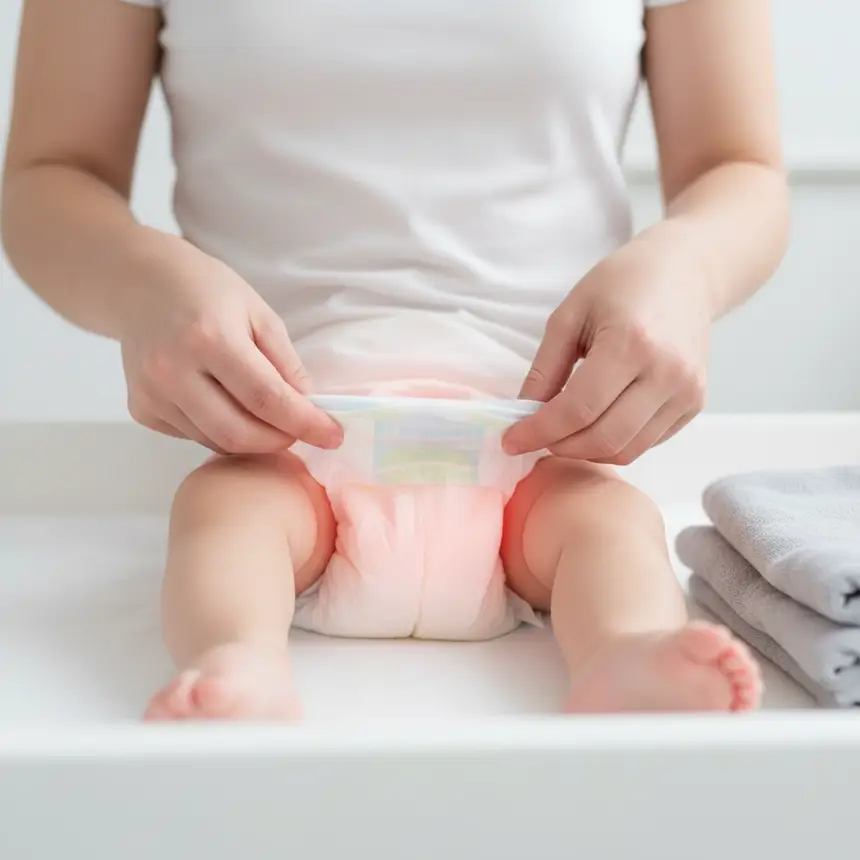
Infant diarrhea isn't just about loose stools; it can stem from various causes and present with different accompanying symptoms. Viral gastroenteritis is a common culprit, often introduced through older siblings attending daycare or through exposure in public spaces. A baby's vulnerability can dictate the severity of their symptoms. When a baby develops diarrhea, they might become fussier, have difficulty sleeping, and in some cases, develop a low-grade fever. The frequent bowel movements also pose a significant risk of diaper rash, causing the delicate skin around their bottom to become red, irritated, and even broken. These skin irritations add to the baby's discomfort. If you observe a rapid increase in watery stools and a general decline in your baby's usual cheerful disposition, it's a clear signal that proactive infant diarrhea management is needed. Even without vomiting, which heightens dehydration risk, persistent diarrhea can still be very taxing on a young infant.
※ This post contains affiliate links. I may earn a commission at no extra cost to you.


Nourishing Your Baby's Gut Health: Dietary Adjustments and Hydration
When an infant is experiencing diarrhea, focusing on appropriate nutrition and adequate hydration becomes paramount. Since the baby's digestive system is compromised, their usual diet might be too challenging to process. Consulting with a pediatrician to discuss temporary dietary changes, such as specialized formulas for digestive upset tailored to the baby's age and specific symptoms, can be beneficial. These specialized formulas often have unique preparation instructions, such as requiring water at a specific temperature for proper dissolution and then cooling it adequately before feeding. Adhering to these guidelines is vital to maintain the formula's nutritional integrity and ensure safe consumption. While a baby might initially resist an unfamiliar taste, consistent and patient feeding is key. Once symptoms improve, a gradual transition back to their regular formula or solid foods should be implemented to allow their gut to re-adapt gently. Moreover, preventing dehydration by encouraging frequent, small sips of fluids is a critical component of managing infant diarrhea.

Practical Infant Diarrhea Management: Preventing and Treating Diaper Rash
The delicate skin on a baby's bottom often bears the brunt of frequent diarrhea, leading to painful and distressing diaper rash. Effective infant diarrhea management hinges significantly on meticulous skin care. The first and most important step is to change soiled diapers immediately and gently cleanse the baby's bottom with running water, rather than just wipes, to minimize irritation. After washing, gently pat the area completely dry with a soft towel, ensuring no moisture remains. Applying a thick layer of a protective barrier cream or ointment can create a shield against stool and urine, allowing the skin to heal. When feasible, allowing the baby some diaper-free time during the day can significantly aid in skin recovery by promoting air circulation and drying. In cases of severe rash, a fungal infection might be present, and particular vigilance is needed for baby girls due to an increased risk of urinary tract infections. Always monitor for fever or worsening symptoms and consult your pediatrician if concerns arise.

Empowering Parents: Nurturing Your Baby's Health Through Challenging Times
When a baby is unwell, a parent's heart often aches with helplessness. Facing digestive issues like diarrhea in a young infant can make you wish you could take their place. Your baby's well-being relies heavily on your keen observation and informed responses. While 4-month-old infant diarrhea symptoms are a common part of a baby's developmental journey, it's crucial not to underestimate their impact. Consistently applying the nutritional advice, hygiene practices, and skin protection methods discussed will fortify your baby's gut health. Responding promptly to your baby's discomfort and providing loving care not only addresses their physical needs but also fosters a sense of security and emotional well-being, which are foundational for healthy growth. We encourage all parents to tune into their child's subtle cues and navigate these challenging times with confidence and resilience.
Frequently Asked Questions
Q. My 4-month-old has diarrhea. When should I call the pediatrician?
A. You should contact your pediatrician if your 4-month-old's diarrhea increases dramatically, lasts more than 24 hours, is accompanied by a fever, severe vomiting making fluid intake difficult, signs of dehydration (like decreased urination or lethargy), or if there's blood or mucus in the stool.
Q. What should I feed my baby when they have diarrhea?
A. Continue to offer breast milk or your baby's usual formula as normal. If diarrhea is severe or a sensitivity is suspected, consult your pediatrician about temporary changes to a lactose-free formula or diluted rice cereal, which are easier to digest. Never change formulas or concentrations without professional guidance.
Q. How can I manage diaper rash caused by diarrhea?
A. To manage diaper rash, change diapers frequently. After bowel movements, rinse your baby's bottom with running water rather than just wipes. Pat the area completely dry with a soft towel, then apply a thick layer of barrier cream. Allowing for some diaper-free time daily can also help the skin air out and heal.
Q. How can I prevent dehydration in my baby during diarrhea?
A. Preventing dehydration is critical during diarrhea due to significant fluid and electrolyte loss. Offer breast milk or formula more frequently in smaller amounts. If your baby isn't feeding well or shows signs of dehydration (e.g., listlessness, dry lips, reduced wet diapers), consult your pediatrician about using an oral rehydration solution.