A practical guide for parents struggling with toddler picky eating. Discover effective strategies for introducing diverse foods, encouraging self-feeding, and fostering healthy eating habits.
Learn about mealtime education, nutritious snack ideas, and tips to support your child's overall growth and make mealtimes enjoyable.

The Mealtime Meltdown: Understanding Your Toddler’s Food Refusal
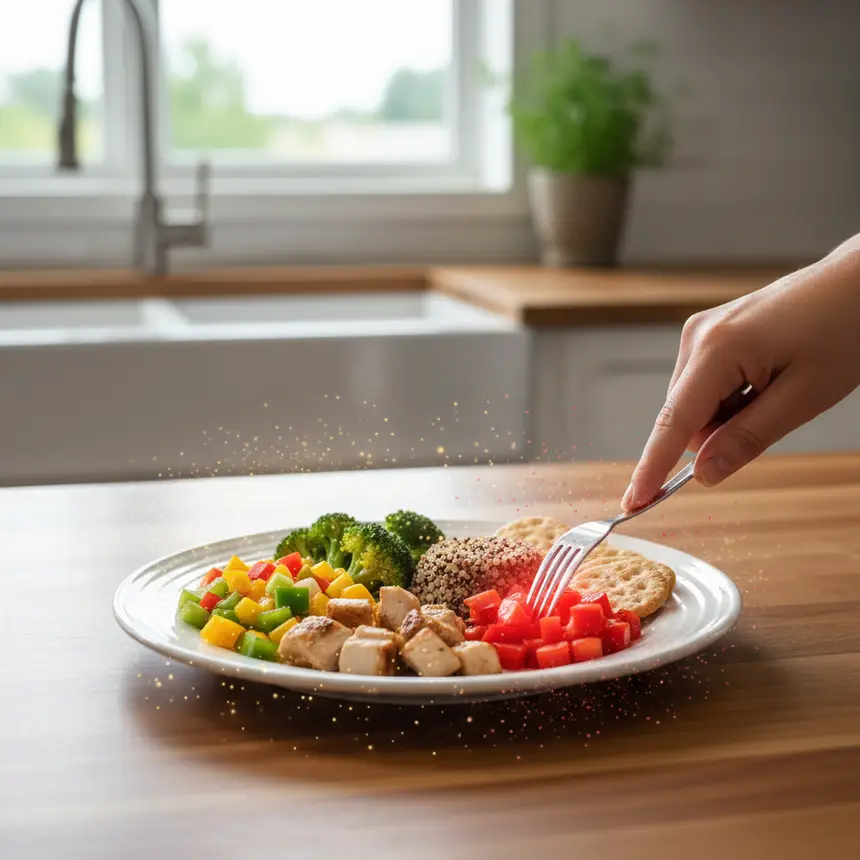
For many parents, mealtimes with a toddler can feel less like a joyful family gathering and more like a frustrating battleground. You've meticulously prepared a nutritious meal, only to have your little one turn their head away, push food out with their tongue, or even send it flying off the high chair tray. It's confusing when a child who once ate everything suddenly becomes selective, making every meal a struggle. This persistent food refusal, or 'picky eating,' can lead to significant parental stress and anxiety, especially concerning adequate nutrition for healthy growth and development. It's more than just a passing phase; it's a critical stage where eating habits are formed. Let's explore why this happens and how we can effectively support our children in developing positive eating behaviors.
Beyond Pickiness: Unraveling the Reasons Behind Toddler Food Aversion
Toddler picky eating often goes beyond simple fussiness; it's a complex behavior rooted in their developmental stage. Young children naturally experience neophobia, a fear of new foods, and can be highly sensitive to certain textures, smells, or tastes. As they grow, their desire for independence strengthens, and food refusal can become a way to assert control. For instance, a sudden rejection of meat might stem from changes in texture perception, boredom with repetitive meals, or a temporary dip in appetite linked to a growth spurt. However, ongoing selective eating can result in an imbalanced intake of essential nutrients like iron, zinc, or healthy fats, which are crucial for physical and cognitive development. Around 10 months, increased activity levels demand consistent energy and diverse nutrition. Therefore, it's vital not to dismiss these picky eating signals but to understand their underlying causes and actively work towards nutritional balance.
※ This post contains affiliate links. I may earn a commission at no extra cost to you.

Building Healthy Habits: Nutrition-Balanced Meals and Mealtime Education
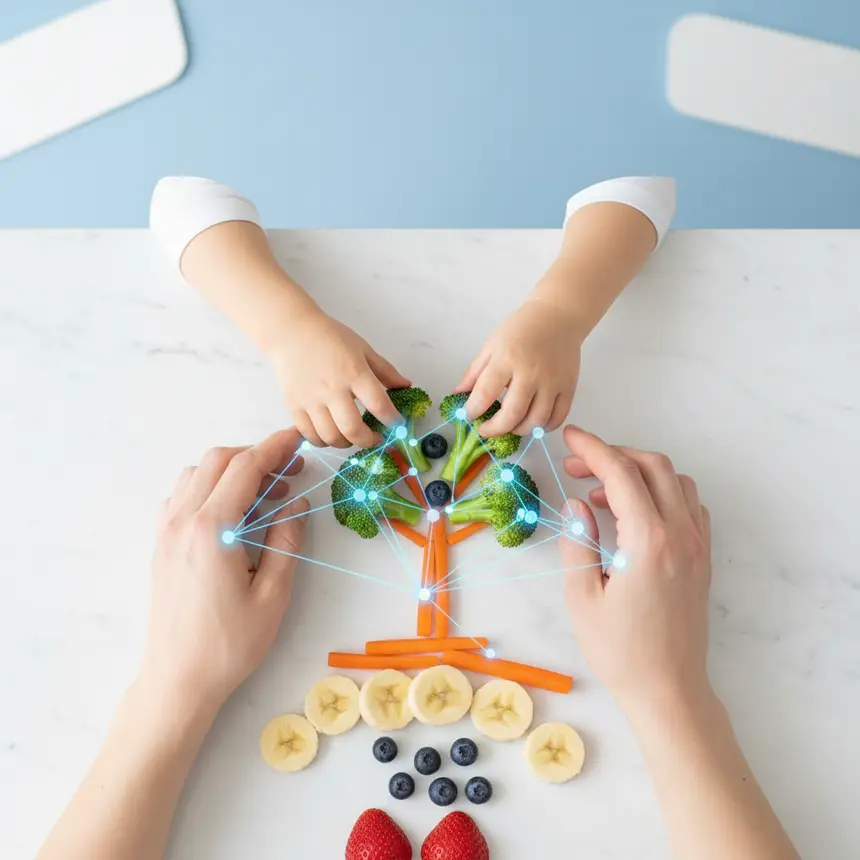
Fostering healthy eating habits and overcoming picky eating in toddlers requires a dual approach: offering nutritionally balanced meals alongside consistent mealtime education. Here are some strategies parents can implement:
- Diverse Ingredients and Cooking Methods: Continuously expose your child to a wide variety of foods, including different vegetables (like mushrooms, spinach, celery), grains (millet, black rice, barley), and healthy fats (from nuts like walnuts and almonds). Varying the texture (finely chopped, mashed, finger-sized pieces) and cooking methods (steaming, roasting) can spark their interest and acceptance.
- The Role of Nutritious Snacks: Even if your child refuses a meal, toddlers require steady energy throughout the day. Offer nutritious snacks at scheduled times, such as fruits, sweet potatoes, cheese, or homemade vegetable muffins and tofu bites. These snacks should supplement, not replace, main meals and provide essential nutrients.
- Positive and Consistent Mealtime Environment: Mealtime should be enjoyable. If a child throws food or plays with it excessively, calmly state 'no' and, if the behavior persists after a couple of reminders, remove the plate. Consistent boundaries teach children mealtime etiquette and the value of food.
Actionable Strategies for Enjoyable Toddler Meals
Creating an enjoyable mealtime experience for your toddler involves smart preparation and consistent effort. Implement these practical strategies to enrich your child's eating journey:
1. Gradual Introduction of New Foods: When introducing potential allergens like nuts, start with a very small amount and observe for any reactions. If none, gradually increase the quantity. Initially, mixing new items with foods your child already likes, such as sweet root vegetables (like pumpkin or sweet potato) can reduce resistance.
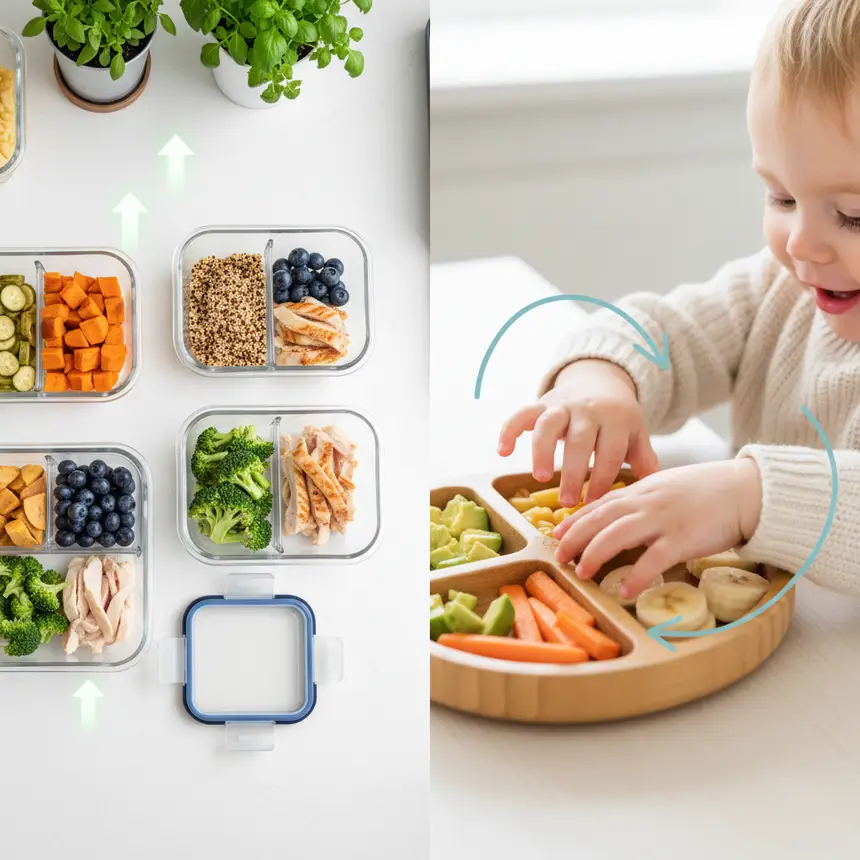
2. Efficient and Nutrient-Dense Meal Prep: Prepare staple foods in batches, like porridges or steamed vegetables. Vary flavors by adding different healthy toppings (e.g., a tiny bit of sesame oil, flaxseed, or cheese) to avoid boredom. Batch-steam and portion root vegetables (potatoes, sweet potatoes, pumpkin) for easy access to nutritious snacks or meal components.
3. Encourage Self-Feeding (Baby-Led Weaning): Offer foods in shapes and sizes that are easy for tiny hands to grasp, such as rice sticks, vegetable muffins, or small tofu steaks. This promotes fine motor skill development and allows children to explore food independently.
4. Transitioning from Bottles to Cups: It’s generally recommended to transition from bottles to cups around 12 months for oral development and hygiene. Start with water in an open cup, then introduce milk in a straw cup or a different type of cup. Encourage independent drinking to help them adapt to this important developmental milestone.
1. Gradual Introduction of New Foods: When introducing potential allergens like nuts, start with a very small amount and observe for any reactions. If none, gradually increase the quantity. Initially, mixing new items with foods your child already likes, such as sweet root vegetables (like pumpkin or sweet potato) can reduce resistance.
2. Efficient and Nutrient-Dense Meal Prep: Prepare staple foods in batches, like porridges or steamed vegetables. Vary flavors by adding different healthy toppings (e.g., a tiny bit of sesame oil, flaxseed, or cheese) to avoid boredom. Batch-steam and portion root vegetables (potatoes, sweet potatoes, pumpkin) for easy access to nutritious snacks or meal components.
3. Encourage Self-Feeding (Baby-Led Weaning): Offer foods in shapes and sizes that are easy for tiny hands to grasp, such as rice sticks, vegetable muffins, or small tofu steaks. This promotes fine motor skill development and allows children to explore food independently.
4. Transitioning from Bottles to Cups: It’s generally recommended to transition from bottles to cups around 12 months for oral development and hygiene. Start with water in an open cup, then introduce milk in a straw cup or a different type of cup. Encourage independent drinking to help them adapt to this important developmental milestone.
Nurturing Healthy Eating Habits with Parental Love and Patience
A child's journey to healthy eating is nurtured by a parent's consistent love and patience. While challenging moments of mealtime battles are inevitable, your unwavering support and understanding are powerful forces that help your child explore and accept new foods. Embrace the strategies shared today and remember to celebrate even the smallest victories with praise and encouragement. Sometimes, what seems like defiance is simply your child's way of communicating and asserting their growing independence. With persistent effort and a positive approach, your child will undoubtedly develop healthy, joyful eating habits that contribute to their overall well-being. It's perfectly fine if things aren't perfect right away. What matters most is walking this path of healthy eating together, one step at a time.
Frequently Asked Questions
Q. My toddler refuses all new foods. What should I do?
A. Introduce new foods in small quantities alongside familiar favorites. Offer repeated exposures over time without pressure, and allow your child to touch and explore the food. Maintain a positive and relaxed mealtime atmosphere.
Q. My child only wants snacks and won't eat meals. Should I continue giving snacks?
A. Snacks are important for toddlers due to their high activity levels, but they should be offered at scheduled times. Avoid snacks close to mealtime and ensure snacks are nutritious, not just empty calories. They should supplement, not replace, main meals.
Q. My child throws food and plays during meals. How should I discipline them?
A. When your child throws food or plays excessively, firmly say 'no' and, if the behavior continues after a couple of warnings, remove the plate. Establish consistent boundaries to teach them that mealtime is not playtime.
Q. We're struggling to wean our toddler from the bottle. When and how should we try?
A. It's recommended to transition from bottles to cups around 12 months. Start by offering water in an open cup, then gradually introduce milk in a straw cup or a regular cup. Encourage them to drink independently to help them adapt to this developmental change.