Concerned about those sudden red patches or bumps on your active toddler's skin? Our guide tackles the common 'heat rash' and other irritations. Learn about their causes, and discover gentle, effective ways to soothe and maintain your little one's skin health with systematic care.

Toddlers on the Move: Unpredictable Skin Rashes Appear
As your baby approaches their first birthday and beyond, you'll notice a significant surge in their activity levels. They're exploring more, moving around, and naturally, sweating more often. This energetic phase often brings an unexpected challenge for many parents: sudden skin irritations. You might be surprised to see red patches or tiny, bumpy rashes suddenly appear on your little one's cheeks or neck. Initially, you might dismiss it as just a common heat rash, but when it lingers and your baby shows discomfort, worry can quickly set in. A baby's skin is incredibly sensitive, meaning even minor irritations can cause significant distress. That's why careful observation and consistent care from parents are paramount. Let's delve into the best approaches to protect your baby's precious skin.
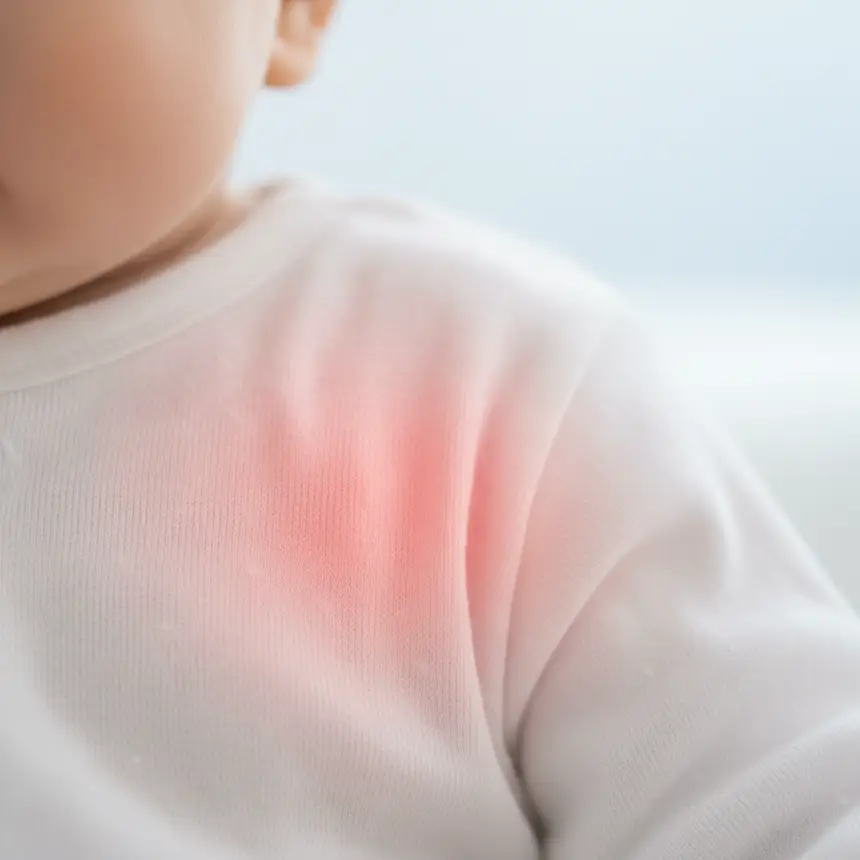
Why Does My Baby's Skin Feel Warm and Look Irritated? Understanding Sensitive Infant Skin
Several factors contribute to skin issues in toddlers. Primarily, an infant's skin is thinner than an adult's, and its protective barrier function is still developing, making it highly vulnerable to external irritants. Their sweat glands might not be fully mature, leading to inefficient sweat expulsion, and areas prone to friction can easily become irritated. Here are some key reasons:
- Immature Skin Barrier: The skin's ability to protect against harmful external substances and prevent moisture loss is not yet fully developed.
- Environmental Factors: Both hot, humid conditions and overly dry indoor environments can directly impact skin health. These issues are often more pronounced during hot summer months when sweating increases, or during transitional seasons when consistent moisturizing might be overlooked.
- Physical Irritants: Friction from clothing, bedding, or even drooling during teething can easily lead to redness and bumpy textures on the skin.
- Allergic Reactions: Although less common, skin rashes can sometimes be an allergic reaction to certain foods or materials the baby comes into contact with.
※ This post contains affiliate links. I may earn a commission at no extra cost to you.

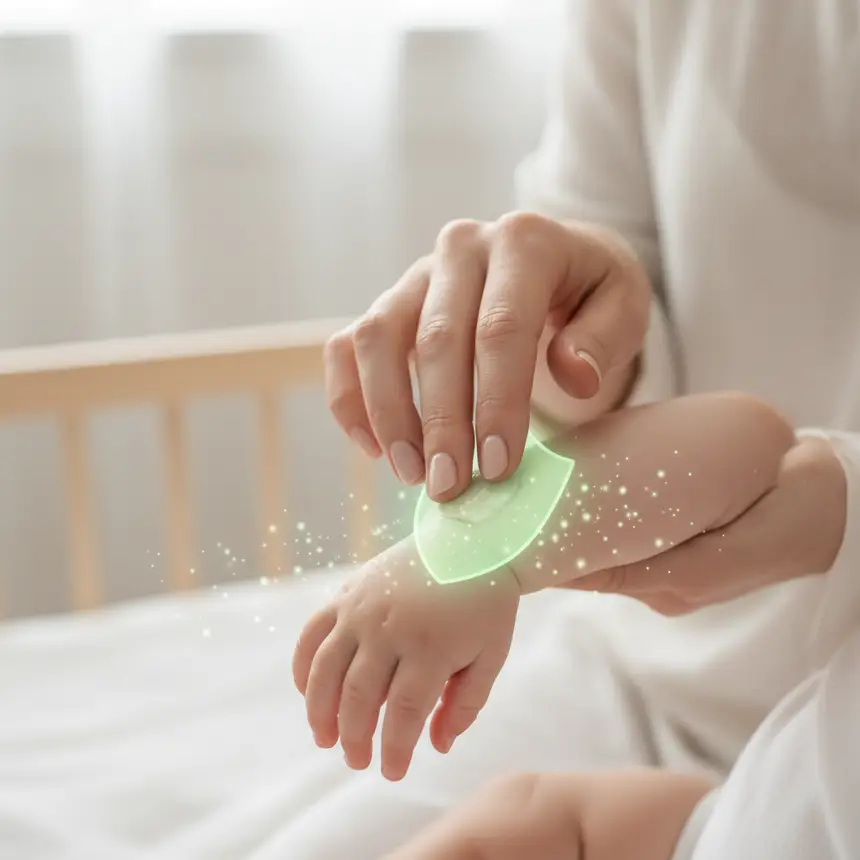
Step-by-Step Solutions for Soothing and Moisturizing Irritated Baby Skin
To effectively manage sensitive baby skin and keep it healthy, a systematic and consistent routine is essential. Follow these steps to gently care for your child's skin:
1. Gentle and Thoughtful Cleansing: Keep bath time short, around 10 minutes, using lukewarm water. Choose a mild, non-irritating cleanser specifically designed for babies. Create a rich lather with your hands and gently wash your baby's skin, paying extra attention to areas prone to sweating or creases, like the neck. After the bath, pat the skin completely dry with a soft towel, avoiding any rubbing.
2. Immediate Skin Soothing: After bathing, or whenever your baby's skin feels warm, apply a lightweight, hydrating product to soothe the skin. These types of products help regulate skin temperature and quickly deliver moisture, which can reduce itchiness caused by dryness. Opt for formulas that can be safely used on delicate areas like the face and neck.
3. Establishing a Robust Moisture Barrier: Following the soothing step, apply a generous amount of moisturizing cream to strengthen the skin barrier. Select a cream that is rich in hydration but not overly heavy, creating a protective layer on the skin. Warm a small amount in your palms and gently spread it, allowing it to absorb well. For bedtime, apply a slightly thicker layer to ensure deep moisturization throughout the night.
4. Lifestyle Adjustments: Keep your baby's fingernails trimmed short to prevent scratching that can further irritate the skin. Dress them in loose-fitting, breathable cotton clothing. Maintain an indoor temperature between 72-75°F (22-24°C) and humidity levels between 50-60%. When washing baby clothes, use a gentle, fragrance-free baby detergent and ensure thorough rinsing to prevent any residue from lingering.
1. Gentle and Thoughtful Cleansing: Keep bath time short, around 10 minutes, using lukewarm water. Choose a mild, non-irritating cleanser specifically designed for babies. Create a rich lather with your hands and gently wash your baby's skin, paying extra attention to areas prone to sweating or creases, like the neck. After the bath, pat the skin completely dry with a soft towel, avoiding any rubbing.
2. Immediate Skin Soothing: After bathing, or whenever your baby's skin feels warm, apply a lightweight, hydrating product to soothe the skin. These types of products help regulate skin temperature and quickly deliver moisture, which can reduce itchiness caused by dryness. Opt for formulas that can be safely used on delicate areas like the face and neck.
3. Establishing a Robust Moisture Barrier: Following the soothing step, apply a generous amount of moisturizing cream to strengthen the skin barrier. Select a cream that is rich in hydration but not overly heavy, creating a protective layer on the skin. Warm a small amount in your palms and gently spread it, allowing it to absorb well. For bedtime, apply a slightly thicker layer to ensure deep moisturization throughout the night.
4. Lifestyle Adjustments: Keep your baby's fingernails trimmed short to prevent scratching that can further irritate the skin. Dress them in loose-fitting, breathable cotton clothing. Maintain an indoor temperature between 72-75°F (22-24°C) and humidity levels between 50-60%. When washing baby clothes, use a gentle, fragrance-free baby detergent and ensure thorough rinsing to prevent any residue from lingering.
Consistency Creates Change: The Parent's Role in Healthy Baby Skin
Caring for a baby's skin is a process where consistency triumphs over seeking immediate results. Even if you don't see dramatic changes in the first few days, maintaining the same daily routine with patience is key. With consistent care, you'll notice your child scratching less, appearing more comfortable, and the redness gradually fading as their skin texture becomes smoother and softer. These are positive signs that your baby's skin is recovering from irritation and feeling more at ease.
It's easy for parents to feel guilty or question their care methods when their child develops skin troubles. However, it's important to remember that a baby's skin goes through various changes as they grow, and these are natural occurrences. The crucial thing is to provide continuous, consistent care without overwhelming their delicate skin. As seasons change or your child's overall health fluctuates, their skin might become sensitive again. Therefore, ongoing vigilance and effort are essential parental roles in maintaining healthy skin for your little one.
It's easy for parents to feel guilty or question their care methods when their child develops skin troubles. However, it's important to remember that a baby's skin goes through various changes as they grow, and these are natural occurrences. The crucial thing is to provide continuous, consistent care without overwhelming their delicate skin. As seasons change or your child's overall health fluctuates, their skin might become sensitive again. Therefore, ongoing vigilance and effort are essential parental roles in maintaining healthy skin for your little one.
Frequently Asked Questions
Q. Should I see a doctor immediately if my baby develops a skin rash?
A. Most mild skin irritations can improve with gentle cleansing and moisturizing at home. However, if the rash worsens, causes severe itching that disrupts sleep, or is accompanied by other symptoms like fever, it's best to consult a pediatrician.
Q. What should I look for when choosing baby skincare products?
A. Since baby skin is sensitive, it's safest to choose products that are fragrance-free, dye-free, and dermatologically tested for irritation. Look for ingredients that support the skin barrier (e.g., ceramides) and select textures that suit your baby's skin type and the current season.
Q. What environmental factors can negatively affect my baby's skin?
A. Environments that are too hot or humid can easily trigger heat rashes, while dry conditions can lead to dehydrated skin and worsen itchiness. Residues from fabric softeners and even airborne pollutants can also irritate the skin, so it's important to be mindful of these.
Q. What should I do if my baby keeps scratching their skin?
A. Scratching can further damage the skin, so keep your baby's nails trimmed short and consider having them wear soft cotton mittens to minimize physical irritation. Alleviating the itch through proper skin soothing and moisturizing is key.