Understand key growth and developmental milestones for 6-year-olds and discover essential tips for maintaining their dental health. A comprehensive guide for parents nurturing active, healthy children.

The Rewarding Journey of Tracking Your Child's Development
Witnessing a child's growth is a source of immense joy and wonder for parents. Observing and documenting the small, daily transformations goes beyond mere numbers; it becomes a precious experience of understanding and supporting your child's unique developmental path. Especially for 6-year-olds, this period marks a significant surge in physical, cognitive, and social growth. Consistently recording changes in height, weight, dental health, language acquisition, and motor skills lays a crucial foundation for their healthy development.
Regular growth records help you grasp your child's developmental patterns. For instance, you might notice a sudden growth spurt in height, significant weight changes, or a rapid increase in language expression during specific periods. These records not only serve as indicators of your child's overall health but also provide valuable information when consulting with professionals if needed. Simply by measuring height and weight at home and noting them on a calendar, you can effectively manage your child's growth history.
Regular growth records help you grasp your child's developmental patterns. For instance, you might notice a sudden growth spurt in height, significant weight changes, or a rapid increase in language expression during specific periods. These records not only serve as indicators of your child's overall health but also provide valuable information when consulting with professionals if needed. Simply by measuring height and weight at home and noting them on a calendar, you can effectively manage your child's growth history.
Essential Practices for Healthy Growth and Dental Care
Monitoring Physical Growth and Understanding Milestones
While there's significant individual variation in the development of 6-year-olds, regular measurements are vital for understanding your child's health. Measure your child's height and weight every two to three months at home and compare these figures with standard growth charts provided by your pediatrician. This process helps confirm if your child is following a typical growth trajectory. If your child's height or weight suddenly deviates significantly from the standard range, or if their growth rate noticeably slows, it's important to consult with a pediatrician to identify potential causes. A balanced diet, adequate sleep, and regular physical activity are the three cornerstones of healthy development.
Building Strong Smiles: Proactive Dental Health Habits
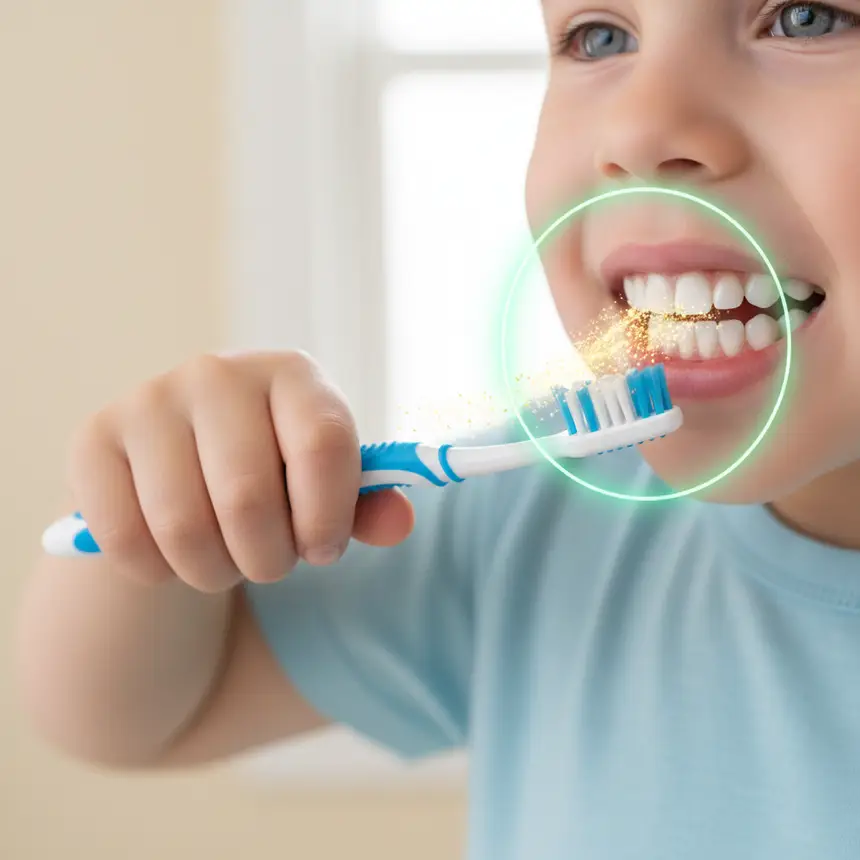
The age of 6 is a critical time for dental care as primary teeth begin to fall out and permanent teeth emerge. To prevent cavities, ensure these three habits are consistently practiced:
While there's significant individual variation in the development of 6-year-olds, regular measurements are vital for understanding your child's health. Measure your child's height and weight every two to three months at home and compare these figures with standard growth charts provided by your pediatrician. This process helps confirm if your child is following a typical growth trajectory. If your child's height or weight suddenly deviates significantly from the standard range, or if their growth rate noticeably slows, it's important to consult with a pediatrician to identify potential causes. A balanced diet, adequate sleep, and regular physical activity are the three cornerstones of healthy development.
Building Strong Smiles: Proactive Dental Health Habits
The age of 6 is a critical time for dental care as primary teeth begin to fall out and permanent teeth emerge. To prevent cavities, ensure these three habits are consistently practiced:
- 1. Consistent Brushing Routine: Guide your child to brush their teeth thoroughly at least twice a day, especially before bedtime, under your supervision. Using a children's fluoride toothpaste is recommended.
- 2. Regular Dental Check-ups and Fluoride Application: Schedule dental visits every six months for routine check-ups. If necessary, professional fluoride applications can strengthen tooth enamel, increasing its resistance to decay. This is an effective way to significantly reduce the incidence of cavities.
- 3. Mindful Eating Habits: Reduce the consumption of sugary snacks and beverages, and encourage rinsing the mouth with water after meals. Cavities in primary teeth can affect the health of emerging permanent teeth, so it's crucial to detect and address any issues early. Your pediatric dentist can offer tailored advice for your child's specific dental needs.
※ This post contains affiliate links. I may earn a commission at no extra cost to you.


Nurturing Your 6-Year-Old's Unique Development
At 6 years old, children are not just growing physically; they are also making significant strides across cognitive, language, social, and emotional domains. Children at this age often display a robust curiosity about the world, asking numerous questions and enjoying exploration of their surroundings.
Parents play a vital role in discovering and supporting their child's interests and potential. Encourage them when they try new things, explore their curiosities together, and provide opportunities for free activity in a safe environment. Sufficient rest and balanced nutrition are also indispensable for their active development.
- Cognitive Development: Their interest in numbers grows, leading to attempts at simple addition and subtraction, an eagerness to learn time-telling, and an emerging fascination with letters. Logical thinking begins to develop, making engagement in problem-solving games highly beneficial.
- Language Development: Sentence structures become more complex, vocabulary expands, and they can express their thoughts and feelings more clearly. Storytelling and reading aloud are excellent ways to foster language development.
- Physical Development: Both gross and fine motor skills improve, allowing for more refined movements. Encouraging active play like soccer or bike riding is crucial for developing physical balance and motor coordination. Children at this stage also become more adept at social interactions, learning rules and cooperation through play with friends.
Parents play a vital role in discovering and supporting their child's interests and potential. Encourage them when they try new things, explore their curiosities together, and provide opportunities for free activity in a safe environment. Sufficient rest and balanced nutrition are also indispensable for their active development.
Frequently Asked Questions
Q. What are the typical height and weight ranges for a 6-year-old?
A. While there are general growth charts that indicate typical ranges for 6-year-olds, individual growth varies significantly. It's more important to observe your child's consistent growth pattern over time rather than focusing on a single average number. Your pediatrician can provide the most accurate assessment using specific growth curves for your child.
Q. What can I do at home to prevent cavities in my child?
A. Effective cavity prevention starts with good oral hygiene habits at home. Ensure your child brushes their teeth thoroughly at least twice a day, especially before bedtime, using a fluoride toothpaste. Limit sugary snacks and drinks, and encourage rinsing with water after meals. Regular visits to a pediatric dentist for check-ups and professional fluoride treatments are also crucial.
Q. What should I do if I notice my child is behind on certain developmental milestones compared to peers?
A. It's common for children to develop at their own pace, and slight variations are normal. However, if you have persistent concerns about your child's language, cognitive, or physical development, it's always best to consult with your pediatrician or a developmental specialist. Early intervention and support can make a significant difference.