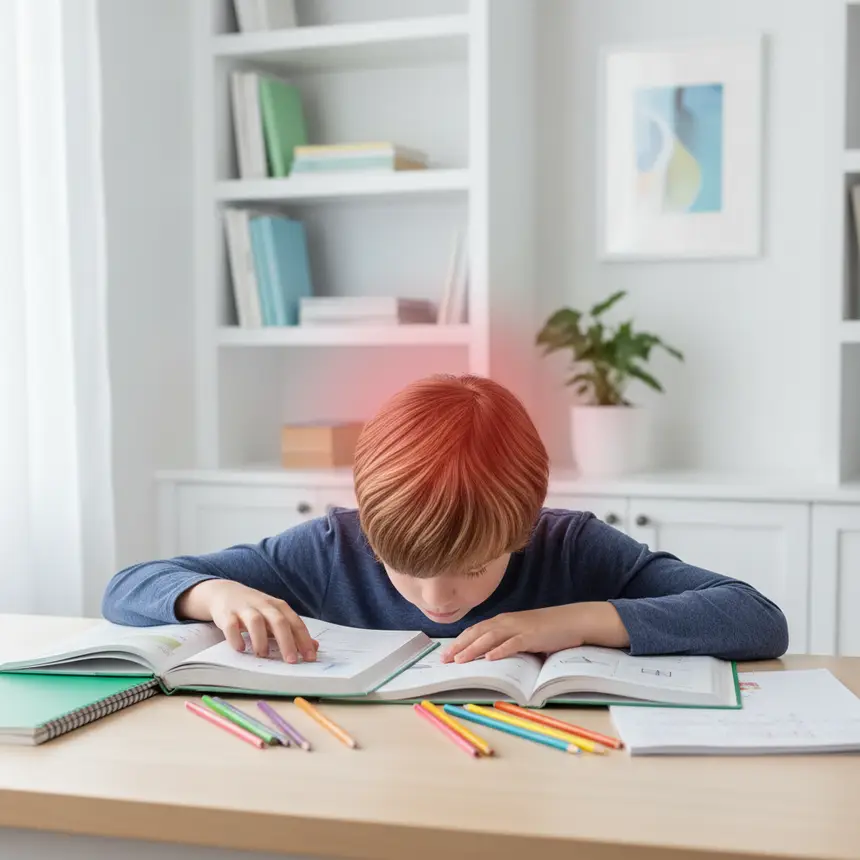
Struggling with your child's separation anxiety and daycare refusal? Discover effective strategies to support your child's emotional well-being and foster a smooth transition to new environments.

Is Your Little One a 'Shadow Child'? Unraveling Separation Anxiety
Many parents find themselves constantly shadowed by their children, who insist on staying close at all times. This clinginess often intensifies during drop-offs at daycare or preschool, leading to tearful goodbyes and outright refusal to attend. These behaviors are primarily linked to what developmental experts call "separation anxiety." Child separation anxiety is the distress and fear a child experiences when anticipating or undergoing separation from their primary caregiver. It's a normal part of early development, typically emerging around six months of age and often peaking before a child's second birthday. Young children naturally rely on their parents for comfort and safety. When their familiar caregiver disappears from sight, it can trigger a profound sense of insecurity. While challenging for parents, this strong attachment is actually a positive sign of a healthy bond. However, when this anxiety becomes overwhelming, it can manifest as daycare refusal, requiring thoughtful and supportive parental intervention.

What's Behind the Tears? Exploring the Causes of Separation Anxiety
A child's persistent need for a parent's presence – often described as being a "shadow child" – stems from various developmental and situational factors. At its core is the natural progression of separation anxiety, a phase where children learn about object permanence and develop a deep emotional bond with their caregivers. This dependency, crucial for their sense of security, can trigger distress when threatened. When children feel insecure or frightened, they instinctively cling to their parents, seeking physical contact and soothing words for safety. Unexpected departures, where a parent leaves without warning or a child is abruptly placed in an unfamiliar environment, can be deeply unsettling and a significant contributor to heightened anxiety, leading to a strong aversion to new settings like daycare. In households with multiple children, an older child might exhibit increased clinginess due to a perceived threat to their parent's attention from a younger sibling. Understanding these underlying causes helps parents move beyond simply viewing it as defiance, allowing for a more empathetic and effective approach.
※ This post contains affiliate links. I may earn a commission at no extra cost to you.


Gentle Goodbyes: Effective Strategies for Managing Separations
Helping your child navigate separation anxiety and daycare refusal requires consistent effort and a supportive approach. The goal is to build a strong foundation of trust and security. First, avoid sneaking out; always inform your child when you're leaving, even briefly, and promise to return. Second, gradually increase separation time, starting with 5, 10, or 15 minutes, allowing your child to experience successful short separations. Third, offer frequent eye contact and physical affection throughout the day to strengthen your bond and provide emotional reassurance. Fourth, when dropping off at daycare, use clear, positive language like "Mommy is going to work, and you'll play with friends," and state a specific pick-up time, like "Mommy will be back at 3 o'clock," always keeping your promise. Finally, make your return a joyful occasion with enthusiastic greetings and hugs, making reunions a positive experience.

Empowering Independence: Daily Practices for Resilient Children
Overcoming child separation anxiety isn't an overnight process; it requires ongoing patience and intentional strategies to build independence and self-assurance. Incorporate these tips into daily life: Play-based separation practice, like peek-a-boo, teaches children that you always return, reducing anxiety. Establish predictable daily routines to provide a sense of security, maintaining consistent daycare drop-off times. Encourage independent play and offer praise when your child engages in solitary activities, building self-confidence and autonomy. Create a special, positive goodbye ritual for daycare, such as a unique handshake or phrase, to make transitions smoother. Crucially, manage your own emotions; children are highly attuned to parents' feelings. Maintaining a calm, confident, and loving demeanor provides a strong anchor for your child.

Nurturing Growth with Consistent Love and Patience
A child's separation anxiety and resistance to new environments are not signs of defiance, but rather a natural testament to a strong parent-child bond and a crucial phase of emotional growth. Navigating this period successfully hinges on a parent's unwavering love, understanding, and patience. It's essential to listen to your child's unspoken fears and acknowledge their feelings. Celebrate every small step towards independence with genuine praise and encouragement, reinforcing their confidence to explore the world beyond your immediate presence. Consistency in your parenting approach is key; provide a predictable and secure environment. Facilitate gradual adjustments rather than abrupt changes, and consistently create positive experiences around both goodbyes and reunions. Remember, every child develops at their own unique pace. Avoid comparing your child to others and instead, respect their individual developmental timeline. Your role is to be a steadfast supporter, offering a secure base from which they can venture out. By implementing these strategies consistently, your child will not only learn to cope with temporary separations but will also embrace new experiences with enthusiasm, growing more capable and resilient with each passing day.
Frequently Asked Questions
Q. My child is crying intensely and clinging; should I pick them up again?
A. While it's natural to want to comfort a crying child, immediately picking them up after you've said goodbye might inadvertently reinforce the idea that crying will prevent separation. Instead, offer verbal reassurance in a calm, loving tone and a gentle touch. If you've already completed your farewell ritual, it's generally more beneficial for the child's long-term adjustment to proceed with the separation, ensuring you follow through on your promise to return.
Q. My child has severe separation anxiety; should I delay sending them to daycare?
A. Not necessarily. The crucial factor is to consider your child's temperament and developmental stage, and to actively support their adaptation to the new environment. Gradual introduction to daycare, starting with shorter visits, can be very effective. Consulting with a childcare specialist or a developmental expert can also help determine the best approach for your specific child.
Q. What if only one of my children, out of siblings, shows strong separation anxiety?
A. This could stem from sibling rivalry or a need for individual attention. Dedicate special one-on-one time to that child, engaging in activities they enjoy. It's important to reassure them of your individual love and attention. Additionally, ensure you express affection equally to all siblings and encourage positive interactions and appreciation among them.