Worried about your child's frequent colds during seasonal changes? Discover effective health management strategies. Build your child's strong defenses through balanced nutrition, active living, and consistent healthy habits.

Why Does My Child Get Sick So Often? Addressing Seasonal Health Concerns
Every parent has likely faced this challenge, especially during seasonal transitions or when their child starts daycare or preschool. The recurring sniffles, coughs, and low-grade fevers, or the sight of a child easily exhausted after mild activity, can be truly disheartening. While it's easy to hope they'll "grow out of it," each illness deepens our worries about our children's well-being. This often leads to feelings of guilt about not having proactively supported their health, and the pressing question: "How can I truly strengthen my child's resilience?" Focusing on recovery after an illness is important, but building a strong foundation for their health through daily habits is a far more effective and proactive approach.
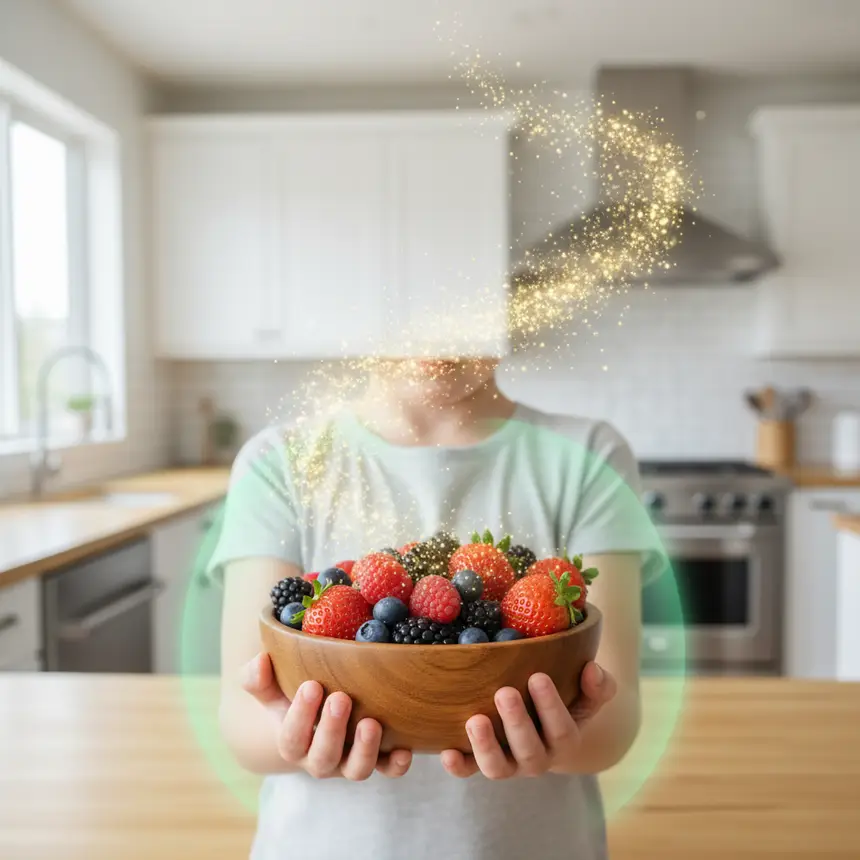
Building a Robust Foundation for Children's Health: Nutrition, Activity, and Consistent Habits
A child's health thrives on a balanced interplay of various factors. During growth, increased activity and environmental exposure demand meticulous care.
Strengthening Internal Defenses Through Diverse Nutrients
Balanced nutrition forms the bedrock of a child's health. Colorful fruits and vegetables, especially those rich in phytochemicals, are key. Berries, with their abundant anthocyanins, notably support cellular health. Consistently offer diverse berries (blueberries, raspberries, aronia, grapes) and colorful vegetables for broad nutrient intake. Essential micronutrients like zinc and vitamin C are also vital for defense. Primarily, these should come from a well-rounded diet.
The Importance of Active Living and Adequate Rest
Regular physical activity significantly impacts growth and health. Outdoor play aids vitamin D synthesis and promotes sound sleep. Sufficient sleep is crucial for recovery and energy. Lack of sleep causes fatigue, so a consistent sleep routine is essential.
Building a Daily Health Routine
For consistent healthy habits, "enjoyment" and "convenience" are paramount. Avoid anything that feels like medicine; instead, make health fun and tasty, like a special treat. Family participation in health routines has a strong positive impact. Establish consistent family health times—perhaps a healthy drink after breakfast or brief stretches after dinner. This helps children naturally adopt habits, reduces parental burden, and improves consistency.
Strengthening Internal Defenses Through Diverse Nutrients
Balanced nutrition forms the bedrock of a child's health. Colorful fruits and vegetables, especially those rich in phytochemicals, are key. Berries, with their abundant anthocyanins, notably support cellular health. Consistently offer diverse berries (blueberries, raspberries, aronia, grapes) and colorful vegetables for broad nutrient intake. Essential micronutrients like zinc and vitamin C are also vital for defense. Primarily, these should come from a well-rounded diet.
The Importance of Active Living and Adequate Rest
Regular physical activity significantly impacts growth and health. Outdoor play aids vitamin D synthesis and promotes sound sleep. Sufficient sleep is crucial for recovery and energy. Lack of sleep causes fatigue, so a consistent sleep routine is essential.
Building a Daily Health Routine
For consistent healthy habits, "enjoyment" and "convenience" are paramount. Avoid anything that feels like medicine; instead, make health fun and tasty, like a special treat. Family participation in health routines has a strong positive impact. Establish consistent family health times—perhaps a healthy drink after breakfast or brief stretches after dinner. This helps children naturally adopt habits, reduces parental burden, and improves consistency.
※ This post contains affiliate links. I may earn a commission at no extra cost to you.


Sustained Health Through Consistency: A Journey for Parents and Children Alike
The journey toward a child's optimal health is a marathon, not a sprint. Instead of relying on singular efforts or specific methods, cultivating healthy, consistent daily habits is paramount.
Key Healthy Habits Summary
Important Considerations for Ongoing Management
Always consider your child's unique characteristics and health status. When considering new nutritional support, seeking professional advice is wise. If symptoms persist or worsen, appropriate medical help is essential. Home efforts build a health foundation, but they don't replace professional diagnosis or advice. Approach this journey without haste. Building healthy habits at your child's pace will be a meaningful experience for both of you, with your consistent care forming their strong health foundation.
Key Healthy Habits Summary
- Diverse Colorful Foods: Actively include antioxidant-rich fruits and vegetables, like berries, for a broad spectrum of nutrients.
- Ample Activity and Rest: Ensure daily outdoor play and consistent sleep to allow for full recovery.
- Enjoyable Health Routines: Make health habits fun and appealing. Involve the whole family to foster a positive environment and natural adoption.
Important Considerations for Ongoing Management
Always consider your child's unique characteristics and health status. When considering new nutritional support, seeking professional advice is wise. If symptoms persist or worsen, appropriate medical help is essential. Home efforts build a health foundation, but they don't replace professional diagnosis or advice. Approach this journey without haste. Building healthy habits at your child's pace will be a meaningful experience for both of you, with your consistent care forming their strong health foundation.
Frequently Asked Questions
Q. What are the most important nutrients for a child's health?
A. While various vitamins and minerals are essential for children's health, Vitamin C, Zinc, and antioxidants like anthocyanins found abundantly in berries are frequently highlighted. These contribute to immune system function and cell protection.
Q. Do you have any special tips for managing children's health during seasonal changes?
A. During seasonal transitions, it's good to adjust clothing layers for temperature fluctuations and maintain appropriate indoor humidity. Also, emphasize good personal hygiene, like handwashing, and ensure they consume plenty of seasonal fruits and vegetables known to support immunity.
Q. What if my child doesn't eat healthy foods well?
A. If your child refuses specific foods, instead of forcing them, you can try different cooking methods or mix small amounts into other foods they enjoy. Offering healthy ingredients in fun snack forms can also make it more appealing.
Q. My child seems to have low activity levels. What activities would be helpful?
A. Aim for at least 30 minutes of outdoor activity daily, suitable for your child's age and developmental stage. Time spent playing outdoors in sunlight helps with Vitamin D synthesis. Explore activities your child finds engaging, such as jumping rope, cycling, or playing with a ball.
Q. What are the benefits of establishing a family health routine together?
A. Creating a family health routine provides a positive role model for children and motivates them to consistently maintain healthy habits. It also strengthens family bonds through shared time and can alleviate the burden of individual health management for parents.